This children’s article, World Oceans Day: Why Earth’s oceans are so important, has been written for native English speakers and learners of English as a second or foreign language. It can help children practise reading and comprehension, learn useful vocabulary, and discover why oceans are important for people, animals, and our planet. Written by Sinead O’Carroll, an experienced teacher and writer for young readers interested in nature, marine life, conservation, and World Oceans Day.
World Oceans Day: Why Earth’s oceans are so important
Have you ever stood beside the sea and wondered what might be hidden beneath the waves?
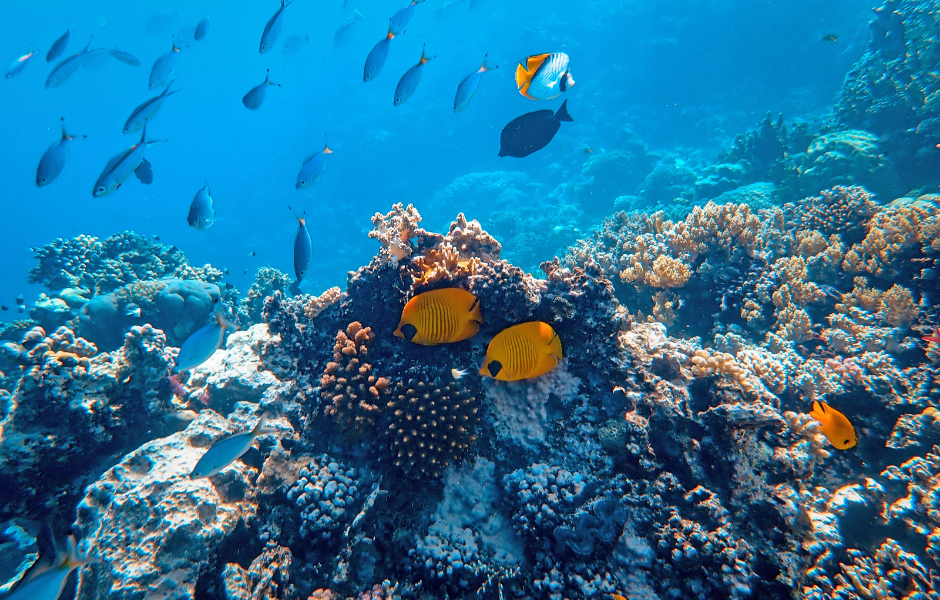
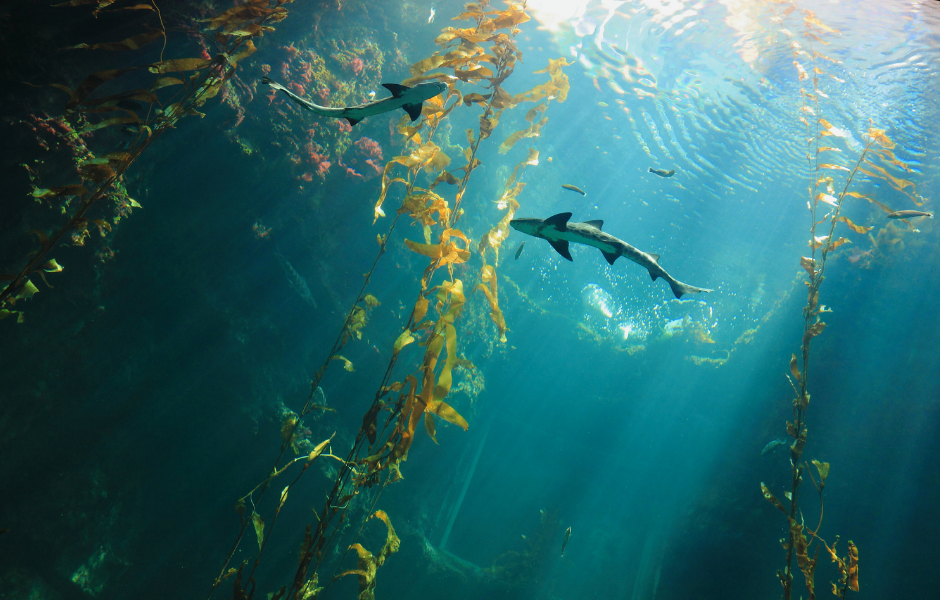
Far below the surface, shoals of fish dart through the water, sea turtles glide past coral reefs, and giant whales travel across vast oceans. Some creatures are so unusual that they look as though they belong in a science-fiction story.
On 8 June, people around the world celebrate World Oceans Day. This special day encourages people to learn more about Earth’s oceans and the amazing life they support.
A planet covered in water
Earth is often called the Blue Planet, and it is easy to see why. More than 70% of our planet is covered by water.
If astronauts look back at Earth from space, they see huge blue oceans covering much of the globe. These oceans are all connected and form the largest habitat on our planet.
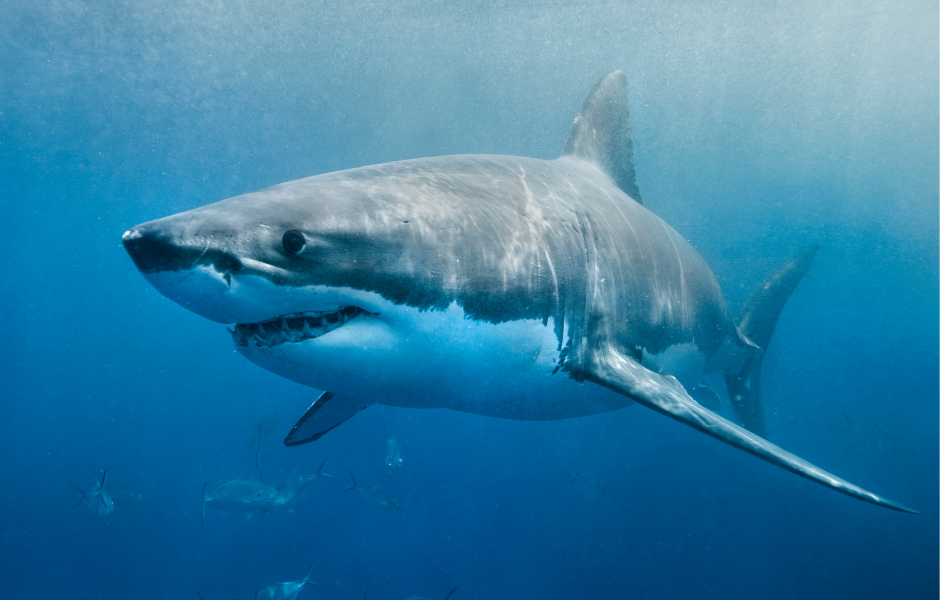
Millions of species live in ocean waters. Some are tiny creatures called plankton, which drift with the currents. Others are enormous, like the blue whale, which is the largest animal ever known to have lived on Earth.
Mysteries beneath the waves
Scientists have explored many parts of the ocean, yet much of the deep sea remains a mystery.
The deepest parts of the ocean are dark, cold, and difficult to reach. Special submarines and research equipment are often needed to explore them.
New discoveries are made every year. Scientists have found unusual creatures such as transparent fish, glowing animals, and species that survive in places where almost no sunlight reaches.
Nobody knows exactly what future explorers might discover. Hidden deep beneath the waves, there could still be many creatures waiting to be found.
Why oceans matter
Oceans are important for much more than swimming, fishing, and holidays.
They help regulate Earth’s climate and play a major role in the water cycle. Oceans also help produce much of the oxygen that living things need to survive.
Many people rely on oceans for food and jobs. Ships carry products across the world every day, helping countries trade with one another.
Healthy oceans help support healthy communities.
Celebrating World Oceans Day
World Oceans Day reminds people that oceans are one of Earth’s greatest treasures. Schools, charities, scientists, and community groups often organise activities to help people learn more about marine life and ocean conservation.
Some communities hold beach clean-ups. Others organise educational events, exhibitions, and talks about protecting marine habitats.
The day is also a chance to celebrate the beauty, mystery, and importance of the oceans that connect our world.
If you want to learn even more, you can read about it here: World Oceans Day – the United Nations website.
Article vocabulary list
- Habitat: The natural home of a plant or animal.
- Species: A group of living things that are similar to one another.
- Plankton: Tiny organisms that drift in water.
- Currents: Large movements of water in the ocean.
- Explore: To travel through or investigate a place to learn more about it.
- Regulate: To control or keep something balanced.
- Climate: The usual weather conditions in a place over a long period.
- Conservation: The protection of nature and wildlife.
- Marine: Connected to the sea or ocean.
- Exhibition: A public display that teaches people about a subject.
Comprehension questions
Just click the plus (+) to see the answer
1. When is World Oceans Day celebrated?
a) 8 May
b) 8 June
c) 18 June
Answer: b) 8 June
2. About how much of Earth’s surface is covered by water?
a) More than 70%
b) About 50%
c) About 20%
Answer: a) More than 70%
3. What is the largest animal ever known to have lived on Earth?
a) Great white shark
b) Giant squid
c) Blue whale
Answer: a) It is dark, cold, and difficult to explore
4. Why is much of the deep ocean still a mystery?
a) It is dark, cold, and difficult to explore
b) There are no animals there
c) People are not interested in it
Answer: a) It is dark, cold, and difficult to explore
5. What do oceans help regulate?
a) Earth’s climate
b) Volcanoes
c) Earth’s gravity
Answer: a) Earth’s climate
6. Why do people celebrate World Oceans Day?
a) To celebrate mountains
b) To learn about and protect oceans
c) To celebrate winter
Answer: b) To learn about and protect oceans

Sinead is a writer and EFL teacher with eight years’ experience. She’s a native English speaker who loves making news stories fun and easy to understand for children around the world. Her passions include travel, animals, and helping to make the world a kinder, more sustainable place.