This children’s article, Heatwaves explained for kids: Why the world is getting hotter, has been written for native English speakers and learners of English as a second or foreign language. It can help children practise reading and comprehension skills, learn useful vocabulary, and discover why heatwaves occur and how people can stay safe. Written by Mark Pulley, a teacher and writer who creates fun and informative news articles for English learners.
What is a heatwave?
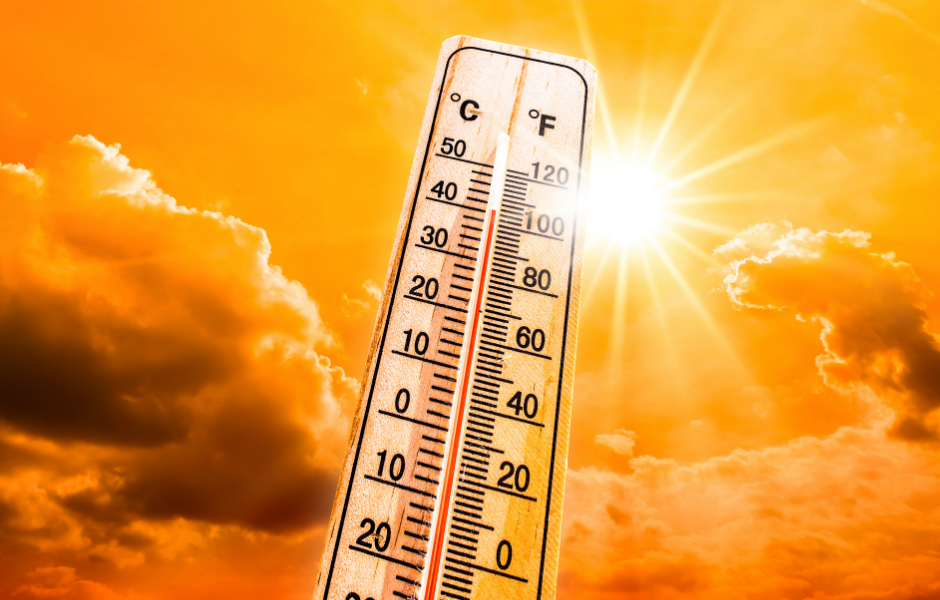
A heatwave is a long period of unusually hot weather. There is no single temperature that counts as a heatwave because different countries have different climates. A heatwave in the United Kingdom, for example, would be much cooler than one in Australia.
Heatwaves usually last for several days, but some can continue for weeks. During this time, both daytime and nighttime temperatures stay much higher than normal. Without cooler nights, people, animals and plants do not get much chance to recover from the heat.
Scientists have always known that heatwaves are a natural part of Earth’s weather. However, many parts of the world are now experiencing hotter and longer heatwaves than in the past.
Why can heatwaves be dangerous?
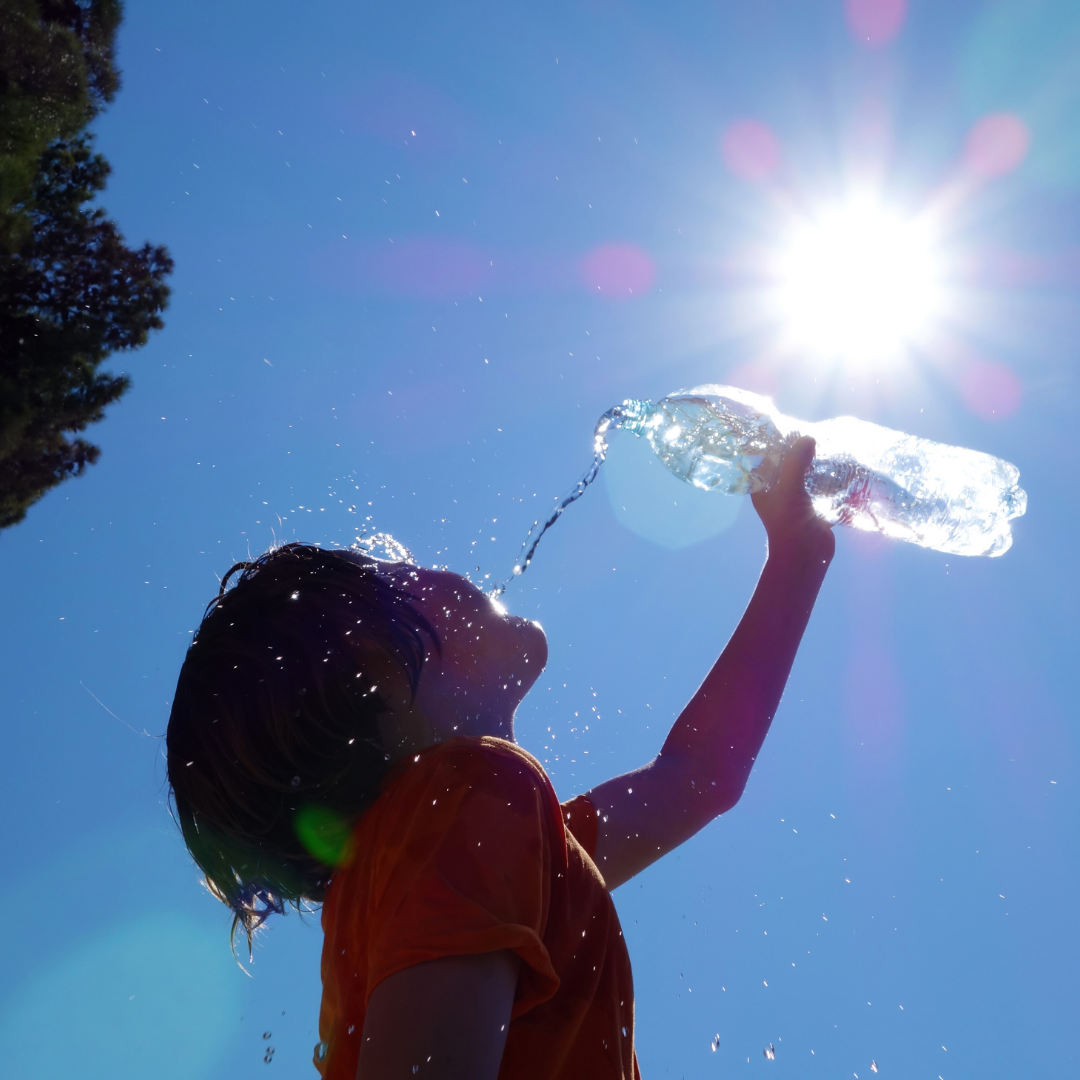
Hot weather can be fun, but too much heat can become dangerous. People who spend too long in the sun or do not drink enough water can become dehydrated. In very serious cases, they can suffer from heat exhaustion or heatstroke, which needs urgent medical help.
Heatwaves can also affect animals and nature. Rivers and lakes may shrink, crops can struggle to grow, and wildfires become much more likely when plants and forests are dry. Cities often become even hotter because roads and buildings trap the heat.
Why are heatwaves becoming more common?
Scientists believe climate change is making heatwaves more frequent and more intense. As greenhouse gases warm Earth’s atmosphere, average temperatures slowly rise. This makes it easier for extremely hot weather to develop.
Another reason scientists are watching carefully is the possible arrival of El Niño later in 2026. El Niño is a natural weather pattern that begins in the Pacific Ocean. It can add extra warmth to the planet for several months, making some heatwaves even hotter than they might otherwise have been.
Not every hot summer is caused by El Niño, but when El Niño and climate change happen together, the effects can be even stronger in some parts of the world.
How can we prepare for future heatwaves?
Although people cannot stop a heatwave once it has started, scientists can often predict when one is likely to happen. Weather forecasts give families, schools and emergency services time to prepare.
Communities are also planting more trees, creating shady parks and designing buildings that stay cooler in hot weather. Scientists are working to understand heatwaves better so countries can protect people and wildlife in the future.
Learning about heatwaves helps us understand how our amazing planet works. By listening to weather warnings and taking simple precautions, everyone can stay safer as temperatures rise.
Article vocabulary list
- Heatwave: A long period of unusually hot weather.
- Dehydrated: When your body loses too much water.
- Heatstroke: A serious illness caused by the body becoming dangerously hot.
- Wildfire: A large fire that spreads through forests or grasslands.
- Climate change: Long-term changes in Earth’s climate and weather patterns.
- Atmosphere: The layer of gases surrounding Earth.
- Forecast: A prediction of future weather.
- Precautions: Actions taken to stay safe before something dangerous happens.
Comprehension questions
Just click the plus (+) to see the answer
1. What is a heatwave?
a) A long period of unusually hot weather.
b) A powerful thunderstorm.
c) A cold spell during winter.
Answer: a) A long period of unusually hot weather.
2. Why can heatwaves be dangerous?
a) They make the days shorter.
b) They can cause dehydration and heatstroke.
c) They stop plants from growing forever.
Answer: b) They can cause dehydration and heatstroke.
3. Which of these can become more likely during a heatwave?
a) Snowstorms
b) Earthquakes
c) Wildfires
Answer: c) Wildfires
4. What natural weather pattern could make some heatwaves even hotter in 2026?
a) La Niña.
b) El Niño.
c) The Jet Stream.
Answer: b) El Niño
5. Which of these is a good way to stay safe during a heatwave?
a) Wear a thick winter coat.
b) Stay outside all afternoon.
c) Drink plenty of water and stay in the shade.
Answer: c) Drink plenty of water and stay in the shade.

Mark is a writer and EFL teacher from England with eight years’ experience. He’s passionate about travel, sport (especially football), animals, nature, and history, and enjoys helping children explore the world through language and learning.