This children’s article, El Niño explained for kids: Why the world is watching the Pacific Ocean, has been written for native English speakers and learners of English as a second or foreign language. It can help children practise reading and comprehension, learn useful vocabulary, and explore one of Earth’s most important weather patterns. Written by Mark Pulley, a teacher and writer who creates fun and informative news articles for English learners.
What is El Niño?
El Niño is a natural weather pattern that begins in the Pacific Ocean. During an El Niño event, the surface waters of the central and eastern Pacific become warmer than usual.
This may not sound like a big deal, but the Pacific Ocean is enormous. Changes in its temperature can affect the weather all around the world. Scientists have been tracking El Niño events for many years because they can influence rainfall, temperatures and storms.
El Niño happens every few years and is part of a natural cycle. Its opposite is called La Niña, which usually brings cooler-than-average sea surface temperatures and different weather patterns.
Why are scientists worried about this El Niño?
Scientists around the world are closely watching the Pacific Ocean because there is a high chance that El Niño will develop during 2026. Some forecasts suggest that it could become a stronger-than-usual event.
Recent forecasts from the World Meteorological Organisation give an 80% chance of El Niño developing during June to August 2026 and a 90% chance of it continuing later in the year.
A strong El Niño can push global temperatures even higher. The world has already experienced some of its warmest years on record, and scientists worry that a powerful El Niño could add extra heat to the climate system.
There is still uncertainty about exactly how strong this event will become. However, experts agree that countries should be prepared for unusual weather conditions.
What effects could it have around the world?
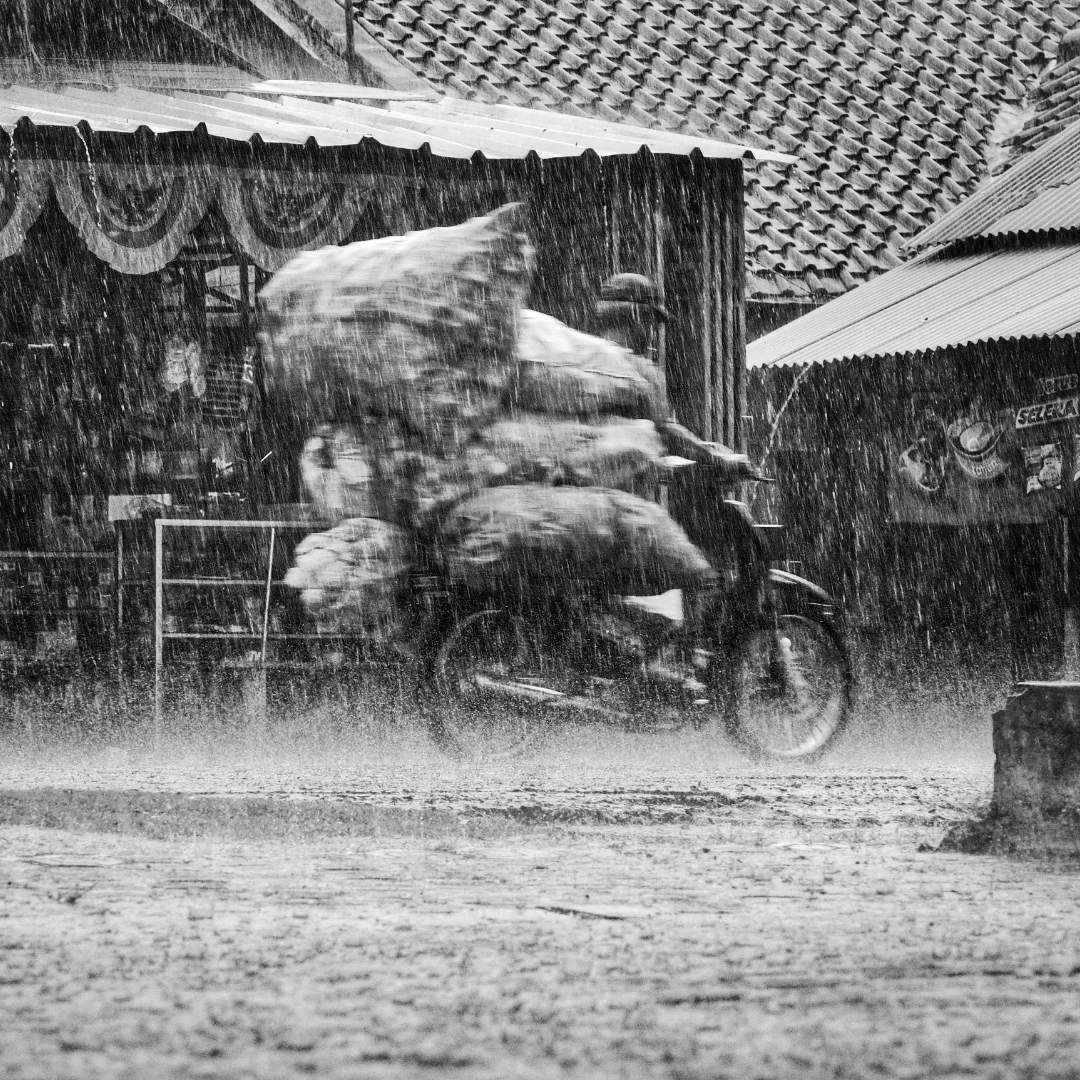
One of the most interesting things about El Niño is that it affects different places in different ways. Some regions may experience floods and heavy rain, while others may face droughts and water shortages.
Countries such as Australia, Indonesia and parts of South Asia can become drier than normal during El Niño years. Meanwhile, some parts of North and South America may see increased rainfall. Heatwaves can also become more common in many regions.
These changes can affect crops, wildlife and water supplies. Farmers often pay close attention to El Niño forecasts because weather can have a big impact on the food we grow.
Can we do anything about it?
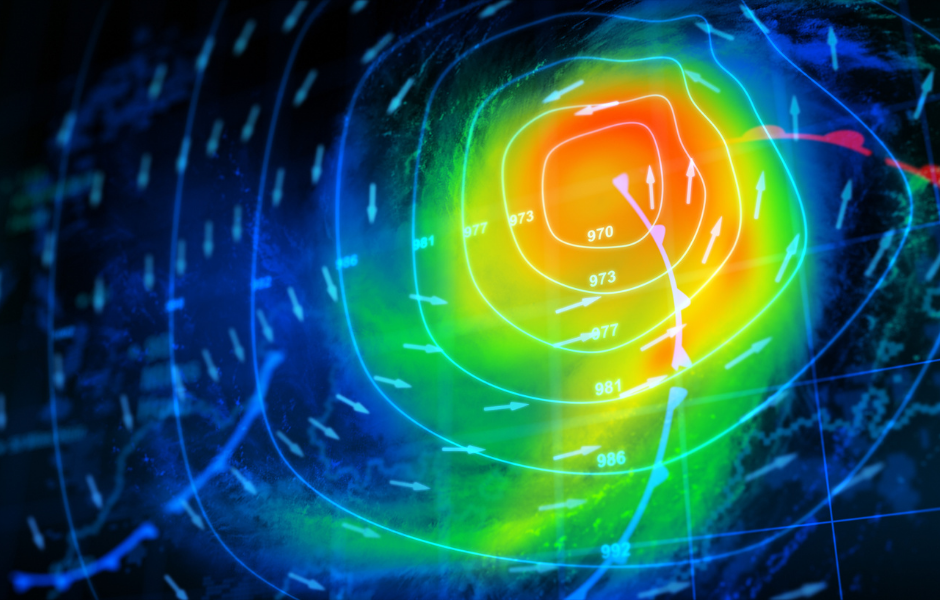
People cannot stop El Niño because it is a natural part of Earth’s climate system. Scientists can, however, monitor the oceans and predict when it is likely to happen.
These forecasts help governments, farmers, and communities prepare. They may store water, improve flood defences or make plans to protect crops before extreme weather arrives.
For children, one of the best things to do is learn about weather and climate. Understanding how our planet works can help future generations make good decisions and care for the environment.
For advanced readers who would like to learn more, the World Meteorological Organisation provides information about El Niño and global weather patterns.
Article vocabulary list
- Climate: The usual weather conditions in a place over many years.
- Pacific Ocean: The largest ocean on Earth.
- Forecast: A prediction about future weather or events.
- Drought: A long period with very little rain.
- Heatwave: A period of unusually hot weather.
- Flood: When water covers land that is usually dry.
- Temperature: A measure of how hot or cold something is.
- Environment: The natural world around us.
Comprehension questions
Just click the plus (+) to see the answer
1. Where does El Niño begin?
a) The Atlantic Ocean
b) The Pacific Ocean
c) The Indian Ocean
Answer: b) The Pacific Ocean
2. What happens to ocean temperatures during El Niño?
a) They become warmer than usual
b) They freeze
c) They disappear
Answer: a) They become warmer than usual
3. What is the opposite of El Niño called?
a) Monsoon
b) Hurricane
c) La Niña
Answer: c) La Niña
4. Why are scientists concerned about the 2026 El Niño?
a) It could be a strong event
b) It will stop all rain
c) It will cool the whole planet
Answer: a) It could be a strong event
5. Which of these places may become drier during El Niño?
a) Australia
b) Greenland
c) Iceland
Answer: a) Australia

Mark is a writer and EFL teacher from England with eight years’ experience. He’s passionate about travel, sport (especially football), animals, nature, and history, and enjoys helping children explore the world through language and learning.