This children’s article, Geminids meteor shower: a kids’ guide to the brightest winter night, has been written for native English speakers and learners of English as a second or foreign language. It can help children practise reading and comprehension, learn useful vocabulary, and explore one of the most exciting night-sky events of the year. The Geminids meteor shower reaches its brightest point this week in December. Written by Sinead O’Carroll, an experienced English teacher and writer.
A night sky full of streaks and sparkles
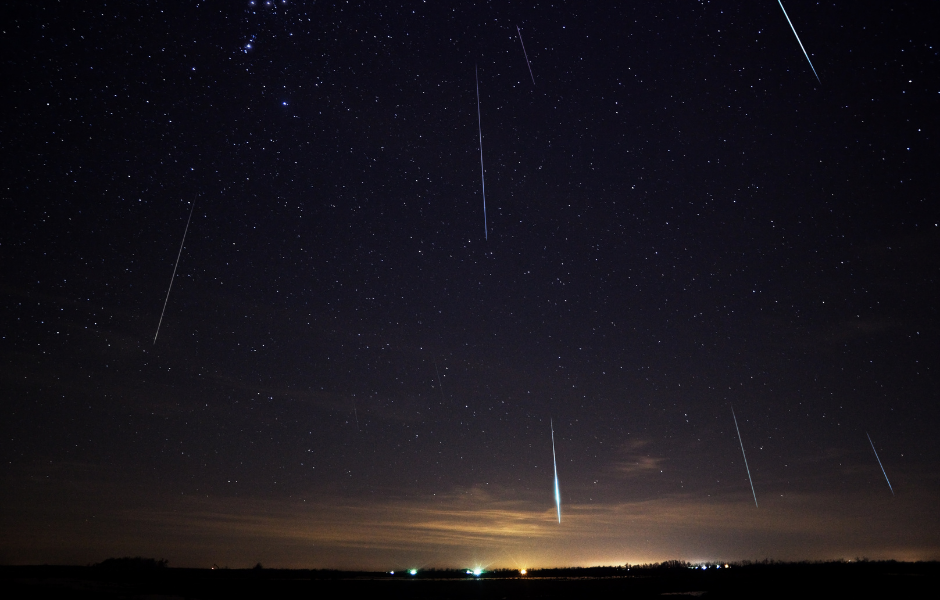
Winter nights can feel long, dark, and quiet. This week brings something far more exciting. The Geminids meteor shower is happening now and will reach its peak on Saturday, 13th and Sunday, 14th December, creating bright streaks across the sky.
Meteor showers happen when tiny pieces of space rock enter Earth’s atmosphere and heat up so quickly that they glow. These glowing streaks are called meteors, although many people call them shooting stars.
The Geminids appear every December. They are known as one of the brightest and busiest meteor showers of the year. Astronomers say that under clear, dark skies it is possible to see up to 120 meteors per hour during the peak. This makes the Geminids a favourite event for stargazers around the world.
Where the Geminids come from
Most meteor showers come from comets, which are icy objects that leave trails of dust as they travel through space. The Geminids are different. They come from an unusual asteroid called 3200 Phaethon. This asteroid behaves a little like a comet when it gets close to the Sun. It breaks apart slightly and leaves behind tiny pieces of dust and rock.
Earth passes through this trail every December. The pieces rush into our atmosphere and burn brightly, creating the Geminid meteors that fill the winter sky.
How to watch the Geminids
To watch the Geminids you don’t need a telescope or special equipment. Clear weather, warm clothing, and a dark place away from bright city lights are enough for a good view.
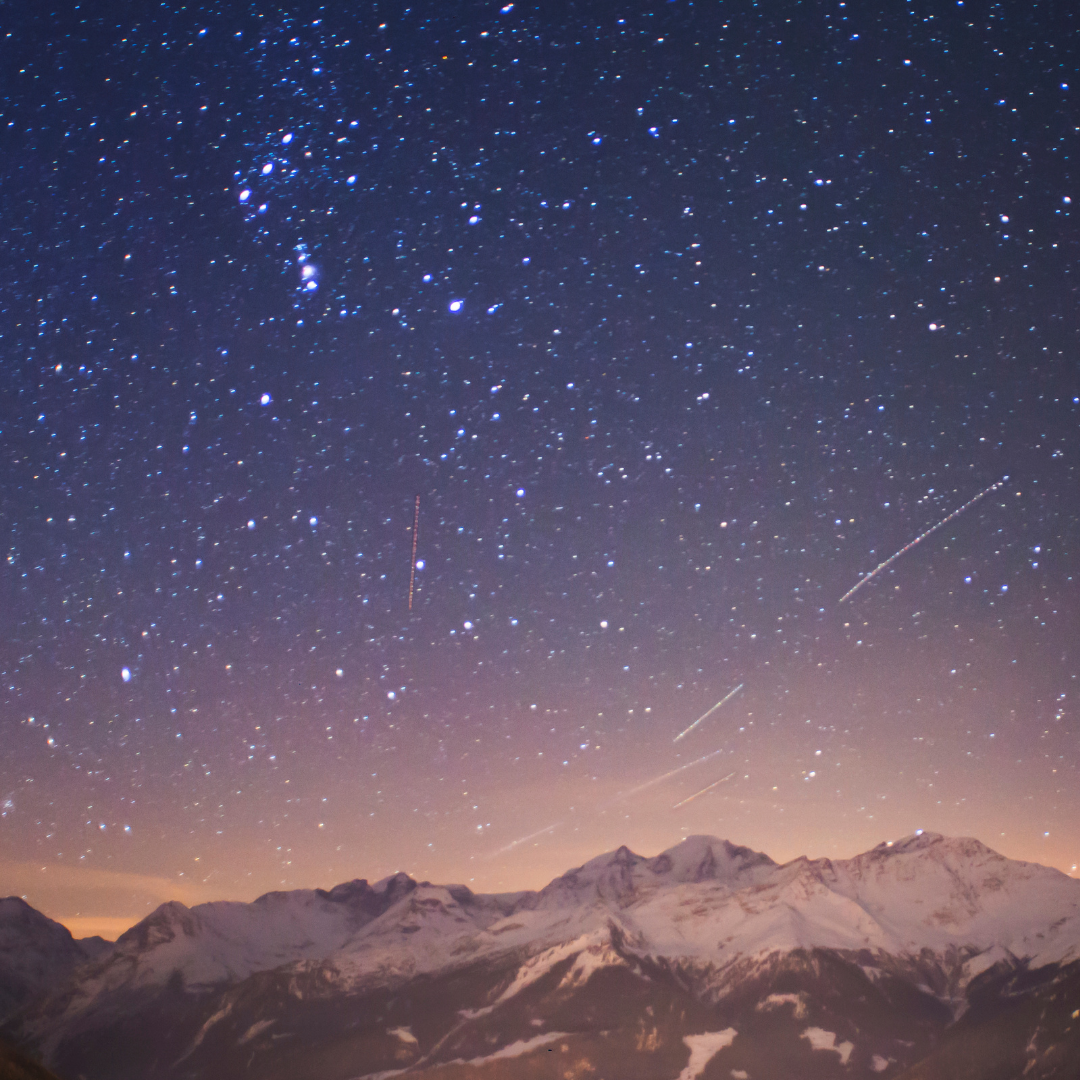
The meteors can appear anywhere across the sky, although they seem to come from the constellation Gemini, which gives the shower its name.
Eyes need time to adjust to darkness. Many skywatchers wait at least fifteen minutes before the shower looks bright. The best time to watch is usually late at night or just before dawn, when Earth is facing into the stream of space dust.
Why the Geminids matter
Meteor showers remind people that Earth is part of a much larger universe. They encourage curiosity about space, science, and the history of our solar system. The Geminids also offer a rare chance to see something spectacular without using any equipment at all.
If you want to explore more about meteor showers, visit the European Space Agency’s website: The European Space Agency
Article vocabulary list
- Meteor: A streak of light made when space rock burns in Earth’s atmosphere.
- Atmosphere: The layer of gases surrounding Earth.
- Asteroid: A rocky object that orbits the Sun.
- Constellation: A group of stars that forms a pattern in the sky.
- Stargazer: A person who watches the night sky.
- Equipment: Tools or items needed for a task.
- Universe: Everything that exists in space, including stars and planets.
- Solar system: The Sun and the planets that orbit around it.
Comprehension questions
Just click the plus (+) to see the answer
1. When will the Geminids meteor shower reach its peak in 2025?
a) 1 to 2 December
b) 13 to 14 December
c) 25 to 26 December
Answer: b) 13 to 14 December
2. What causes the glowing streaks seen during a meteor shower?
a) Reflections from the Moon
b) Space rocks burning in Earth’s atmosphere
c) Rockets flying overhead
Answer: b) Space rocks burning in Earth’s atmosphere
3. What is unusual about the Geminids meteor shower?
a) It comes from an asteroid, not a comet
b) It only appears once every ten years
c) It only happens in the Southern Hemisphere
Answer: a) It comes from an asteroid, not a comet
4. How many meteors per hour might be visible during the peak?
a) About ten
b) About fifty
c) Up to one hundred and twenty
Answer: c) Up to one hundred and twenty
5. Where do the Geminids appear to come from in the night sky?
a) Orion
b) Gemini
c) Ursa Major
Answer: b) Gemini
6. Why do some people wait before the shower looks bright?
a) Their eyes need time to adjust to the dark
b) Meteors only appear after midnight
c) The Moon has to disappear first
Answer: a) Their eyes need time to adjust to the dark

Sinead is a writer and EFL teacher with eight years’ experience. She’s a native English speaker who loves making news stories fun and easy to understand for children around the world. Her passions include travel, animals, and helping to make the world a kinder, more sustainable place.