This children’s article, US midterm elections 2026: why they matter and what could happen next, has been written for native English speakers and learners of English as a second or foreign language. It helps children practise reading and comprehension, learn useful vocabulary, and explore the upcoming US midterm elections, Congress’s role, and what a possible Democratic victory could mean for President Donald Trump and his government. Written by Mark Pulley, a teacher and writer who creates fun and informative news articles for English learners.
What are the US midterm elections?
Imagine you are halfway through a four-year project. Your team has made some big decisions, and now everyone gets a chance to decide whether they are happy with the way things are going. That’s kinda what the US midterm elections are like!
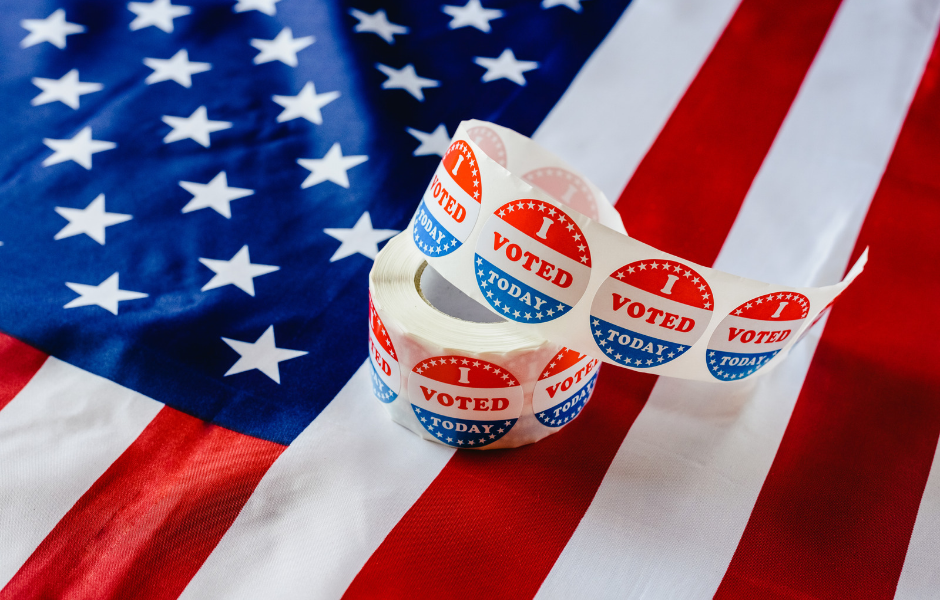
Every four years, Americans vote to choose their president. Midterm elections take place halfway through the president’s four-year term. The next ones are on the 3rd of November.
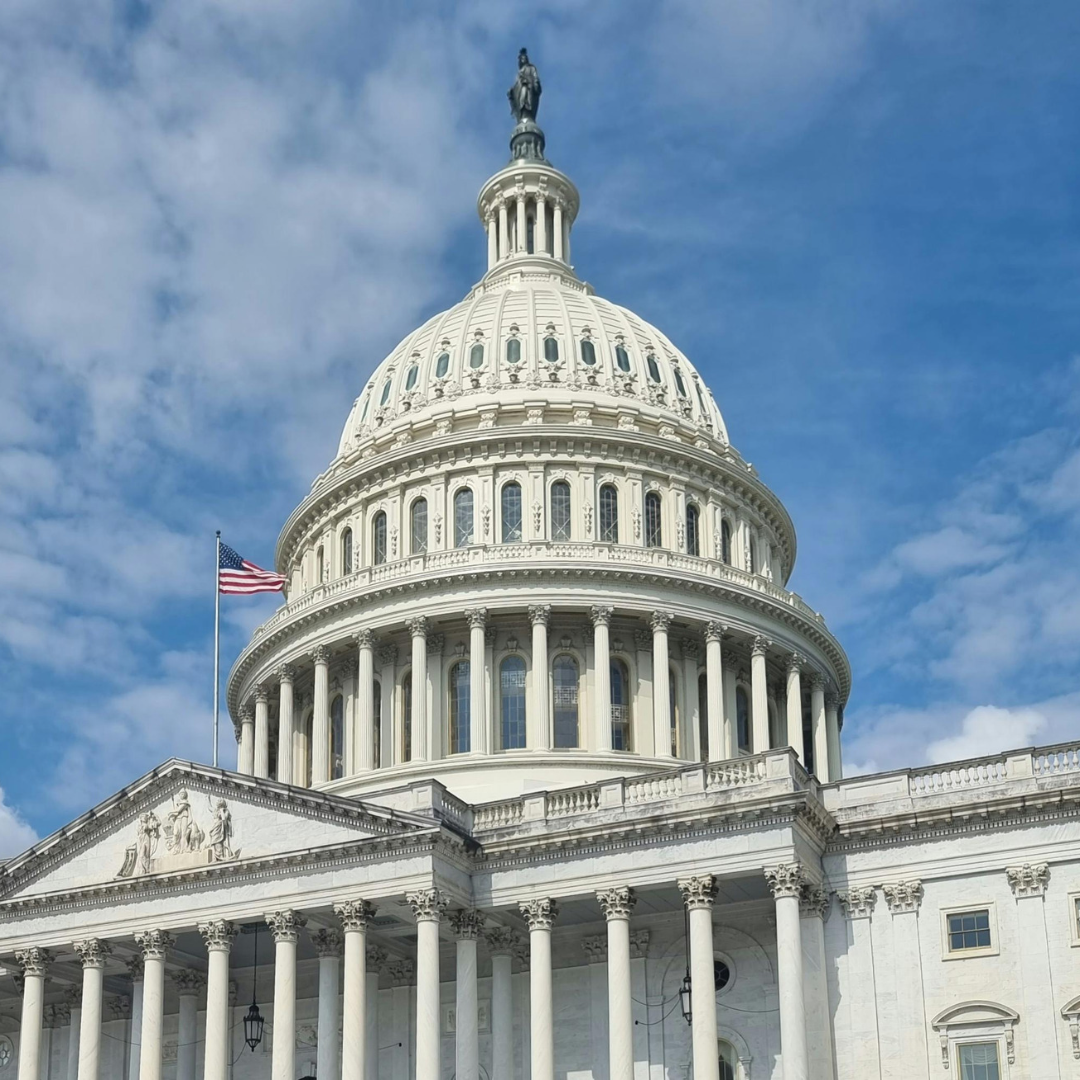
This time, voters will choose all 435 members of the House of Representatives and 35 of the 100 members of the Senate. Together, these two groups make up Congress, which helps make the country’s laws.
Why are these elections important?
Congress has a powerful job. It debates laws, decides how government money should be spent and checks the work of the president’s administration.
The US has two main political parties: the Republicans and the Democrats. President Donald Trump is a Republican, and his party currently controls both parts of Congress.
If the Democrats win enough seats, they could take control of one or both chambers. That would make it harder for Trump to pass some of his plans.
Midterm elections are also a way for voters to show whether they approve of the president’s performance. People often vote based on issues such as the cost of food and housing, healthcare, immigration and the economy.
What is happening in 2026?
The election campaign is becoming increasingly important as voters prepare to make their choices. Recent opinion polls suggest that many Americans are unhappy with Trump’s performance, particularly over the economy and rising prices.
The Democrats appear to have a good chance of winning the House. Winning the Senate is more difficult, although several Senate races have become more competitive. A survey published by the Pew Research Center in October found that 55% of American adults expected the Democrats to win control of the House, but opinions about the Senate were much closer, with Americans almost evenly divided over which party would win.
Polls, though, are not the same as real election results. They ask samples of people how they feel or intend to vote, so they cannot guarantee what will happen when all the votes are counted.
What would a Democratic victory mean?
A Democratic victory would not mean that Trump had to leave the White House. Americans elect their president separately, and his term is due to continue until January 2029.
Instead, the biggest change would be in Congress. If the Democrats won control of the House, they could investigate decisions made by Trump’s administration, question government officials, and make it harder to pass certain laws. They would also have more influence over government spending.
If they won the Senate as well, they could create an even bigger challenge for Trump’s plans. The Senate also has an important role in approving many presidential appointments, including judges and senior government officials.
There would still be limits to what the Democrats could achieve. Trump could veto many bills passed by Congress, and overriding that veto requires a large majority in both chambers.
A Democratic victory would not mean that Trump had to leave the White House. Americans elect their president separately, and his term is due to continue until January 2029.
What happens next?
The midterms will help shape America’s politics for the next two years. A strong Democratic result could put pressure on Trump to change some of his policies, while a Republican victory would give his party a better chance of continuing its plans.
The results could also influence the next presidential election in 2028. Political parties will study what voters liked and disliked to decide how to campaign in the future.
One thing is certain: the midterms are about much more than choosing politicians. They give millions of Americans a chance to influence the future of their country.
Article vocabulary list
- Midterm elections: Elections held halfway through a president’s four-year term.
- Congress: The part of the US government that makes laws. It consists of the House of Representatives and the Senate.
- Political party: A group of people who share political ideas and work together to win elections.
- Chamber: One of the two parts of Congress, either the House of Representatives or the Senate.
- Opinion poll: A survey that asks people what they think about an issue or who they might vote for.
- Administration: The people and departments responsible for running the government under a president.
- Investigate: To examine something carefully to discover facts or find out what happened.
- Veto: A president’s power to reject a proposed law.
- Appointment: The act of choosing someone for an official job.
- Influence: The power to affect what happens or how someone thinks.
Comprehension questions
Just click the plus (+) to see the answer
Answer: b) Halfway through a president’s four-year term
Answer: a) The House of Representatives and the Senate
Answer: c) The Republicans
Answer: b) 55%
Answer: a) They ask only a sample of people, and voting intentions can change

Mark is a writer and EFL teacher from England with eight years’ experience. He’s passionate about travel, sport (especially football), animals, nature, and history, and enjoys helping children explore the world through language and learning.