This children’s article, The Galápagos Islands: A kids’ guide to one of the world’s most amazing places, has been written for native English speakers and learners of English as a second or foreign language. It can help children practise reading and comprehension, learn useful vocabulary, and explore one of the most unusual island groups on Earth. Written by Mark Pulley, a teacher and writer who creates fun and informative news articles for English learners.
Where are the Galápagos Islands?
The Galápagos Islands are a group of volcanic islands in the Pacific Ocean, about 1,000 kilometres west of Ecuador in South America. They sit right on the equator, which means they are exactly halfway between the North and South Poles.
Even though the islands are close to the equator, the climate is not always hot. Cool ocean currents help keep temperatures mild, creating a mix of warm sunshine and refreshing sea breezes.
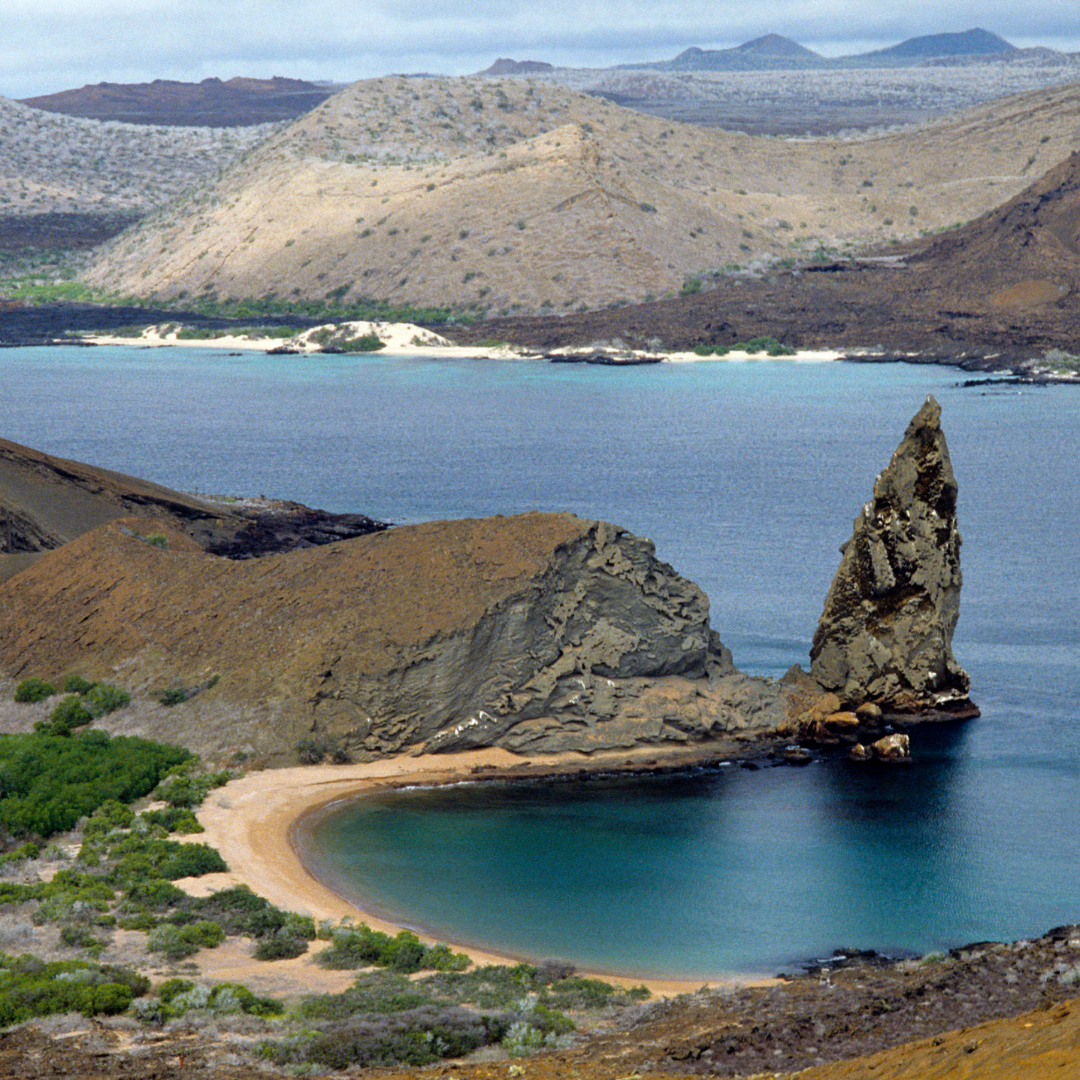
There are 13 main islands and more than 100 smaller ones. Some are covered in green forests, while others are rocky and dry, shaped by lava from ancient volcanoes.
A short history of the islands
The Galápagos Islands were formed by volcanic eruptions millions of years ago. For a very long time, no humans lived there. The islands were first discovered by accident in 1535 when a Spanish ship drifted off course.
For centuries, the islands were used by pirates, sailors, and whalers as a place to rest, find fresh water, and collect food. Permanent settlements did not arrive until the 1800s.
Today, about 30,000 people live on the islands. Most live in small towns and work in tourism, fishing, and conservation, helping to protect the islands and their wildlife.
Incredible animals found nowhere else
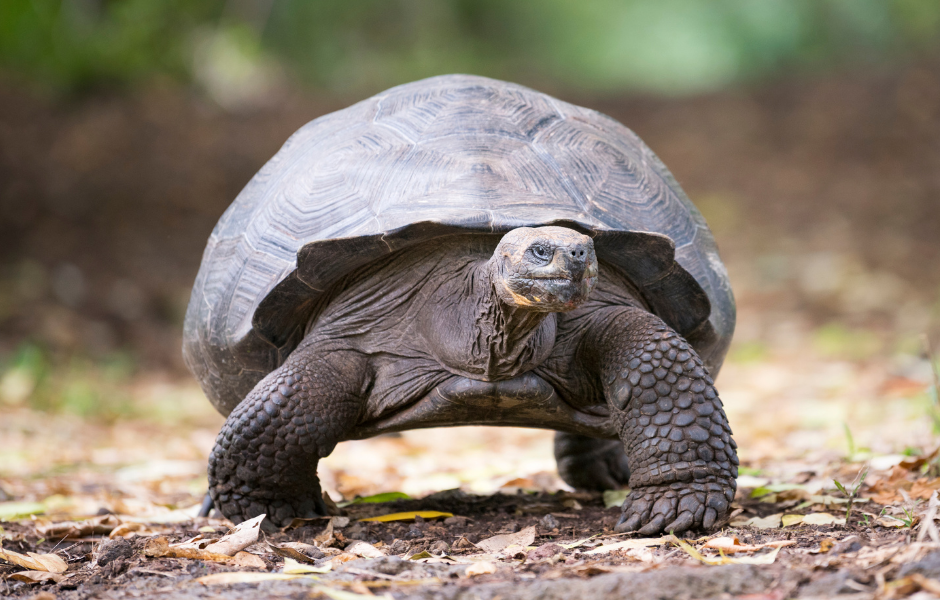
The Galápagos Islands are famous for their unique animals. Many species here cannot be found anywhere else in the world. These include giant tortoises, marine iguanas, blue-footed boobies, and Galápagos penguins.
Some animals are very friendly and seem unafraid of humans. This is because they evolved without large predators, so they never learned to be scared.
One of the most famous visitors was Charles Darwin, who came to the islands in 1835. His studies of the animals helped him develop his ideas about evolution, which changed how people understood life on Earth.
Climate and landscapes
The islands have two main seasons. One is warm and slightly rainy, while the other is cooler and drier. Ocean currents play a big role in shaping the weather and sea life around the islands.
The landscapes are full of contrasts. Visitors can see black lava fields, green highlands, white sandy beaches, and clear blue seas, all within a short distance. Volcanoes are still active on some islands, making the Galápagos one of the most geologically exciting places on the planet.
Why the Galápagos are so special today
Because the islands are so important for science and wildlife, much of the area is protected as a national park and marine reserve. Strict rules help limit tourism and protect fragile ecosystems.
Scientists continue to study the animals and plants to learn more about evolution, climate change, and conservation. The islands are often called a “living laboratory”.
The Galápagos Islands remind us how important it is to protect nature. They show how beautiful and strange the natural world can be when it is cared for properly.
Article vocabulary list
- Volcanic: Made by volcanoes and flowing lava.
- Equator: An imaginary line around the middle of the Earth.
- Climate: The usual weather conditions in a place.
- Predators: Animals that hunt and eat other animals.
- Evolution: The way living things slowly change over many generations.
- Ecosystem: A community of plants and animals living together.
- Conservation: Protecting nature and wildlife.
- Marine reserve: A protected ocean area where wildlife is kept safe.
Comprehension questions
Just click the plus (+) to see the answer
1. Where are the Galápagos Islands located?
A) In the Atlantic Ocean
B) Near the North Pole
C) In the Pacific Ocean near Ecuador
Answer: C) In the Pacific Ocean near Ecuador
2. Why are many Galápagos animals not afraid of humans?
A) They have no natural predators
B) They are trained by people
C) They live underground
Answer: A) They have no natural predators
3. Which famous scientist visited the islands in 1835?
A) Isaac Newton
B) Charles Darwin
C) Albert Einstein
Answer: B) Charles Darwin
4. What helps keep the islands cooler than expected for their location?
A) Strong winds
B) Cold ocean currents
C) High mountains
Answer: B) Cold ocean currents
5. Why are the islands carefully protected today?
A) To build large cities
B) To protect wildlife and nature
C) To stop all visitors
Answer: B) To protect wildlife and nature

Mark is a writer and EFL teacher from England with eight years’ experience. He’s passionate about travel, sport (especially football), animals, nature, and history, and enjoys helping children explore the world through language and learning.