This children’s article, Presidents, prime ministers and even kings: how countries choose their leaders, has been written for native English speakers and learners of English as a second or foreign language. It can help children practise reading and comprehension, learn useful vocabulary, and explore how different countries organise their governments. Readers will discover how leadership has changed over time and why countries use different titles. Written by Sinead O’Carroll, an experienced teacher and writer for English News For Kids.
Leaders through history
Thousands of years ago, people often looked to powerful rulers to guide their societies. In ancient Egypt, the country was led by a ruler called a pharaoh. The pharaoh was believed to have great power and was seen by many people as both a political and religious leader.
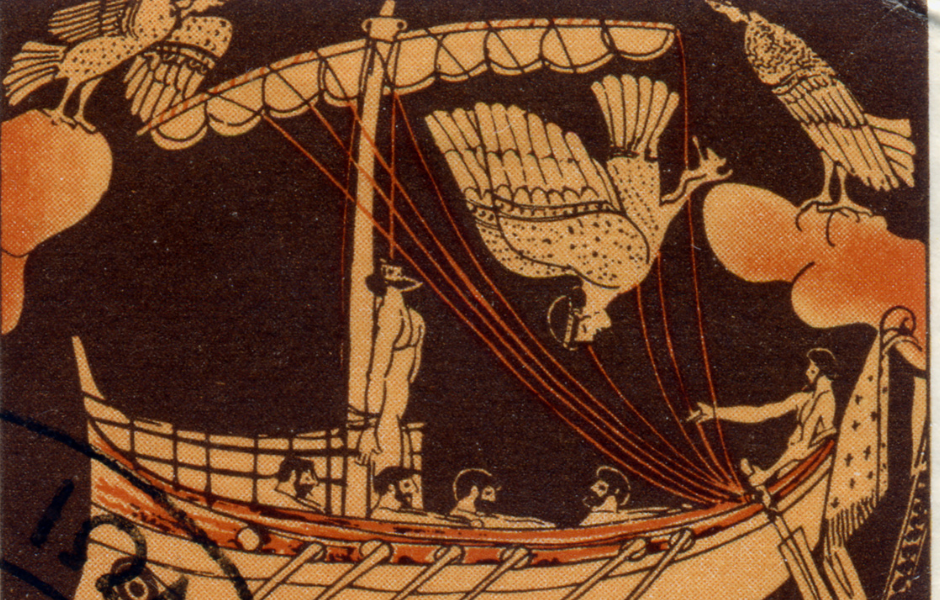
In other parts of the world, large empires were ruled by emperors. The Roman Empire had emperors who controlled huge areas of land around the Mediterranean Sea. In China, emperors ruled for many centuries and led one of the world’s oldest civilisations.
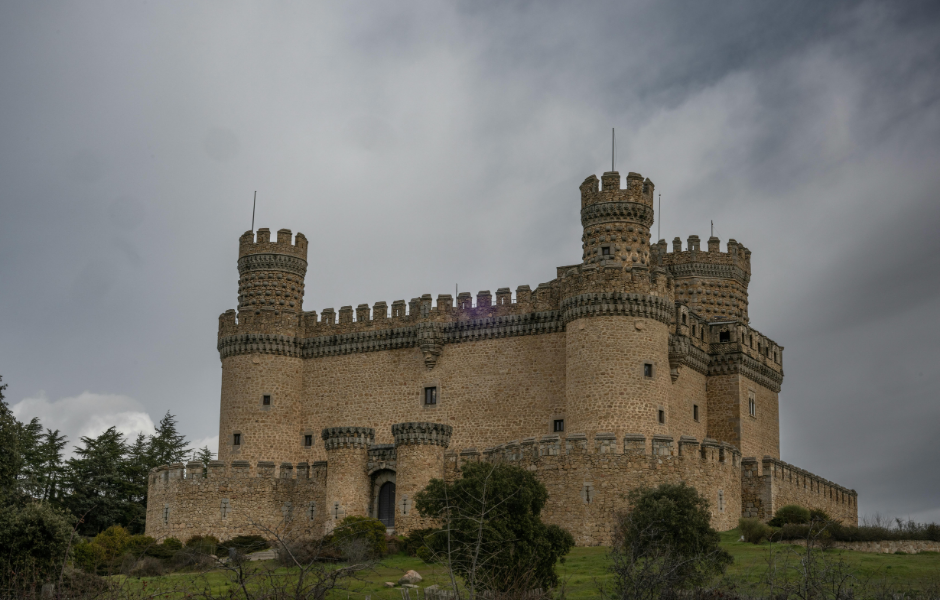
Across Europe, Africa, and parts of Asia, many regions were ruled by kings or queens. These rulers often lived in palaces or castles and passed power to their children and then their grandchildren.
Leaders in modern countries
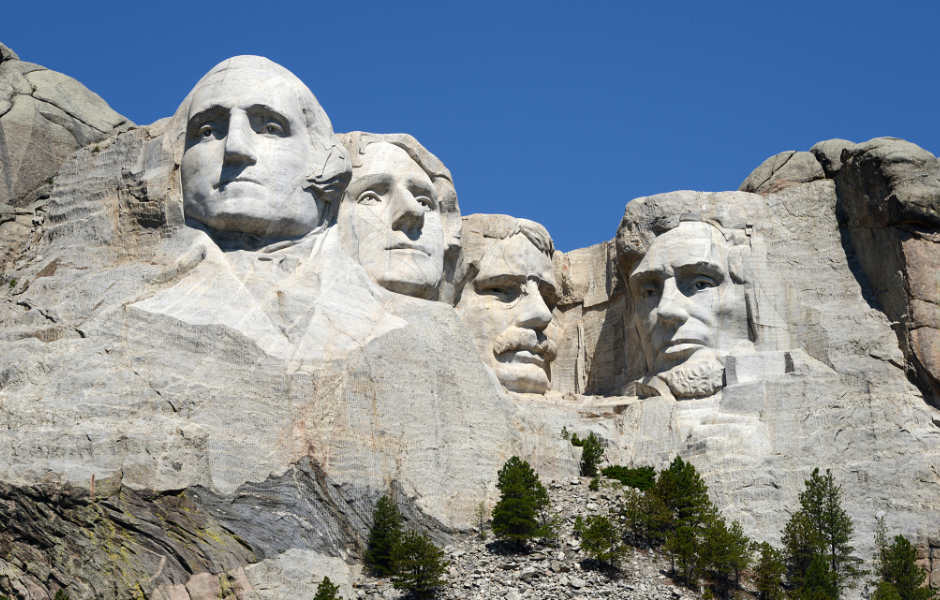
Today, many countries are led by people with different titles. One common title is president. A president is often chosen through an election where citizens of the country vote. Countries such as Brazil, France, Indonesia, Mexico, the United States, and South Africa have presidents who lead the government.
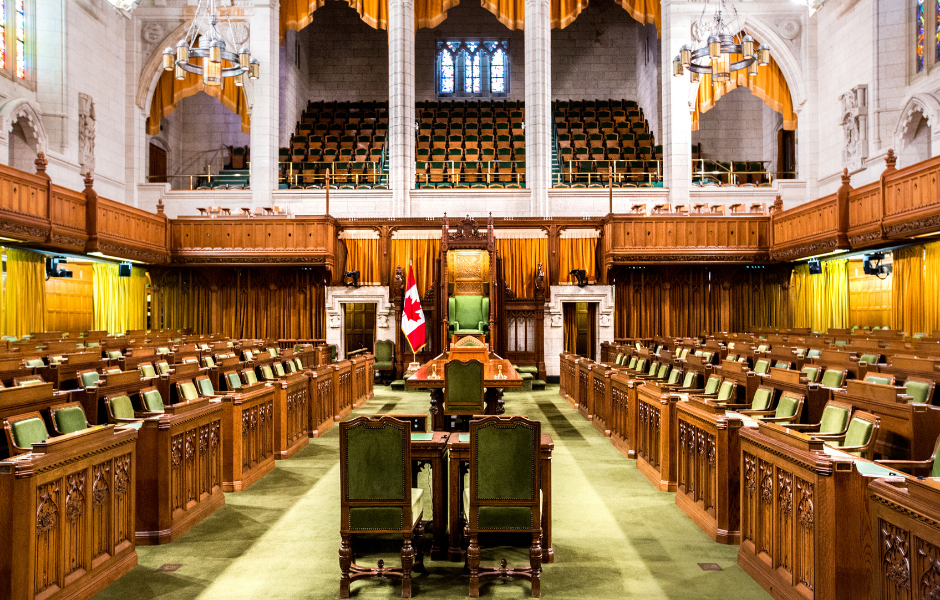
Some countries are led by a prime minister instead. Prime ministers usually work with a group of elected representatives in a parliament. Countries such as India, Japan, Spain, Canada, and New Zealand have prime ministers who guide the government’s decisions.
Ireland has a prime minister with a special title. The leader of the Irish government is called the Taoiseach, a word from the Irish language.
Countries with kings and queens today
Kings and queens still exist in several countries today, although their role is often different from rulers in the past.
In places such as the United Kingdom, Spain, Japan, Morocco, and Thailand, a king or emperor is the official head of state. In many of these countries, the monarch represents national traditions and history.
The daily work of running the government is usually carried out by elected leaders such as prime ministers or presidents.
Why systems are different
Every country has its own history, traditions, and way of organising government. Some countries prefer to elect a president who leads the nation. Others choose a prime minister who works with a parliament.
A few countries keep their kings or queens as part of their culture and history, while elected leaders manage the government.
There is therefore no single way for a country to choose its leaders. Around the world, different systems continue to shape how nations are governed.
Article vocabulary list
- Pharaoh: The title used for the powerful rulers of ancient Egypt.
- Emperor: A ruler who controls a large empire made up of several regions or countries.
- Monarch: A king or queen who rules a country.
- President: A leader of a country who is usually chosen through an election.
- Prime minister: The head of government in many countries that have a parliament.
- Parliament: A group of elected representatives who make laws and decisions for a country.
- Election: A process where people vote to choose their leaders.
- Government: The group of people responsible for running a country.
Comprehension questions
Just click the plus (+) to see the answer
1. What title was used for rulers in ancient Egypt?
a) Emperor
b) Pharaoh
c) President
Answer: b) Pharaoh
2. Which title is often chosen through an election in many countries?
a) President
b) King
c) Emperor
Answer: a) President
3. What is the name of the head of government in Ireland?
a) Emperor
b) Taoiseach
c) Governor
Answer: b) Taoiseach
4. Which group helps make laws in countries with a prime minister?
a) Army
b) Parliament
c) School council
Answer: b) Parliament
5. Which of these countries still has a monarch today?
a) Thailand
b) Brazil
c) Mexico
Answer: a) Thailand
6. Why do countries have different systems for choosing leaders?
a) Because of their history and traditions
b) Because they copy each other
c) Because they change every year
Answer: a) Because of their history and traditions

Sinead is a writer and EFL teacher with eight years’ experience. She’s a native English speaker who loves making news stories fun and easy to understand for children around the world. Her passions include travel, animals, and helping to make the world a kinder, more sustainable place.