This children’s article, The day the Titanic sank: A kids’ guide to the most famous shipwreck in history, has been written for native English speakers and learners of English as a second or foreign language. It can help children practise reading and comprehension, learn useful vocabulary, and explore one of the most well-known events in history. Written by Mark Pulley, a teacher and writer who creates fun and informative news articles for English learners.
The ship that seemed unsinkable
The Titanic was one of the largest and most impressive ships ever built at the time. It was constructed in Belfast and launched in April 1912.
People believed it was “unsinkable” because it had special safety features, including watertight compartments designed to stop flooding. The ship also had luxury rooms, grand staircases and even a swimming pool.
Many people thought travelling on the Titanic was the safest and most comfortable way to cross the Atlantic Ocean. But they were wrong.
The journey and its passengers
The Titanic set sail from Southampton on its first journey to New York City. It stopped along the way in Cherbourg and Queenstown to pick up more passengers.
On board were over 2,200 people, including very rich passengers travelling in luxury and poorer families hoping for a new life in America. This mix of people made the ship feel like a floating city.
Life on board was very different depending on where you were. Some people enjoyed fine dining and music, while others stayed in dark cabins below deck.
What happened on the night it sank
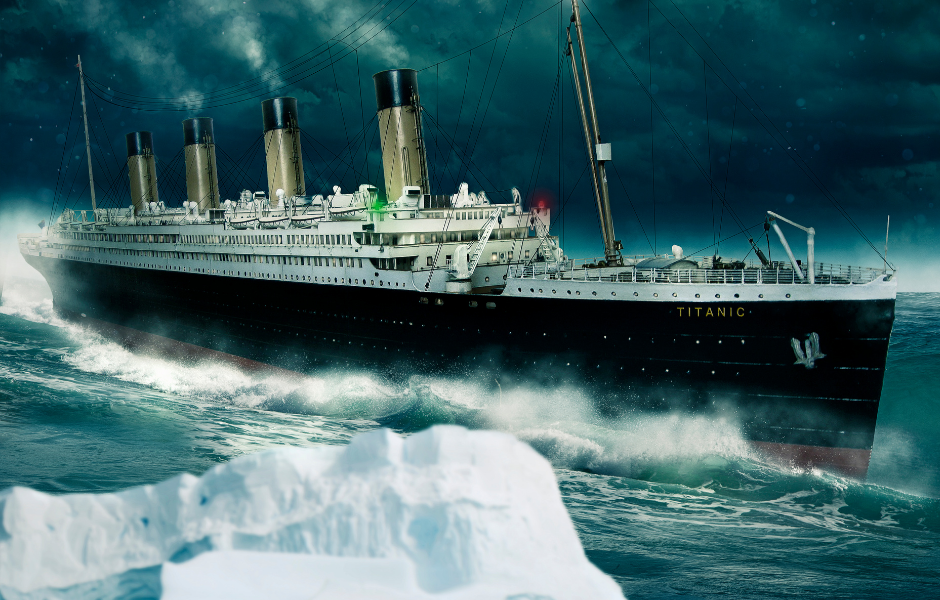
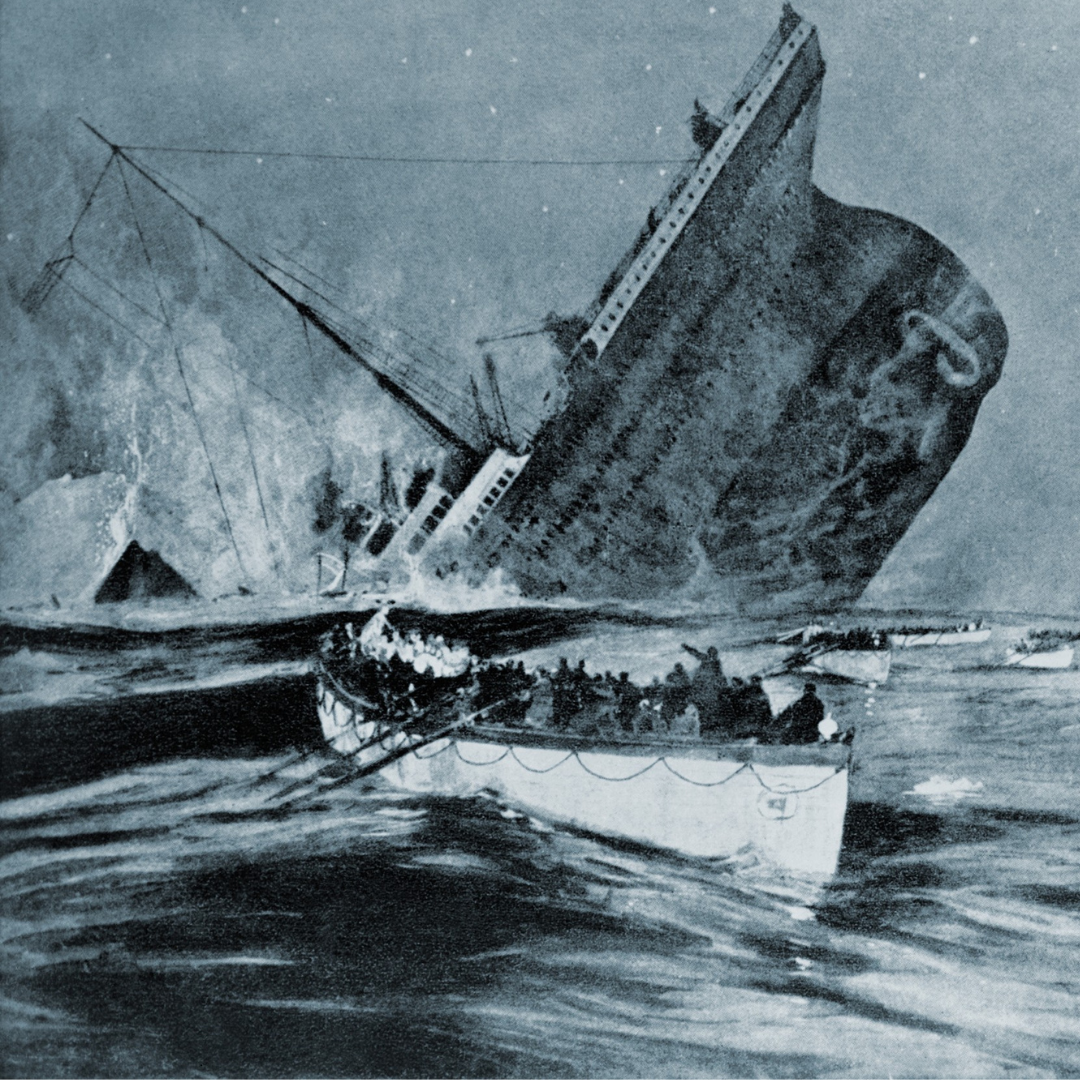
At 11:40 pm on the 14th of April 1912, the Titanic hit an iceberg in the cold waters of the Atlantic Ocean. The damage caused icy water to fill the ship slowly. It took about two hours and forty minutes for the Titanic to sink. During that time, passengers and crew frantically tried to escape using lifeboats.
The big problem, though, was that there were not enough lifeboats for everyone on board, which made the disaster much worse. Many people were left in the freezing water with nothing to cling to, causing them to freeze to death in a matter of minutes before sinking under the water.
The legacy of the Titanic
More than 1,500 people lost their lives in the disaster, making it one of the deadliest shipwrecks in history.
The tragedy led to important changes in safety rules at sea. Ships were required to carry enough lifeboats for everyone and to improve communication systems.
Today, the story of the Titanic is still famous around the world. Books, films and documentaries continue to tell the story, helping people remember what happened on that terrible night in April 1912.
Article vocabulary list
- Unsinkable: Believed to be impossible to sink.
- Luxury: Great comfort and expensive surroundings.
- Passenger: A person travelling on a vehicle such as a ship.
- Iceberg: A large piece of ice floating in the sea.
- Lifeboat: A small boat used to save people in an emergency.
- Disaster: A sudden event causing great damage or loss of life.
- Crew: The people who work on a ship.
- Legacy: Something remembered or left behind from the past.
Comprehension questions
Just click the plus (+) to see the answer
1. Where was the Titanic built?
a) Belfast
b) London
c) Paris
Answer: a) Belfast
2. Where was the Titanic travelling to?
a) Australia
b) New York City
c) Canada
Answer: b) New York City
3. What did the Titanic hit?
a) Another ship
b) A rock
c) An iceberg
Answer: c) An iceberg
4. Why was the disaster worse than it could have been?
a) The ship was too fast
b) There were not enough lifeboats
c) The weather was too hot
Answer: b) There were not enough lifeboats
5. What happened after the disaster?
a) Ships stopped travelling
b) New safety rules were introduced
c) No changes were made
Answer: b) New safety rules were introduced

Mark is a writer and EFL teacher from England with eight years’ experience. He’s passionate about travel, sport (especially football), animals, nature, and history, and enjoys helping children explore the world through language and learning.