This children’s article, What is Easter and why do people celebrate it with eggs and chocolate?, has been written for native English speakers and learners of English as a second or foreign language. It can help children practise reading and comprehension, and learn useful vocabulary. Readers will discover where Easter comes from, what different traditions mean, and why the holiday is important for many people. Written by Sinead O’Carroll, an experienced teacher and writer for English News For Kids.
A springtime celebration
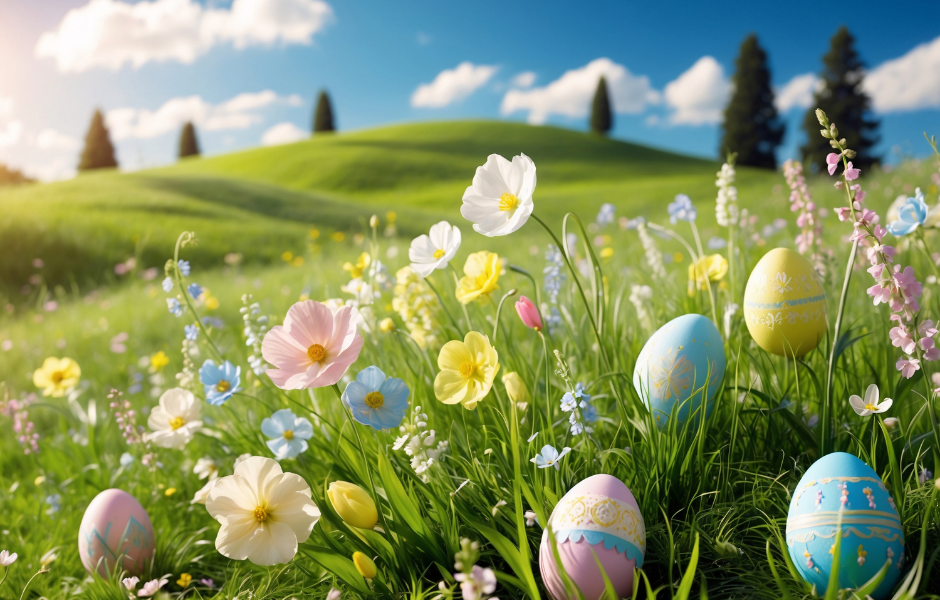
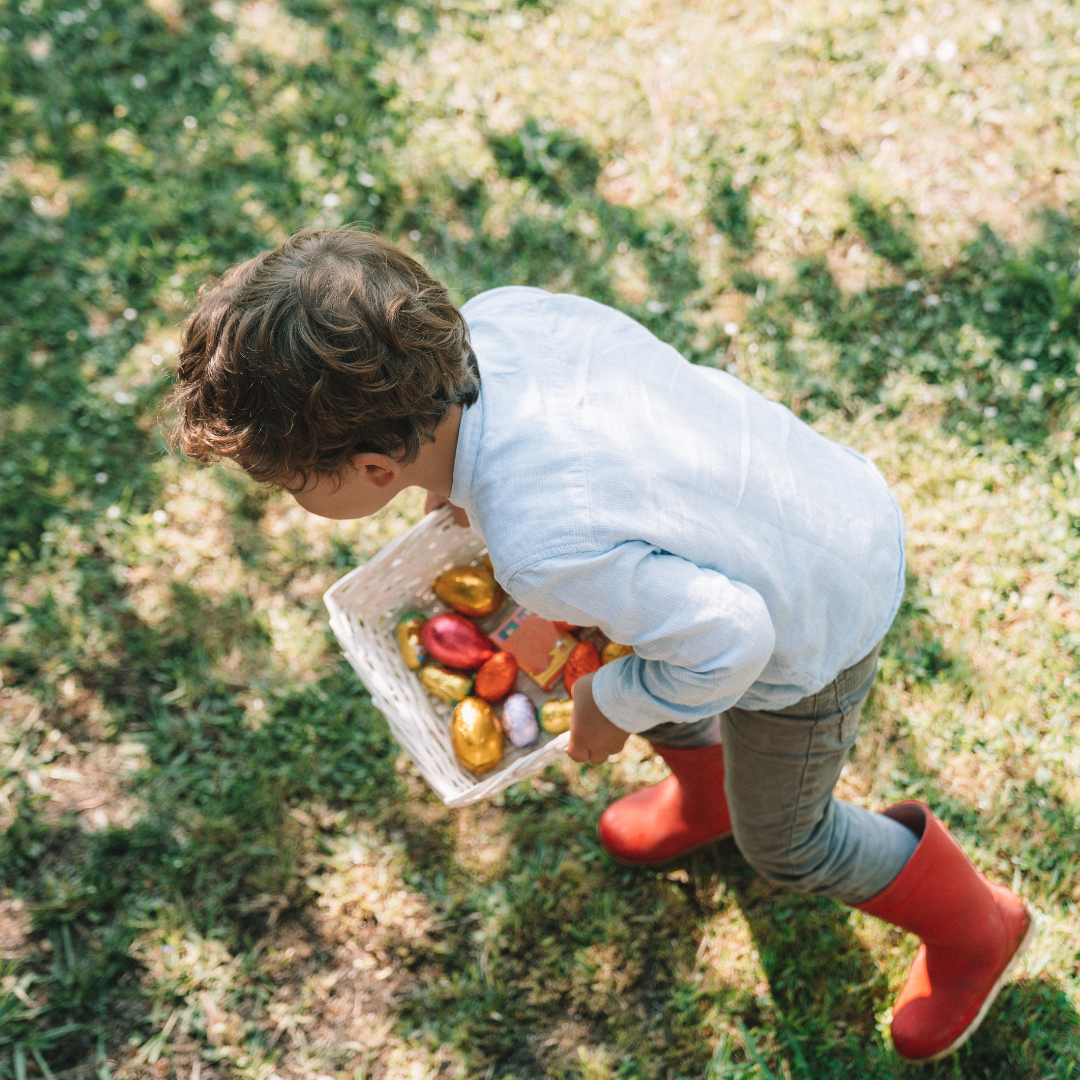
Brightly coloured eggs, chocolate bunnies, and exciting egg hunts appear in many homes each spring. Children search gardens and parks, hoping to discover sweet treats hidden behind flowers or trees. These cheerful activities are all part of Easter, a festival that usually takes place in March or April, when spring begins in many parts of the world.
Easter is an important celebration in the Christian calendar. Millions of people around the world mark the day each year. For many Christians, Easter celebrates the story that Jesus rose from the dead, which they see as a symbol of hope and new life.
The story behind Easter
The events remembered at Easter come from stories in the Bible. Christians believe that Jesus was arrested, died on a cross, and was buried. According to the Bible, he came back to life three days later.
The day Christians remember Jesus dying is called Good Friday. Easter Sunday follows a few days later and celebrates the belief that he rose again.
This story is the main reason Easter is important in Christianity. Churches around the world hold special services where people gather to sing, pray, and reflect on the meaning of the day.
Readers who would like to explore more about the history of Easter can learn more here:
Britannica Easter.
Eggs, bunnies, and chocolate
Some Easter traditions may seem surprising at first. Eggs and rabbits do not appear in the Bible story. These symbols developed over many years in different cultures.
Eggs have long been seen as a symbol of new life. In many countries, people decorate eggs with bright colours and patterns. Children often take part in Easter egg hunts, where eggs are hidden and then searched for in gardens or parks.
Shops often fill with chocolate eggs and bunny-shaped sweets during the weeks before the holiday.
Traditions around the world
Easter is celebrated in many different ways depending on the country and culture.
In some places, families share special meals together. In others, towns organise parades, music, or outdoor events. Churches may decorate their buildings with flowers and candles.
Many people also connect Easter with the end of Lent, a 40-day period when some Christians try to reflect on their lives and make small changes to their habits.
Children often remember Easter for the fun traditions. Adults may focus more on the religious meaning or the chance to spend time with family and friends.
Article vocabulary list
- Easter: A Christian festival that celebrates the belief that Jesus rose from the dead.
- Calendar: A system used to organise days, weeks, and months in a year.
- Symbol: Something that represents an idea or meaning.
- Tradition: A custom that people follow for many years.
- Celebrate: To take part in special activities for an important event.
- Reflect: To think carefully about something.
- Parade: A public event where people walk or perform through streets, often with music.
Comprehension questions
Just click the plus (+) to see the answer
1. What is the article mainly about?
a) Christmas
b) Easter
c) Lent
Answer: b) Easter
2. What do many Christians believe happened on Easter Sunday?
a) Jesus travelled to another country
b) Jesus rose from the dead
c) Jesus built a church
Answer: b) Jesus rose from the dead
3. In which season does Easter usually happen in many countries?
a) Winter
b) Summer
c) Spring
Answer: c) Spring
4. What do children often search for during Easter activities?
a) Painted or chocolate eggs
b) Books
c) Coins
Answer: a) Painted or chocolate eggs
5. Which animal is often connected with Easter traditions?
a) A fox
b) A rabbit
c) A horse
Answer: b) A rabbit
6. What idea do eggs often symbolise in Easter traditions?
a) Wealth
b) New life
c) Travel
Answer: b) New life

Sinead is a writer and EFL teacher with eight years’ experience. She’s a native English speaker who loves making news stories fun and easy to understand for children around the world. Her passions include travel, animals, and helping to make the world a kinder, more sustainable place.