

This children’s article, Why do we celebrate Valentine’s Day? A kids’ guide to the day of love, has been written for native English speakers and learners of English as a second or foreign language. It can help children build vocabulary, learn about the history of a popular celebration, and understand how different cultures celebrate special days. Written by Mark Pulley, a writer and teacher who creates fun and informative news articles for English learners.
The history of Valentine’s Day
Valentine’s Day is celebrated every year on the 14th of February. Today, it is a day of cards, chocolates and kind messages. But its history goes back nearly 2,000 years.
In ancient Rome, there was a festival called Lupercalia. It took place in the middle of February and celebrated the coming of spring. People believed it would bring good luck and health. Later, the Christian Church wanted to replace this Roman festival with a Christian celebration. They chose 14 February to honour a man called Saint Valentine.
Who was Saint Valentine?
There are different stories about Saint Valentine. One popular story says he was a priest in Rome in the third century. At that time, the Roman Emperor, Claudius II, believed that single men made better soldiers than married men. So he made a rule that soldiers were not allowed to marry.
Valentine disagreed. He secretly married young couples. When the emperor found out, Valentine was arrested and later executed on the 14th of February. People later remembered him as a brave and kind man who believed in love and marriage.
How Valentine’s Day is celebrated today
Over time, Valentine’s Day became connected with romantic love. In the Middle Ages, people believed that birds began to choose their partners in February. This helped link the month with love.
Today, many people send Valentine’s cards. In the UK and the US, millions of cards are exchanged each year. Some people give flowers, especially red roses, which are a symbol of love.
Japanese women often give chocolates to men on February 14th, and one month later, men return the gift on a day called White Day.
In countries such as Italy and France, couples may go out for a special meal. In some places, children also exchange cards with friends, showing that Valentine’s Day can celebrate friendship as well as romance.
Interesting facts about the day
The first Valentine’s cards were sent hundreds of years ago. In the 1400s, people began writing love poems and notes by hand.
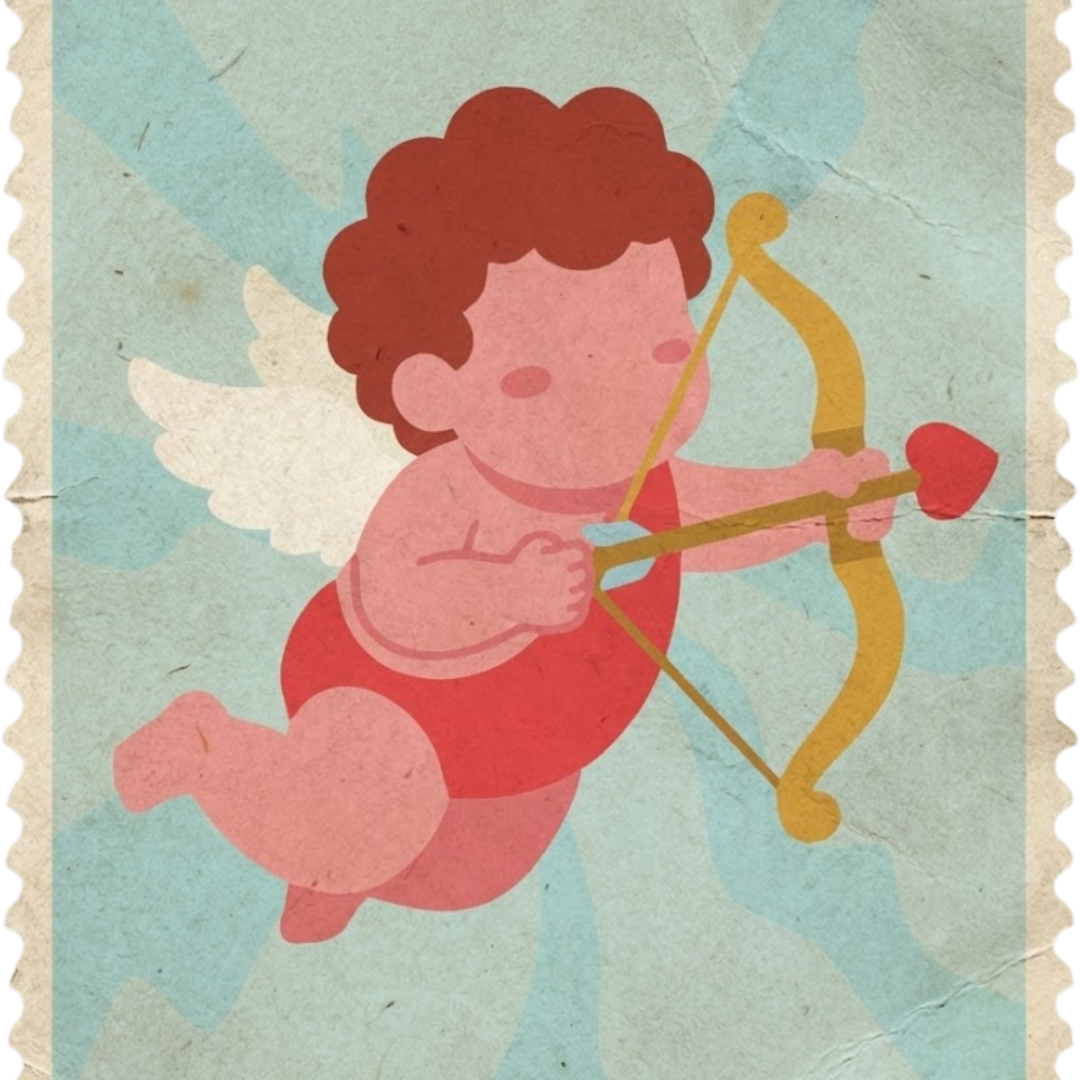
Today, many cards are bought in shops, but some people still enjoy making their own. Heart shapes, doves and the figure of Cupid are common symbols. Cupid comes from Roman mythology and is often shown as a small winged boy with a bow and arrow.
Valentine’s Day is now celebrated in many countries around the world. For some people, it is a very important romantic holiday. For others, it is simply a fun day to show kindness and appreciation to people they care about.
Article vocabulary list
- Festival: A special day or period of celebration.
- Honour: To show great respect for someone.
- Priest: A religious leader in the Christian Church.
- Emperor: The ruler of a large empire.
- Executed: Put to death as a punishment.
- Symbol: Something that represents an idea or feeling.
- Mythology: Ancient stories about gods and heroes.
Comprehension questions
Just click the plus (+) to see the answer
1. When is Valentine’s Day celebrated?
A) 1 February
B) 14 February
C) 14 March
Answer: B) 14 February
2. Which ancient Roman festival helped influence Valentine’s Day?
A) Saturnalia
B) Lupercalia
C) Olympia
Answer: B) Lupercalia
3. Why did Emperor Claudius II not want soldiers to marry?
A) He thought married men made worse soldiers
B) He wanted to save money
C) He wanted fewer people in Rome
Answer: A) He thought married men made worse soldiers
4. What do women in Japan often give to men on 14 February?
A) Flowers
B) Books
C) Chocolates
Answer: C) Chocolates
5. Who is Cupid in Valentine’s Day traditions?
A) A Roman emperor
B) A winged figure from Roman mythology
C) A famous poet
Answer: B) A winged figure from Roman mythology

Mark is a writer and EFL teacher from England with eight years’ experience. He’s passionate about travel, sport (especially football), animals, nature, and history, and enjoys helping children explore the world through language and learning.