This children’s article, What’s the weather like today? Your weather is not everyone’s weather, has been written for native English speakers and learners of English as a second or foreign language. It can help children practise reading and comprehension, learn useful weather and geography vocabulary, and understand how weather can be very different around the world at the same time. Written by Sinead O’Carroll, an experienced English teacher and writer.
Weather depends on where you live
Take a look outside your window. Is it rainy, cold, sunny, or windy today?
Now imagine another child doing the same thing somewhere else on Earth. Their weather might be completely different.
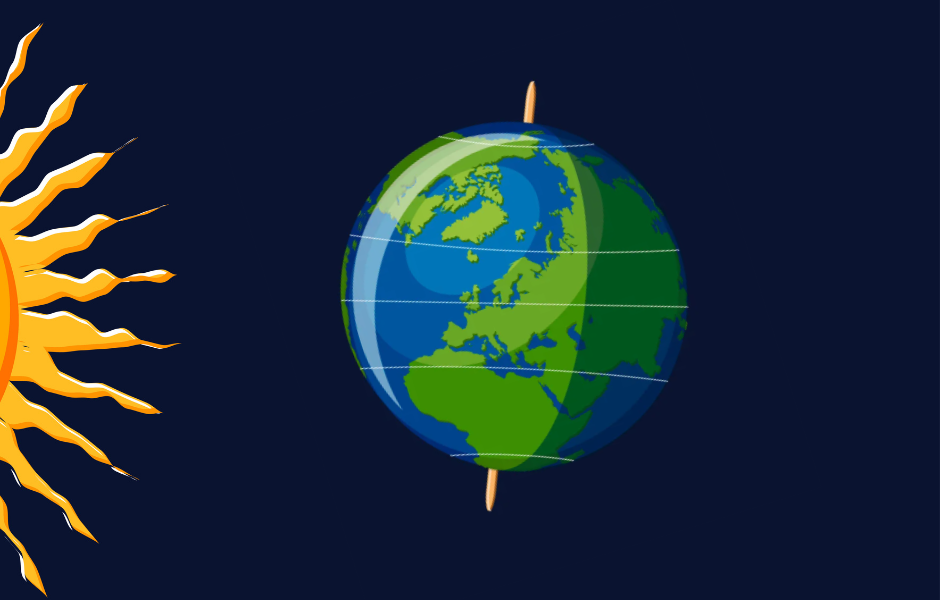
Earth is a big planet, and different places get different amounts of sunlight, heat, and rain. Some countries are close to the Equator and stay warm for most of the year. Other places are closer to the North or South Pole and have long, cold winters. Mountains, oceans, and deserts also change how weather behaves in different regions.
This means that weather is never the same everywhere at once.
Seasons help us know what to expect
Most places on Earth have seasons. These seasons help people guess what the weather might be like at different times of the year. Summer is often warmer. Winter is usually colder. Spring and autumn can bring changing temperatures and more rain or wind.
People use this knowledge to plan their lives. Farmers decide when to plant crops. Families choose what clothes to wear. Schools and cities prepare for snow, heat, or heavy rain depending on the season.
Even with seasons, weather is not always predictable.
When weather becomes extreme
Sometimes the weather does something unusual. This is called extreme weather. Extreme weather can include very heavy rain, long dry periods, powerful storms, or unusually high or low temperatures.
Floods can happen when too much rain falls in a short time and rivers overflow, like the floods that happened in Argentina last May. Droughts can occur when there is very little rain for many months and the land dries out. Storms can bring strong winds that damage buildings and trees, like Super Typhoon Ragasa that recently hit Taiwan, Hong Kong, and southern China.
These events do not happen all the time, but they can have a big effect on people, animals, and the environment.
Recent weather around the world
In recent weeks, very different kinds of weather have been happening in places around the world.
Flooding in Spain and Portugal
A storm called Storm Leonardo brought very heavy rain to parts of Spain and Portugal. Rivers rose quickly, flooding streets and low-lying areas in some towns. Roads were closed, and safety warnings were issued while emergency services worked to help affected communities.
Cold and snow in North America
At the same time, a powerful winter storm swept across large areas of North America. Heavy snow, ice, and freezing temperatures caused travel disruption and power cuts in several regions. In some places, schools closed and people were advised to avoid unnecessary journeys.
Heat and dry weather in Australia
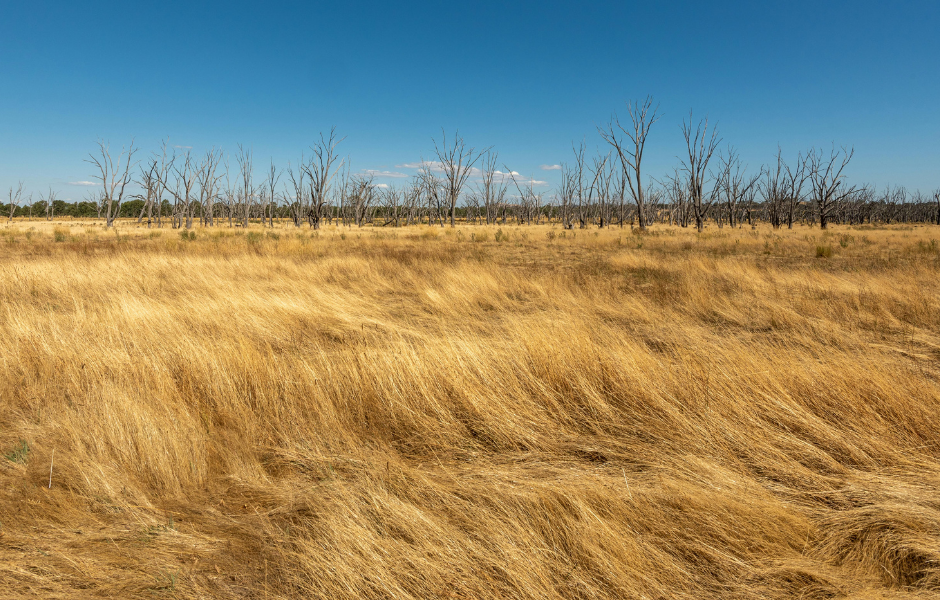
In Australia, the weather has been very different. Some areas have experienced hotter-than-usual summer temperatures and dry conditions. Hot and dry weather can increase the risk of drought and bushfires, especially when rain is limited.
One planet, many kinds of weather
All of this shows one important idea. Your weather today is not everyone’s weather today.
While one place might be sunny and warm, another could be cold, wet, or windy. Learning about weather around the world helps us understand how connected our planet is and why preparing for different weather matters.
Article vocabulary list
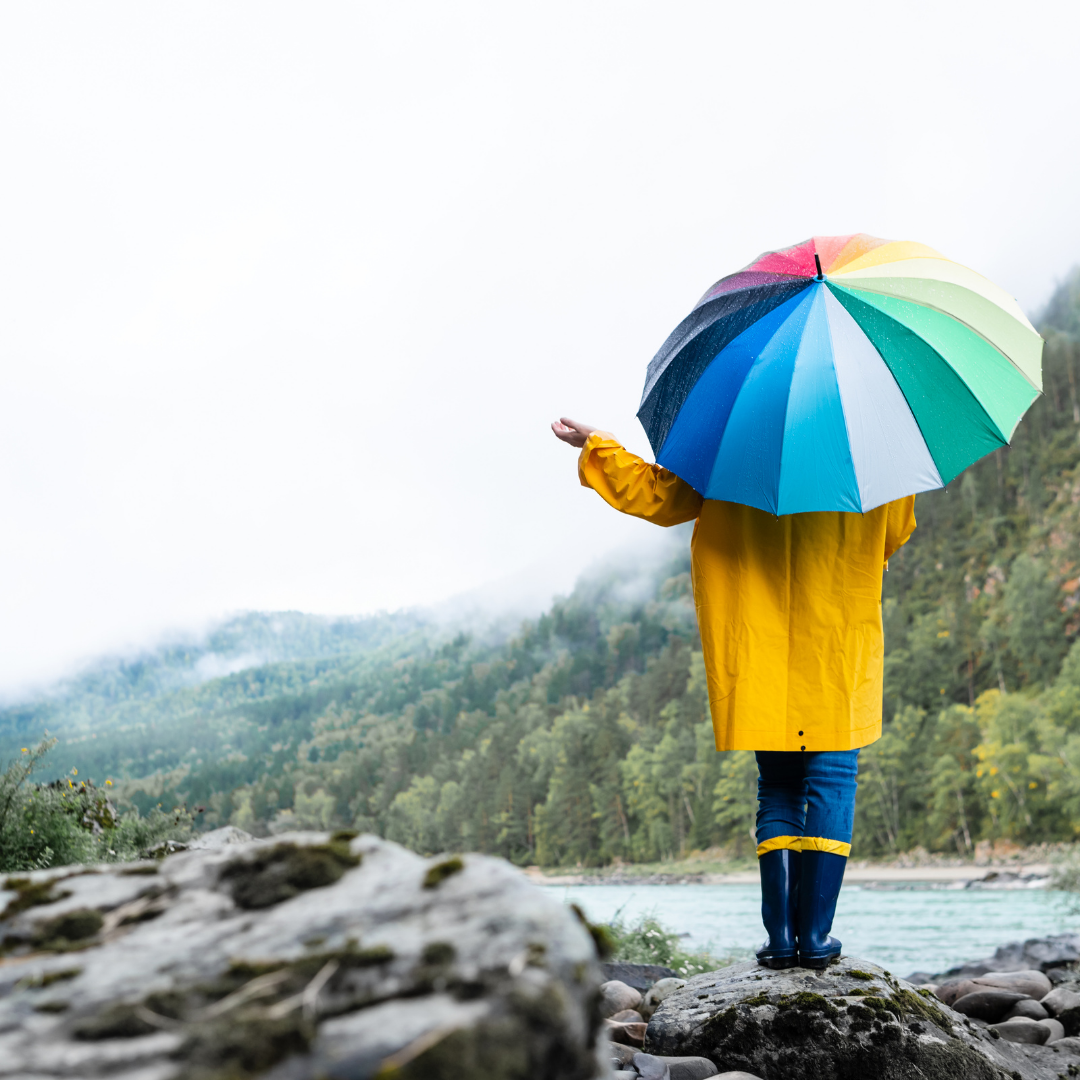
- Weather: The conditions outside, such as rain, snow, heat, or wind.
- Season: A time of year with typical weather, such as summer or winter.
- Flooding: When water covers land that is usually dry.
- Extreme: Very unusual or much stronger than normal.
- Drought: A long period with very little or no rain.
- Bushfires: Large fires that spread quickly through dry land and vegetation.
- Temperature: How hot or cold something is.
Comprehension questions
Just click the plus (+) to see the answer
1. Why can the weather be different around the world at the same time?
a) The Sun only shines on some countries
b) Different places receive different amounts of heat, rain, and sunlight
c) Weather changes every hour everywhere
Answer: b) Different places receive different amounts of heat, rain, and sunlight
2. What do seasons help people understand?
a) Where storms will happen
b) What kind of weather is likely during the year
c) How fast the wind moves
Answer: b) What kind of weather is likely during the year
3. What kind of weather affected parts of Spain and Portugal recently?
a) Extreme heat
b) Heavy snow
c) Very heavy rain and flooding
Answer: c) Very heavy rain and flooding
4. What problems were caused by the winter storm in North America?
a) Drought and wildfires
b) Snow, ice, travel disruption, and power cuts
c) Flooding in towns
Answer: b) Snow, ice, travel disruption, and power cuts
5. Which weather conditions were described in parts of Australia?
a) Cold and icy
b) Windy and wet
c) Hot and dry
Answer: c) Hot and dry
6. What is one risk linked to hot and dry weather?
a) Flooding
b) Avalanches
c) Drought and bushfires
Answer: c) Drought and bushfires

Sinead is a writer and EFL teacher with eight years’ experience. She’s a native English speaker who loves making news stories fun and easy to understand for children around the world. Her passions include travel, animals, and helping to make the world a kinder, more sustainable place.