
This children’s article, The history of pasta and how it became a world favourite, has been written for native English speakers and learners of English as a second or foreign language. It can help children practise reading and comprehension, learn useful food-related vocabulary, and discover how one of the world’s most popular meals began and spread across the globe. Written by Mark Pulley, a teacher and writer who creates fun and informative news articles for English learners.
Pasta’s beginnings in the Mediterranean
The story of pasta began thousands of years ago in the Mediterranean region, where early communities cultivated wheat and learned how to grind it into flour. Mixing flour with water created a simple dough that could be shaped and dried.
Some of the earliest records of pasta-like foods come from ancient Greece and Rome. People made flat sheets or long strips of dough and cooked them over fires or in boiling water. These early versions were not exactly like modern pasta, but the idea was already taking shape.
Drying the dough was an important step. Dried pasta could be stored for longer and carried on long journeys. This made it especially useful for traders and sailors travelling across the Mediterranean Sea.
How pasta developed in Italy
Italy became the home of pasta over many centuries, just as it did with pizza. Warm weather and the fresh sea air were perfect for drying long strands of dough outside. Different regions began to experiment with shapes, sizes, and thicknesses.
In southern Italy, durum wheat was widely used. This type of wheat makes pasta firm and slightly chewy when cooked. Pasta slowly became a regular food, not just something eaten on special occasions.
Tomato sauce arrived much later, after tomatoes were brought to Europe from the Americas. When pasta and tomato sauce were finally paired together, one of the world’s most famous food combinations was born.
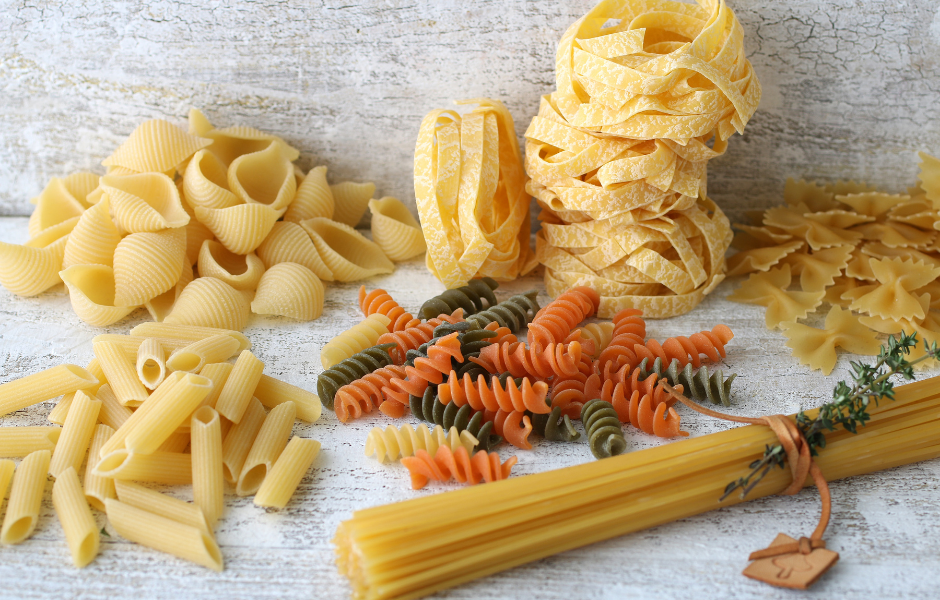
Why does pasta have so many shapes?
Pasta comes in hundreds of shapes, and each one has a purpose. Long shapes like spaghetti hold smooth sauces well, while short shapes like penne trap sauce inside their tubes. Some shapes are designed to be baked, while others are best served in soups.
Many shapes were created by hand using simple tools. Over time, families and towns became proud of their local pasta styles. These shapes were passed down through generations.
The variety also makes pasta fun to eat. A bowl of colourful shapes can turn a simple meal into something exciting and memorable.
Popular pasta around the world
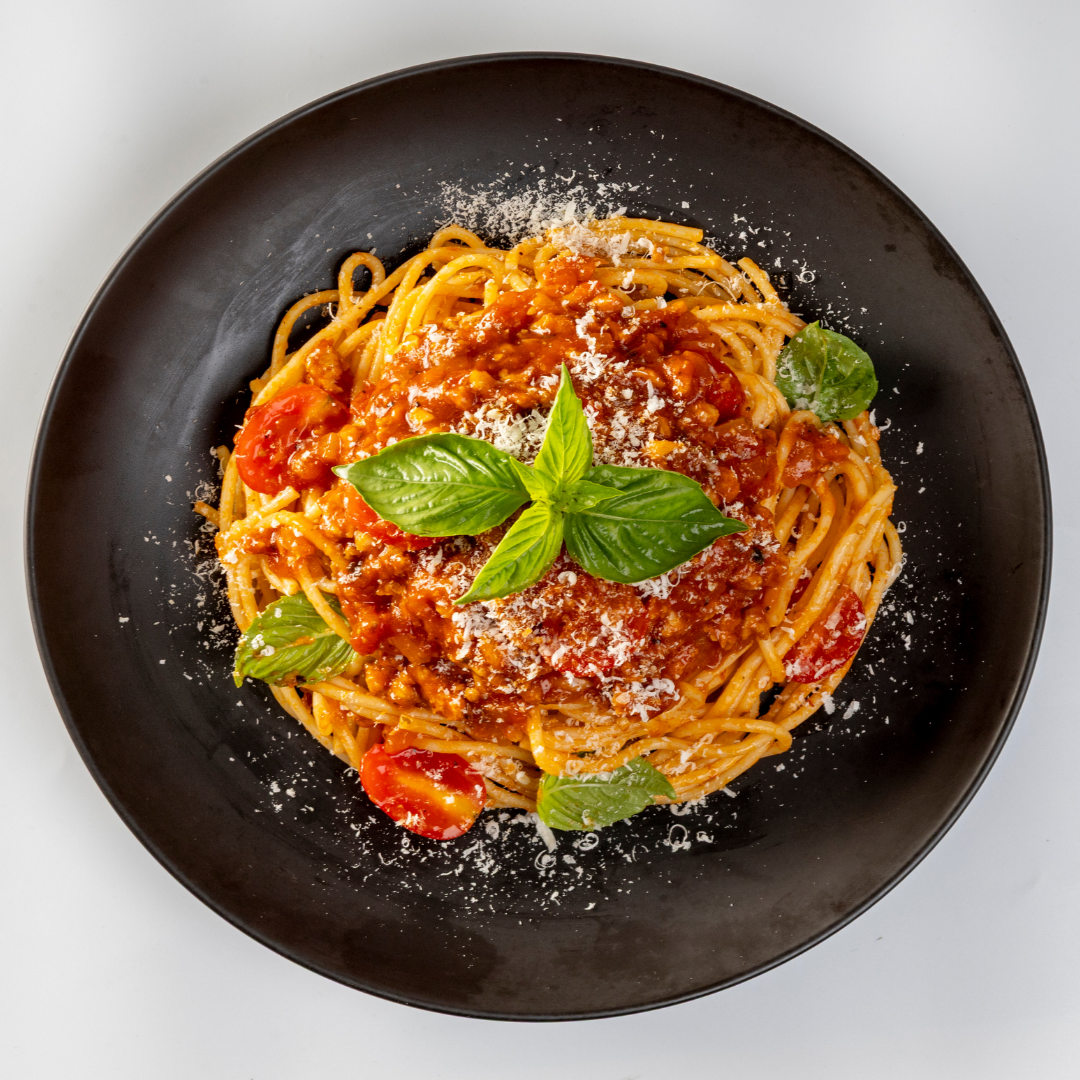
Today, pasta is eaten all over the world. Dishes like spaghetti bolognese, lasagne, and macaroni cheese are enjoyed in homes and restaurants worldwide. Each country often adds its own ingredients and flavours.
Pasta is popular because it is affordable, filling, and easy to cook. It can be served with vegetables, cheese, and meat, along with sauces of many flavours. This flexibility helps explain why it has spread so far.
To learn more about how to make pasta watch this video on YouTube.
Article vocabulary list
- Mediterranean: The region around the Mediterranean Sea, including parts of Europe, Africa, and the Middle East.
- Dough: A thick mixture made from flour and water.
- Durum wheat: A hard type of wheat used to make strong pasta.
- Region: An area of a country with its own features or traditions.
- Generation: A group of people born around the same time.
- Flexible: Able to change or be used in different ways.
- Tradition: Something done or passed down over a long time.
Comprehension questions
Just click the plus (+) to see the answer
1. Where did the earliest pasta-like foods begin?
a) Northern Europe
b) The Mediterranean region
c) South America
Answer: b) The Mediterranean region
2. Why was drying pasta important in early times?
a) It made pasta colourful
b) It helped pasta cook faster
c) It allowed pasta to last longer
Answer: c) It allowed pasta to last longer
3. What type of wheat helped Italian pasta become firm and chewy?
a) Rice wheat
b) Durum wheat
c) Sweet wheat
Answer: b) Durum wheat
4. Why do different pasta shapes exist?
a) To make cooking more difficult
b) To help hold different sauces
c) To stop pasta boiling
Answer: b) To help hold different sauces
5. Why is pasta popular around the world today?
a) It is expensive and rare
b) It only tastes good in Italy
c) It is affordable and easy to cook
Answer: c) It is affordable and easy to cook

Mark is a writer and EFL teacher from England with eight years’ experience. He’s passionate about travel, sport (especially football), animals, nature, and history, and enjoys helping children explore the world through language and learning.