This children’s article, A kids’ guide to judo, has been written for native English speakers and learners of English as a second or foreign language. It can help children build vocabulary, learn about martial arts, and discover the history and values of judo. Written by Mark Pulley, a teacher and writer who creates fun and informative news articles for English learners.
The history of judo
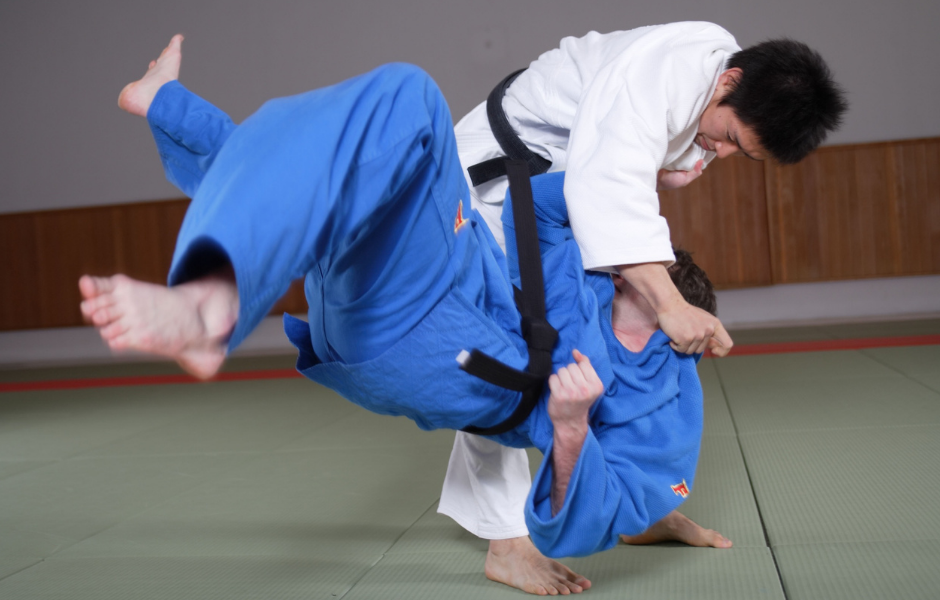
Judo began in Japan in the late 1800s, created by a man named Jigoro Kano. He wanted a sport that wasn’t just about strength, but also about skill, respect, and self-control. Judo means “the gentle way” in Japanese. Instead of kicking or punching, it focuses on throws, holds, and using your opponent’s energy against them.
Over time, judo spread around the world and became very popular. In 1964, it became the first Asian martial art to be included in the Olympic Games, and it has stayed there ever since.
The belt system
One of the most exciting parts of learning judo is earning your belts. Beginners start with a white belt, and as they improve, they work through colours like yellow, orange, green, blue, and brown. Each new belt shows you’ve learned more skills and discipline.
The famous black belt comes after years of practice. But even then, there are different levels of black belt to achieve. The belt system isn’t just about fighting; it’s about showing progress, patience, and respect for the sport.
What’s the purpose of judo?
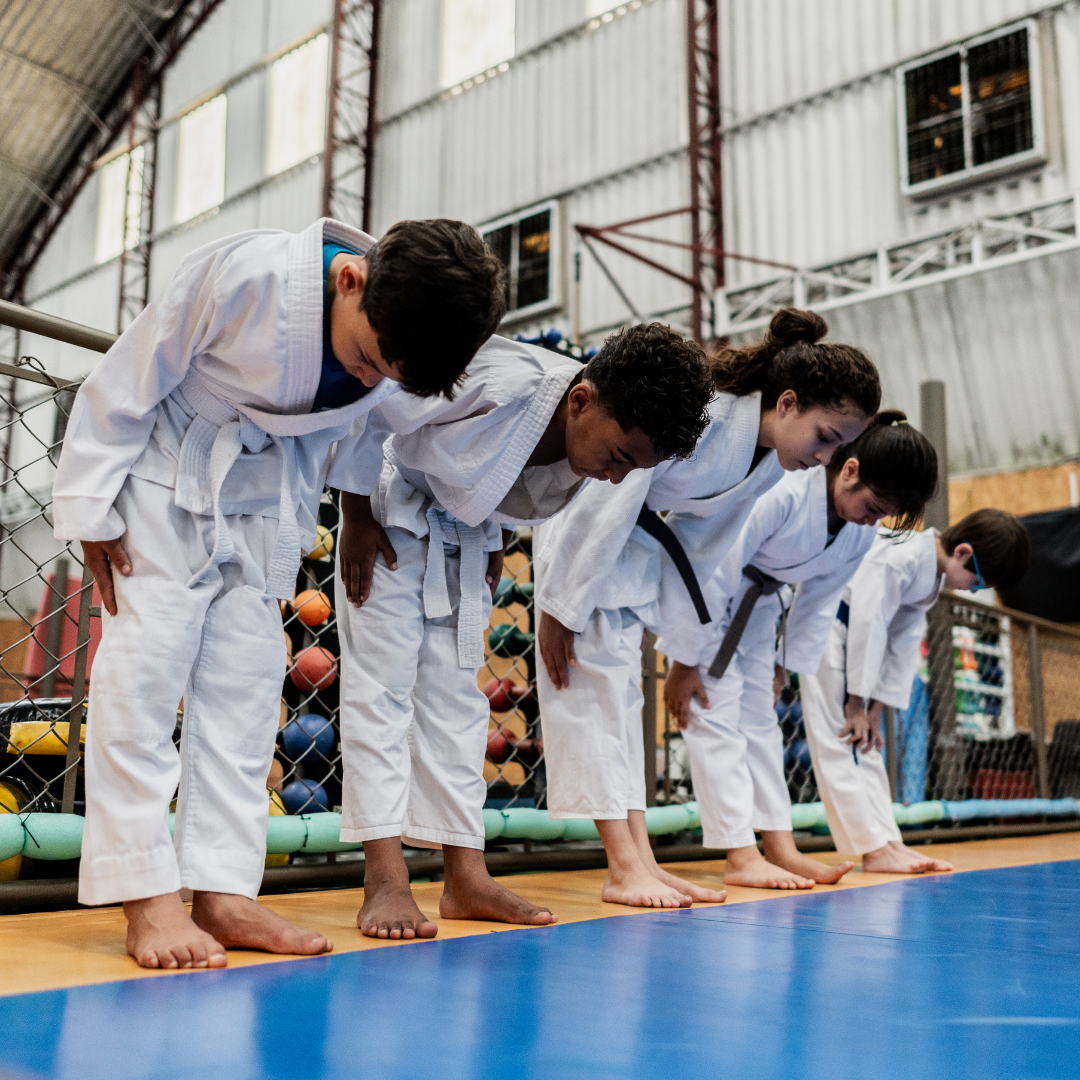
At first glance, judo might look like two people just wrestling each other to the ground. But the purpose goes deeper than that. Judo teaches self-defence, discipline, and how to stay calm under pressure. It also encourages fairness and respect for your opponent, which is why judo matches always start and finish with a bow.
For many people, judo isn’t just a sport; it’s a way to build confidence, improve fitness, and even make friends.
Big judo competitions
Judo is a global sport, and the biggest stage of all is the Olympic Games, where judokas (that’s what judo athletes are called) compete for gold medals. Another huge event is the Judo World Championships, which happens every year and brings together the best fighters from across the globe.
There are also continental championships, such as the European or Asian Judo Championships, which give younger athletes the chance to test their skills before moving on to world level.
Article vocabulary list
- Martial art: A sport or practice for fighting and self-defence.
- Opponent: The person you compete against in a sport or game.
- Discipline: Self-control and training to follow rules.
- Judoka: The name for someone who practises judo.
- Respect: Treating someone in a polite and fair way.
- Competition: An organised event where people try to win.
- Olympics: An international sports event held every four years.
- Technique: A special way of doing something, like a move in judo.
Comprehension questions
Just click the plus (+) to see the answer
1. Who created judo in the 1800s?
A) Bruce Lee
B) Jigoro Kano
C) Mondo Duplantis
Answer: B) Jigoro Kano
2. What does the word “judo” mean?
A) The strong way
B) The fighting way
C) The gentle way
Answer: C) The gentle way
3. What colour belt do beginners usually start with?
A) White
B) Green
C) Blue
Answer: A) White
4. Why do judo players bow before and after a match?
A) To start the timer
B) To show respect
C) To celebrate victory
Answer: B) To show respect
5. Where do the best judo athletes compete for medals?
A) The World Cup
B) The Olympic Games
C) The Dragon Boat Festival
Answer: B) The Olympic Games

Mark is a writer and EFL teacher from England with eight years’ experience. He’s passionate about travel, sport (especially football), animals, nature, and history, and enjoys helping children explore the world through language and learning.