This children’s article, Red squirrels return to the Highlands: a kids’ guide to a conservation success story, has been written for native English speakers and learners of English as a second or foreign language. It can help children practise reading and comprehension, learn useful vocabulary, and explore a recent nature and wildlife story from Scotland. Written by Sinead, an experienced English teacher and writer.
A tiny creature with a big comeback
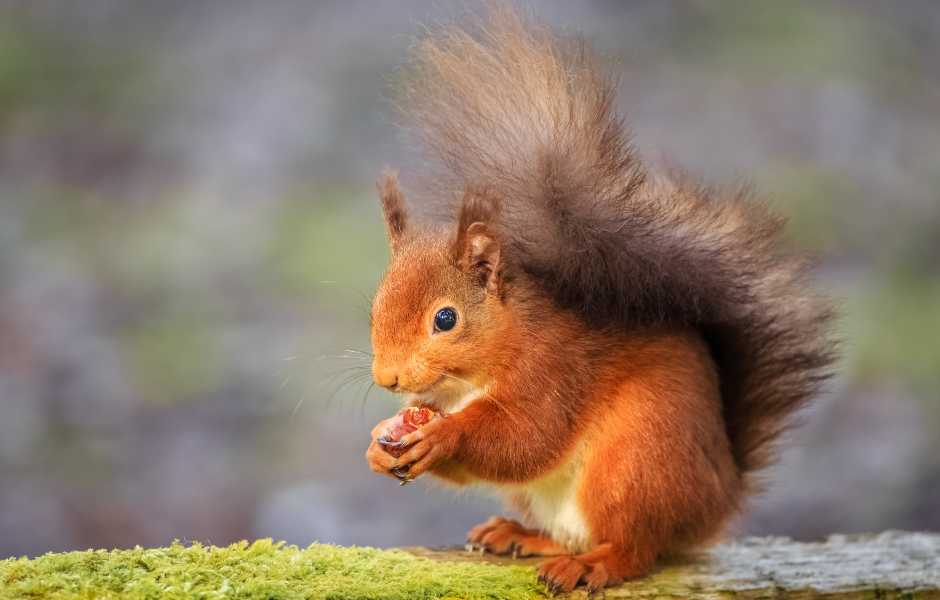
Imagine walking through a forest in the Scottish Highlands and hearing the rustle of tiny feet in the trees. For decades, the bright red coat of the red squirrel was becoming more and more rare in many parts of Britain.
These furry creatures once lived all over forests across the UK, but changes in forests, competition from other animals, and disease made them disappear from many places.
Recently, however, something hopeful has happened. Red squirrels are returning in larger numbers after a long-running conservation project that has helped expand their range by more than a quarter in just ten years.
Why red squirrels were in trouble
Many woodland areas changed when trees were cut down, and cities and towns expanded. An even bigger problem was the arrival of a new species called the grey squirrel, which came from North America. The greys can eat more types of food and spread a virus called squirrel pox that makes red squirrels very sick. Because of these threats, red squirrels vanished from many parts of the country.
How reintroduction is helping
A charity called Trees for Life has been working on a special project in the Scottish Highlands to help red squirrels make a comeback.
Groups of healthy red squirrels have been carefully moved from areas where there were enough already to places where they had disappeared. These new homes often have fewer grey squirrels and better forest food and shelter. In some places, teams even give the squirrels extra food and monitor how well they are settling in.
After a decade of work, surveys show that red squirrels now live in more than twelve new populations across the Highlands where they had been missing. Their range has increased by over 25 per cent.
A win for forests, people and nature
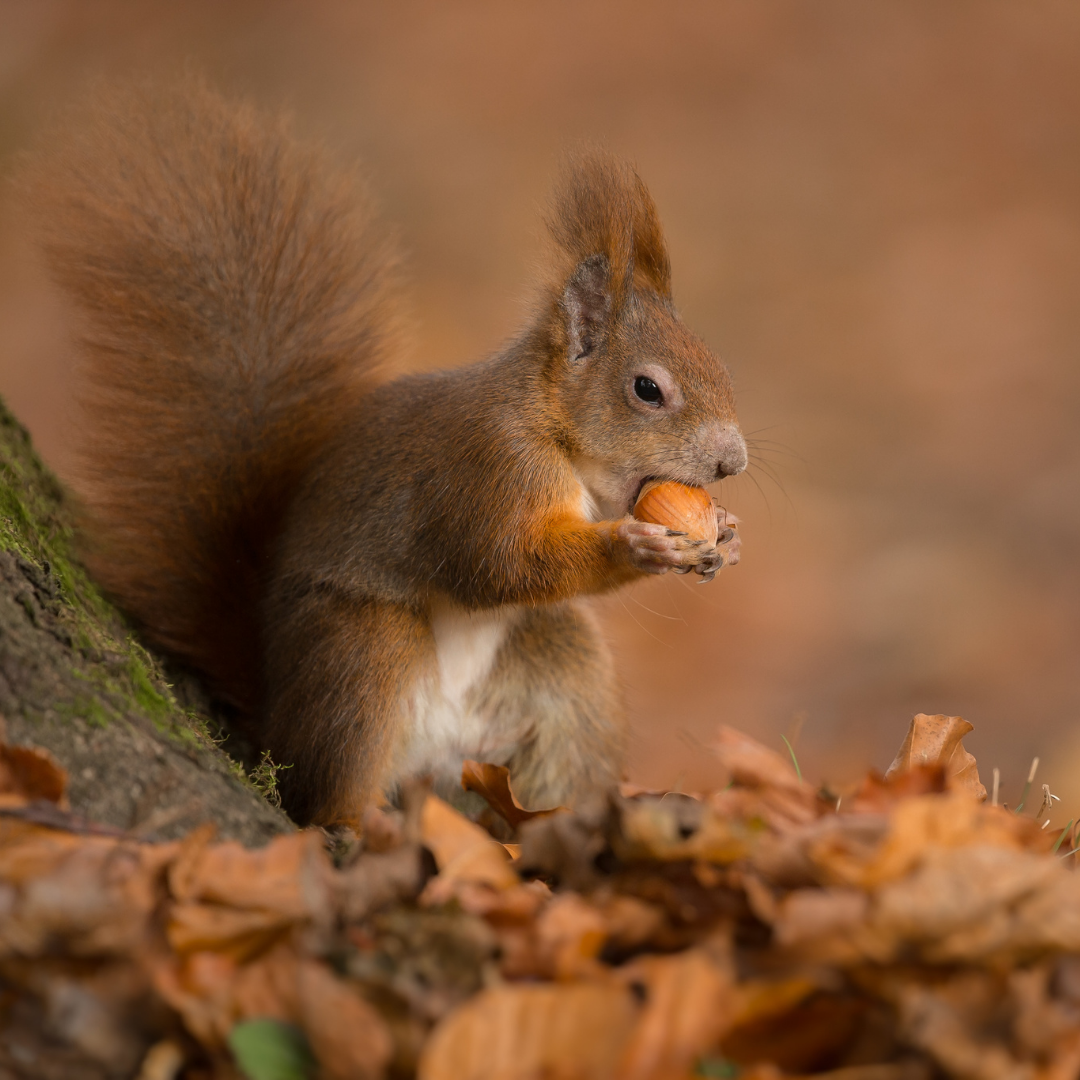
This success story is exciting for people who love nature. Red squirrels are important for healthy woodlands because they help spread seeds and nuts, which can grow into new trees. Projects like this show how people and animals can share habitats and help each other thrive.
Learn more about this rewilding project on the Tree For Life website.
Article vocabulary list
- Conservation: Efforts to protect animals, plants, and their habitats.
- Reintroduction: Moving animals back to places where they used to live.
- Range: The area where an animal species lives.
- Native: A species that lives naturally in a place.
- Survey: A way of counting or studying animals to see how many there are.
- Habitat: The natural environment where an animal lives.
- Population: The number of animals of one species in a place.
- Threat: Something that could harm an animal or environment.
Comprehension questions
Just click the plus (+) to see the answer
1. Why were red squirrels becoming rare in many parts of Britain?
a) There was no food for them
b) Houses were built in forests
c) Grey squirrels and disease affected them
Answer: c) Grey squirrels and disease affected them
2. What is the main goal of the reintroduction project in the Highlands?
a) To build new homes for people
b) To help red squirrels return to places they had disappeared
c) To teach squirrels to swim
Answer: b) To help red squirrels return to places they had disappeared
3. What does “native” mean?
a) A species that lives naturally in a place
b) A species imported from another country
c) A species that can live anywhere
Answer: a) A species that lives naturally in a place
4. How much has the red squirrel’s range increased in the Highlands?
a) Less than 10%
b) More than 25%
c) Nearly 100%
Answer: b) More than 25%
5. Which organisation leads the project reintroducing red squirrels?
a) A space agency
b) A tourism company
c) Trees for Life
Answer: c) Trees for Life
6. Why is helping red squirrels good for forests?
a) They make nests for other animals
b) They help spread seeds and nuts
c) They make loud noises at night
Answer: b) They help spread seeds and nuts

Sinead is a writer and EFL teacher with eight years’ experience. She’s a native English speaker who loves making news stories fun and easy to understand for children around the world. Her passions include travel, animals, and helping to make the world a kinder, more sustainable place.