This children’s article, Ramadan 2026: A kids’ guide to the holy month of fasting, has been written for native English speakers and learners of English as a second or foreign language. It can help children practise reading and comprehension, learn useful vocabulary, and understand why Ramadan is such an important and special time for millions of Muslims around the world. Written by Mark Pulley, a teacher and writer who creates fun and informative news articles for English learners.
What is Ramadan, and when is it in 2026?
Ramadan is a holy month in Islam. During this month, Muslims fast from dawn until sunset. Fasting means not eating or drinking during daylight hours. It is a time for prayer, reflection and helping others.
In 2026, Ramadan began on the 17th of February, meaning the first full day of fasting on the 18th. The month is expected to end around 19 March 2026. The exact start and end dates can change slightly because they depend on the sighting of the new moon.
Ramadan lasts for 29 or 30 days. It follows the Islamic lunar calendar, which is based on the moon, so it moves about 10 or 11 days earlier each year in the solar calendar.
Who celebrates Ramadan?
Ramadan is celebrated by Muslims all over the world. More than 1.8 billion Muslims are living in countries across Asia, Africa, Europe, the Americas and Oceania, making Ramadan a truly global event.
Muslims believe that Ramadan is the month when the Qur’an, Islam’s holy book, was first revealed to the Prophet Muhammad. For this reason, it is seen as a deeply spiritual and meaningful time.
Children do not usually have to fast until they reach their teenage years. People who are ill, elderly, travelling, pregnant or breastfeeding may also be excused from fasting. Kindness and understanding are very important during this month.
How do people celebrate Ramadan?
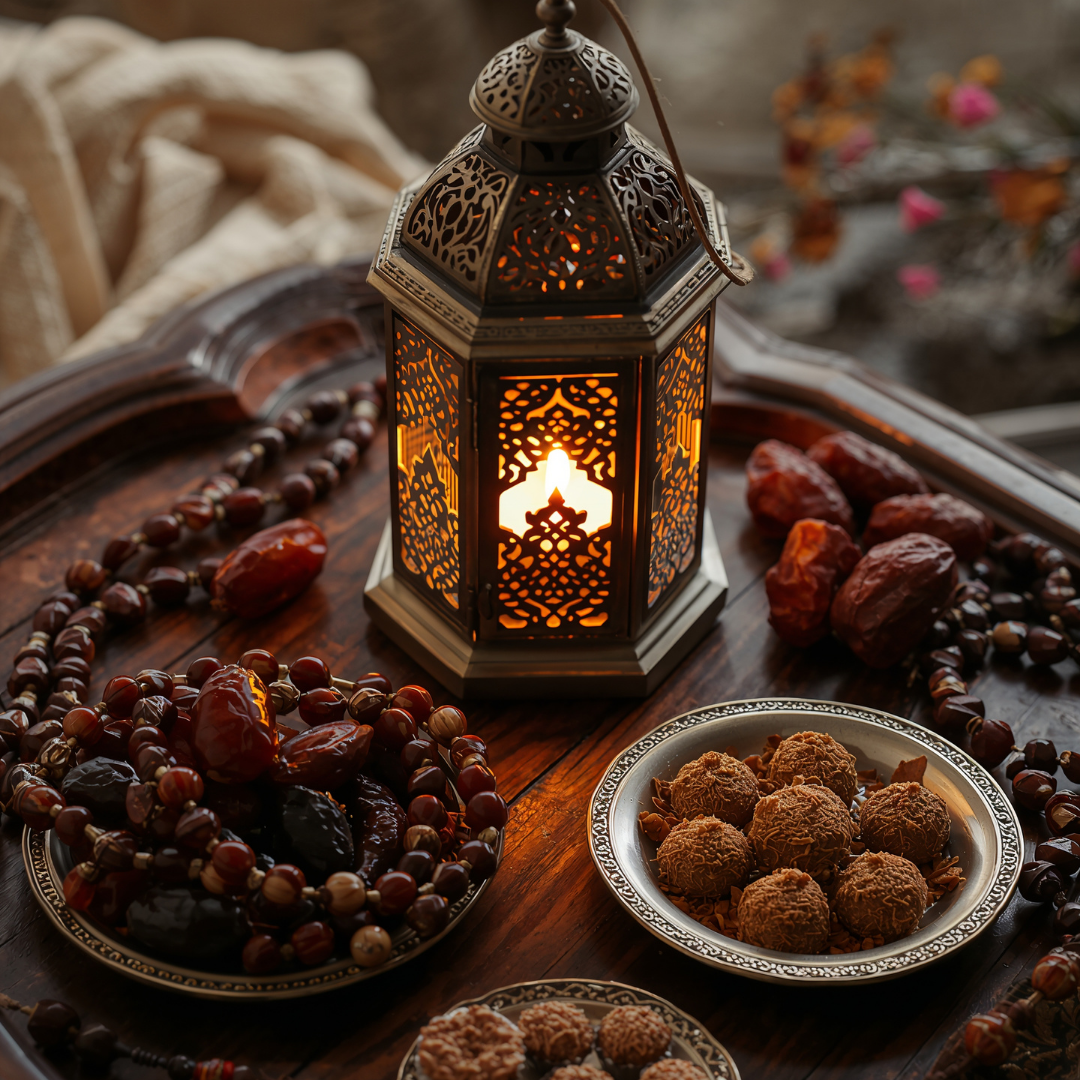
Each day during Ramadan begins before sunrise with a meal called suhoor. After that, Muslims fast until sunset. When the sun goes down, families and friends gather to break the fast with a meal called iftar. Many people begin by eating dates and drinking water.
Ramadan is not only about going without food. It is also about improving yourself. Many Muslims try to pray more, read the Qur’an, give to charity and spend time with family. Helping those in need is a very important part of the month.
The end of Ramadan is celebrated with a festival called Eid al-Fitr. On this day, people wear special clothes, share meals, give gifts and enjoy time together.
A message of hope and kindness
For Muslims, Ramadan is a month of patience, gratitude and generosity. It reminds people to think about those who have less and to care for their neighbours.
Around the world, Ramadan brings families and communities together. Mosques are filled with people praying side by side. Homes are filled with conversation and laughter during the sunset meals.
At its heart, Ramadan is about love, peace and doing good. It encourages people to be kinder, more thoughtful and more thankful for what they have. These are values that people of all backgrounds can understand and appreciate.
Article vocabulary list
- Fasting: Going without food and drink for a period of time.
- Dawn: The time of day when the sun begins to rise.
- Lunar calendar: A calendar that is based on the cycles of the moon.
- Revealed: Shown or given for the first time.
- Charity: Giving help, money or goods to people in need.
- Community: A group of people living in the same place or sharing common interests.Gratitude: A feeling of thankfulness.
Comprehension questions
Just click the plus (+) to see the answer
1. Why can the exact start date of Ramadan change?
a) It depends on the weather
b) It depends on school holidays
c) It depends on the sighting of the new moon
Answer: c) It depends on the sighting of the new moon
2. What is the evening meal called when Muslims break their fast?
a) Iftar
b) Suhoor
c) Eid
Answer: a) Iftar
3. Which holy book is connected to Ramadan?
a) The Bible
b) The Qur’an
c) The Torah
Answer: b) The Qur’an
4. What festival marks the end of Ramadan?
a) Eid al-Fitr
b) Diwali
c) Christmas
Answer: a) Eid al-Fitr
5. What is one important value of Ramadan mentioned in the article?
a) Winning competitions
b) Collecting stamps
c) Kindness and generosity
Answer: c) Kindness and generosity

Mark is a writer and EFL teacher from England with eight years’ experience. He’s passionate about travel, sport (especially football), animals, nature, and history, and enjoys helping children explore the world through language and learning.