This children’s article, Qingming Festival 2026: A children’s guide to Tomb Sweeping Day, has been written for native English speakers and learners of English as a second or foreign language. It can help children practise reading and comprehension, learn useful vocabulary, and explore an important traditional festival celebrated in China and other parts of Asia. Written by Mark Pulley, a teacher and writer who creates fun and informative news articles for English learners.
What is the Qingming Festival, and when is it in 2026?
Qingming Festival, also known as Tomb Sweeping Day, is a traditional festival that takes place in early April each year. In 2026, it falls on 4 April. Itl is mainly celebrated in China, where it is an important public holiday, but it is also marked in other places with Chinese communities around the world, such as Taiwan, Singapore and Malaysia.
The name “Qingming” means “clear and bright”, which describes the fresh spring weather at this time of year. It is a day when families remember their ancestors and take care of their graves.
It is both a quiet and meaningful day, but also one that connects people to nature and the changing seasons.
The history of the Qingming Festival
Qingming Festival has been celebrated for more than 2,000 years. It began as a way to honour ancestors and show respect for family members who have passed away.
One famous story linked to the festival is about a man named Jie Zitui. He was a loyal follower who helped his leader during a difficult time. To remember him, people began lighting fires and later visiting graves. Over time, this became the Qingming Festival we know today.
How people mark the day
Families visit the graves of their ancestors to clean them, remove weeds and place fresh flowers. This is why it is often called Tomb Sweeping Day.
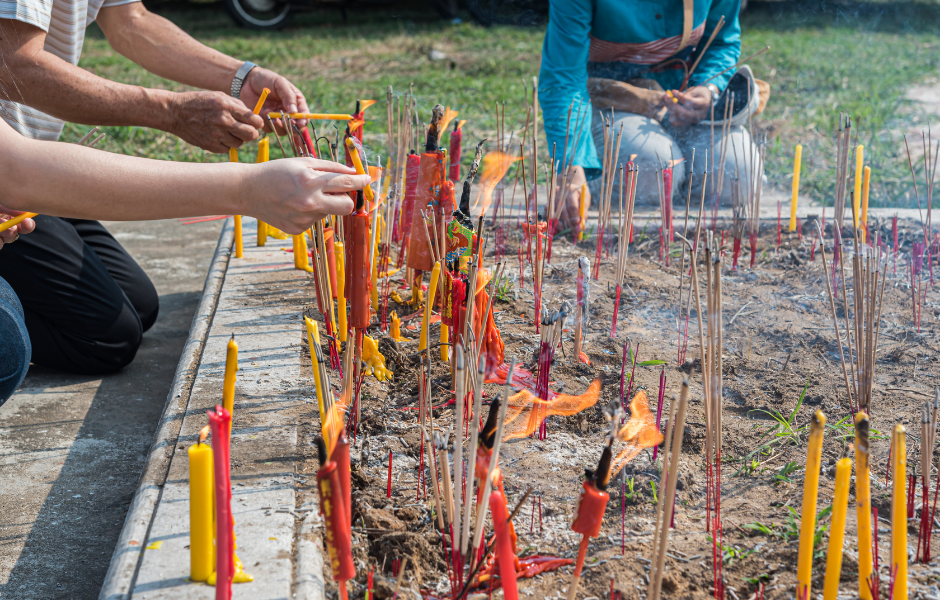
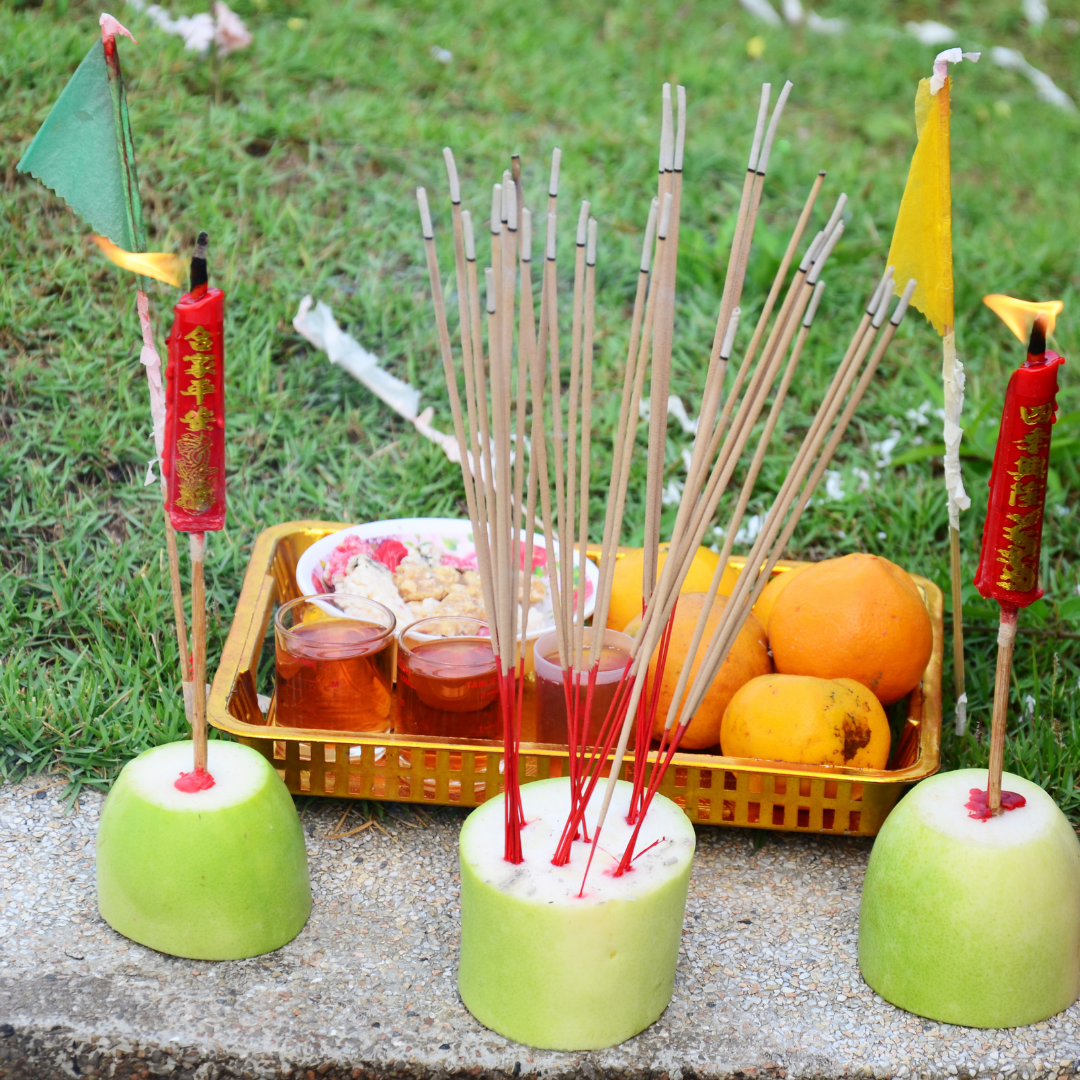
People may also burn incense or paper offerings as a way of showing respect. These actions are part of long traditions that connect families across generations.
The day is not only about remembrance. Many people also go outside to enjoy the spring weather, fly kites or take walks in the countryside.
Food and spring traditions
Qingming Festival also includes special foods that are linked to the season. One traditional food is qingtuan, a soft green dumpling made with rice and filled with sweet ingredients.
These foods are often shared with family during outings, making the day feel both thoughtful and warm.
The festival is a mix of remembrance and renewal. It reminds people of the past while also celebrating the fresh start that spring brings. For more information, you can explore this guide from National Geographic.
Article vocabulary list
- Ancestor: A family member from the past.
- Grave: A place where a person is buried after death.
- Festival: A special day or period of celebration.
- Respect: Showing care and honour to someone.
- Incense: A substance that is burned to produce a pleasant smell.
- Offering: Something given as a sign of respect or love.
- Tradition: A custom followed over many years.
- Countryside: Land outside cities, with fields and nature.
Comprehension questions
Just click the plus (+) to see the answer
1. When is Qingming Festival in 2026?
a) 1 March
b) 4 April
c) 10 May
Answer: b) 4 April
2. What does the name “Qingming” mean?
a) Cold and dark
b) Windy and wet
c) Clear and bright
Answer: c) Clear and bright
3. What do families often do at graves?
a) Build houses
b) Clean and take care of them
c) Paint them blue
Answer: b) Clean and take care of them
4. Who was Jie Zitui?
a) A famous emperor
b) A modern writer
c) A loyal follower from a traditional story
Answer: c) A loyal follower from a traditional story
5. What is qingtuan?
a) A type of drink
b) A green rice dumpling
c) A musical instrument
Answer: b) A green rice dumpling

Mark is a writer and EFL teacher from England with eight years’ experience. He’s passionate about travel, sport (especially football), animals, nature, and history, and enjoys helping children explore the world through language and learning.