This children’s article, Oil explained: The story of the world’s most famous fuel, has been written for native English speakers and learners of English as a second or foreign language. It can help children practise reading and comprehension, learn useful vocabulary, and understand an important natural resource often mentioned in the news. Written by Mark Pulley, a teacher and writer who creates fun and informative news articles for English learners.
What is oil, and how is it made?
Oil is a thick, dark liquid found deep underground. It formed millions of years ago from tiny sea plants and animals that lived in ancient oceans.
When these living things died, they sank to the bottom of the sea. Over a very long time, layers of sand, mud and rock covered them. Heat and pressure slowly changed this ancient material into oil.
Because it takes millions of years to form, oil is called a fossil fuel. This means it cannot easily be replaced once we use it.
What is oil used for?
Oil is one of the most important energy sources in the world. It is used to make fuel for cars, trucks, ships and aeroplanes. Petrol, diesel and jet fuel all come from oil.
But oil is not only used for fuel. It is also used to make many everyday products. These include plastics, some medicines, paints, clothing made from synthetic fibres, and certain cosmetics.
Because oil is used in so many things, it has played a huge role in modern life and global industry.
How is oil taken from the Earth?
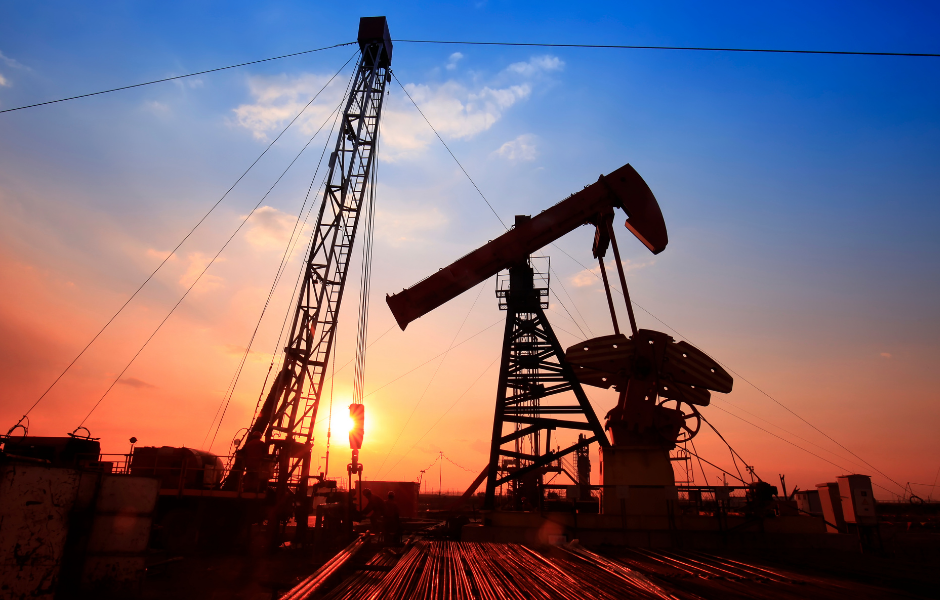
Oil companies find oil by studying rock formations underground and using specialised technology to search for oil deposits. Once oil is discovered, engineers drill deep wells into the ground. Sometimes oil flows up naturally because of pressure underground. In other places, powerful pumps help bring it to the surface.
After it is collected, the oil is transported through pipelines, ships or trucks to refineries. At a refinery, the oil is heated and separated into different fuels and products.
Where is oil found and why does it cause problems?
Oil can be found in many parts of the world, but some regions have much larger supplies. Large oil reserves exist in places such as the Middle East, the United States, Russia and parts of South America.
Because oil is so valuable, countries often compete to control it. In the past, disagreements about oil have caused conflicts between nations.
Oil can also cause environmental problems. Spills from ships or drilling accidents can harm oceans, animals and coastlines.
The future of oil
Many countries are now trying to use less oil, mainly because burning oil creates pollution and releases gases that contribute to climate change. Scientists and engineers are developing cleaner energy sources such as solar power, wind power and electric vehicles. These technologies may reduce the world’s need for oil in the future.
Even so, oil will probably remain important for some time. The challenge for the future is finding better ways to power the world while protecting the planet.
Article vocabulary list
- Fossil fuel: A fuel formed from ancient plants and animals over millions of years.
- Deposit: A natural supply of something found underground.
- Drill: To make a deep hole in the ground using machines.
- Refinery: A factory where crude oil is processed into fuels and other products.
- Reserve: A large known supply of a natural resource.
- Conflict: A serious disagreement or fight between groups or countries.
- Pollution: Harmful substances released into the environment.
Comprehension questions
Just click the plus (+) to see the answer
1. What is oil made from?
A) Melted rocks
B) Ancient sea plants and animals
C) Rainwater
Answer: B) Ancient sea plants and animals
2. Why is oil called a fossil fuel?
A) Because it forms from ancient life over millions of years
B) Because it is found in volcanoes
C) Because it grows quickly underground
Answer: A) Because it forms from ancient life over millions of years
3. Which of these fuels comes from oil?
A) Petrol
B) Wood
C) Coal gas
Answer: A) Petrol
4. What is a refinery used for?
A) Storing oil underground
B) Turning crude oil into fuels and products
C) Finding oil deposits
Answer: B) Turning crude oil into fuels and products
5. Why has oil sometimes caused conflicts between countries?
A) Because it is difficult to transport
B) Because it is very valuable and important
C) Because it cannot be sold
Answer: B) Because it is very valuable and important

Mark is a writer and EFL teacher from England with eight years’ experience. He’s passionate about travel, sport (especially football), animals, nature, and history, and enjoys helping children explore the world through language and learning.