
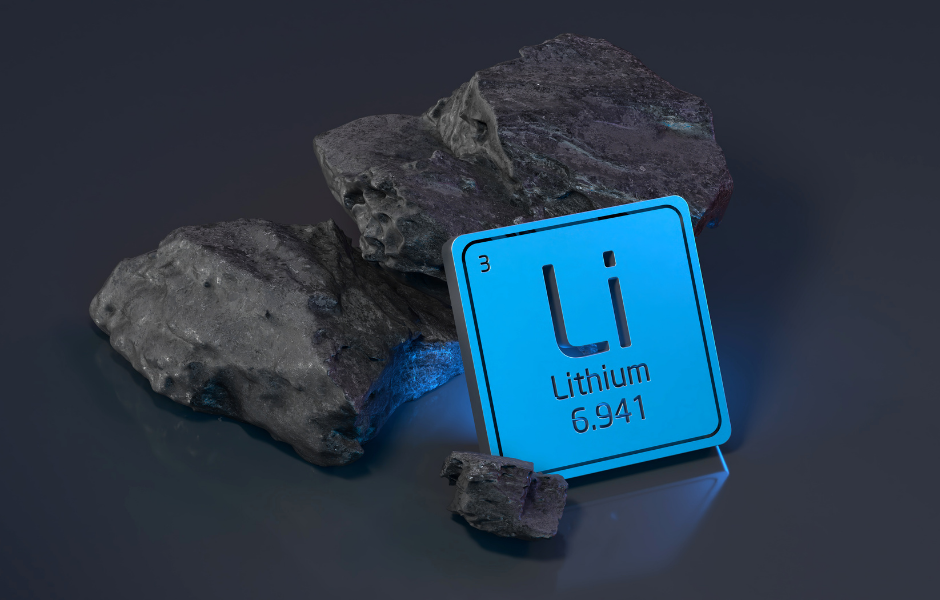
This children’s article, Lithium: A kids’ guide to Earth’s most in-demand metal, has been written for native English speakers and learners of English as a second or foreign language. It can help children practise reading and comprehension, learn useful vocabulary, and understand why lithium has become one of the world’s most important materials. Written by Mark Pulley, a teacher and writer who creates fun and informative news articles for English learners.
What is lithium?
Lithium is a soft, silvery metal found naturally inside rocks and some water that’s found underground. It is the lightest and most in-demand metal on Earth. Many scientists call it the “white gold” of the future because it is so valuable. Mainly because of how useful it is in batteries.
We cannot usually see lithium in its natural form because it reacts quickly with air and water. So, it is carefully removed from the ground and processed in special factories. Once ready, it can be used in many everyday products that we use every day.
How people used lithium in the past
Before electric cars and smartphones became popular, lithium was mostly used in smaller batteries, powering items like cameras, watches, and remote controls. Lithium batteries lasted longer and weighed less than older battery types, which made them very popular.
Lithium has also been used in medicine for over 70 years. Doctors discovered that certain lithium compounds could help treat mood disorders. Today, it is still used to help some patients live healthier lives.
In industry, lithium has been added to glass and ceramics to make them stronger and more resistant to heat. This helped create oven dishes, phone screens, and even parts used in space travel.
Why lithium matters so much today
Lithium is now one of the most important materials in the world because it is essential for modern rechargeable batteries. These batteries power smartphones, tablets, laptops, electric cars, and even homes that store solar energy.
As countries try to reduce pollution and fight climate change, electric vehicles and renewable energy are becoming more popular. This means that the demand for lithium is growing very fast, and many new mines are being planned around the world.In the future, even more machines, tools, space robots and transport systems are likely to rely on batteries. Because of this, lithium is expected to remain one of the world’s most valuable resources for many years to come.
How lithium is mined and collected
Lithium is obtained in two main ways. One method involves mining hard rock, where lithium is trapped inside minerals deep underground. Huge machines dig up the rock, which is then crushed and processed to separate the lithium.
Another method uses salty underground water called brine. In places like Bolivia, Chile, and Argentina, this mineral-rich water is pumped to the surface and left in large pools. Over time, the water evaporates, leaving behind lithium salts that can be collected.
Both methods can damage the environment, especially in dry areas where water is already limited. Scientists and engineers are now working on safer and cleaner ways to collect lithium to protect nature and local communities.
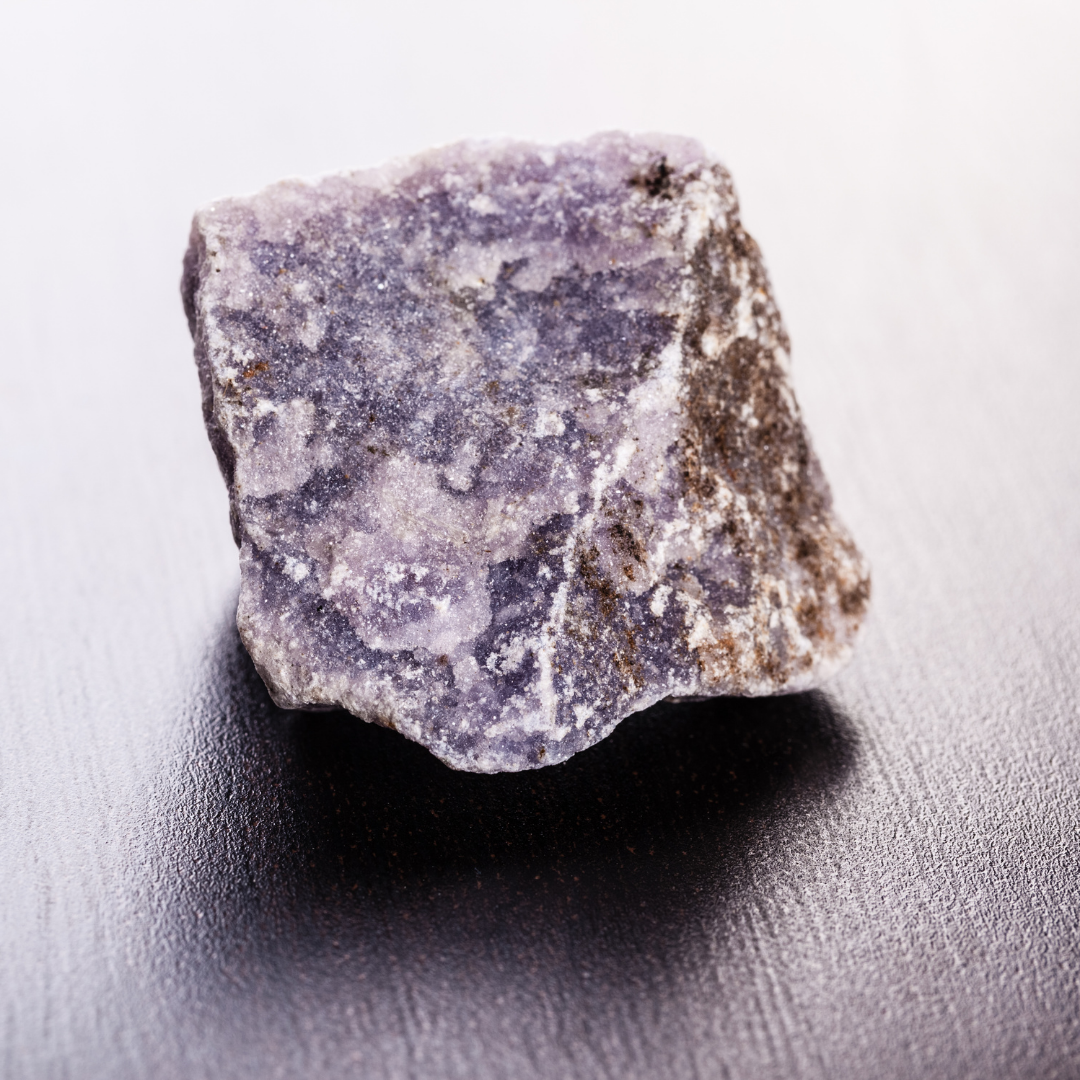
Article vocabulary list
- Lithium: A very light metal used in batteries, medicine, and industry.
- Rechargeable: Able to be used again after being filled with energy.
- Mineral: A natural substance found in rocks or soil.
- Brine: Very salty water that contains minerals.
- Evaporate: To change from liquid into gas, usually because of heat.
- Renewable energy: Power that comes from natural sources like the sun or wind.
- Resource: Something useful that people can use or collect.
- Environment: The natural world around us, including land, water, air, plants, and animals.
Comprehension questions
Just click the plus (+) to see the answer
1. What type of material is lithium?
a) A gas
b) A liquid
c) A metal
Answer: c) A metal
2. Why is lithium important for modern life?
a) It is used to make toys
b) It powers rechargeable batteries
c) It helps plants grow
Answer: b) It powers rechargeable batteries
3. Where is lithium sometimes collected using salty water pools?
a) Canada
b) Japan
c) Bolivia
Answer: c) Bolivia
4. Why are scientists trying to find cleaner ways to collect lithium?
a) To make it taste better
b) To protect the environment
c) To make it heavier
Answer: b) To protect the environment
5. Why might lithium stay important in the future?
a) Because more machines will use batteries
b) Because it changes colour
c) Because it melts easily
Answer: a) Because more machines will use batteries

Mark is a writer and EFL teacher from England with eight years’ experience. He’s passionate about travel, sport (especially football), animals, nature, and history, and enjoys helping children explore the world through language and learning.