This children’s article, Junior Eurovision Song Contest 2025: a kids’ guide to the big music show in Tbilisi, has been written for both native English speakers and learners of English as a second or foreign language. It can help children practise reading and comprehension, learn useful vocabulary, and explore one of the most exciting music events happening this weekend. The contest brings young performers together from many countries to sing, perform, and share their music. Written by Sinead O’Carroll, an experienced English teacher and writer. – Main image credit
A special show just for young performers
The Junior Eurovision Song Contest 2025 takes place this Saturday, 13 December, in Tbilisi, Georgia. The event brings together talented young singers aged 9 to 14 from 18 different countries, each performing an original song live on stage. The show begins at 17:00 Central European Time (CET) and will be broadcast on television and streamed online in many parts of the world.
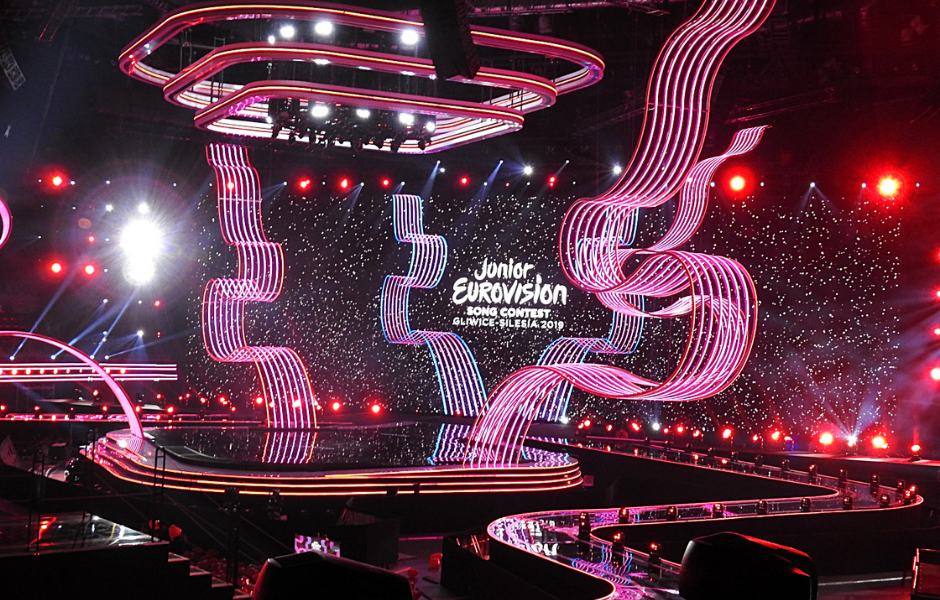
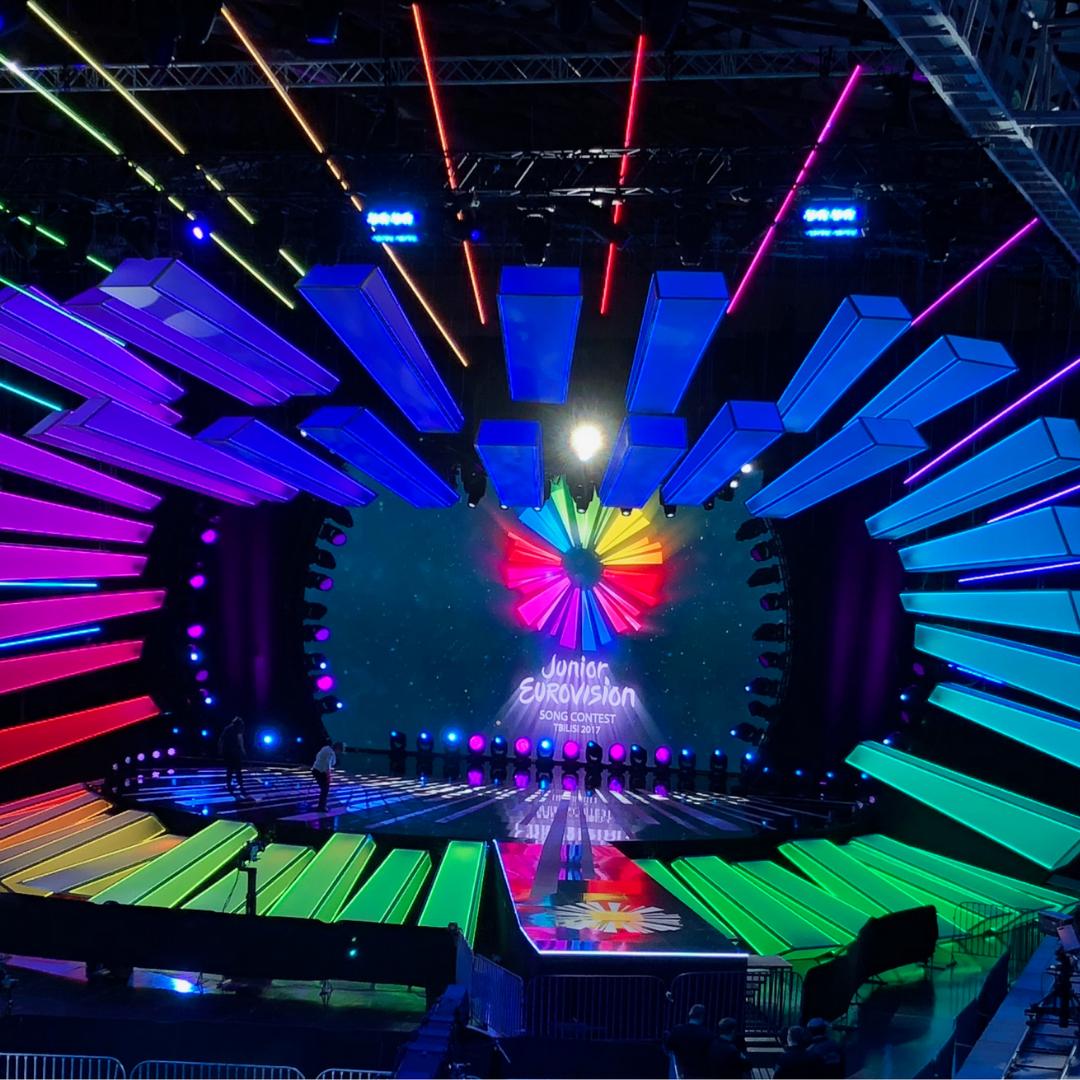
Junior Eurovision is similar to the adult Eurovision Song Contest, but it is designed especially for children and young teens. The focus is on fun, creativity, and sharing music from different countries. Performances often include bright costumes, energetic dances, and songs in a wide range of languages.
What happens during the contest
The show begins with a flag parade, where each performer walks onto the stage holding their country’s flag. After that, each performer then takes their turn to sing their song in front of the live audience.
Once all the songs have been performed, points are awarded. A group of professional judges gives scores, and viewers at home also take part by voting. The performer with the highest total number of points is announced as the winner at the end of the show.
Who is taking part
Eighteen countries are competing in Junior Eurovision 2025, and each country enters a brand-new song written especially for the contest.
Some performers sing in their own language, while others mix languages or include English to reach a wider audience. Many songs focus on themes like friendship, confidence, dreams, and joy.
Taking part in the contest is often an exciting and brave step for young artists, and some go on to become well known in their home countries.
How voting works
Viewers around the world can help decide the winner by voting online at JESC.tv. Voting is free, and people can vote for up to three favourite songs, including their own country if it is taking part. All votes are then turned into points and revealed during the programme.
Watching and joining in
Many families, teachers, and classes enjoy watching Junior Eurovision together. Some listen to the songs before the show and try to predict which performances will be most popular. After the contest, they compare their predictions with the final results.
To find the latest news, videos, and official information, you can visit the Junior Eurovision website: junioreurovision.tv.
Article vocabulary list
- Contest: A competition where people take part to try to win.
- Perform: To sing, act, or play music in front of an audience.
- Original: New and not copied from something else.
- Broadcast: To show or play something on television or radio.
- Audience: The people who watch or listen to a performance.
- Judges: People who give scores or make decisions in a competition.
- Vote: To choose a favourite by giving it a point or mark.
- Themes: The main ideas or messages in a song, story, or artwork.
Comprehension questions
Just click the plus (+) to see the answer
1. Where is the Junior Eurovision Song Contest 2025 taking place?
a) Paris, France
b) Tbilisi, Georgia
c) Rome, Italy
Answer: b) Tbilisi, Georgia
2. How old are the performers in Junior Eurovision?
a) 5 to 8
b) 9 to 14
c) 15 to 18
Answer: b) 9 to 14
3. How many countries are competing in the contest?
a) 18
b) 15
c) 12
Answer: a) 18
4. What happens at the start of the contest?
a) The judges give scores
b) The winner is announced
c) A flag parade takes place
Answer: c) A flag parade takes place
5. Who helps decide the winner of Junior Eurovision?
a) Judges and viewers at home
b) Only the performers
c) Only the judges
Answer: a) Judges and viewers at home
6. How many songs can people vote for online?
a) One
b) Two
c) Up to three
Answer: c) Up to three

Sinead is a writer and EFL teacher with eight years’ experience. She’s a native English speaker who loves making news stories fun and easy to understand for children around the world. Her passions include travel, animals, and helping to make the world a kinder, more sustainable place.