This children’s article, Happy Chinese New Year 2026: Spring Festival explained for kids, has been written for native English speakers and learners of English as a second or foreign language. It can help children practise reading and comprehension, learn useful vocabulary, and understand one of the most important celebrations in the world. Written by Mark Pulley, a teacher and writer who creates fun and informative news articles for English learners.
When is Spring Festival in 2026?
In 2026, the Chinese New Year begins on the 17th of February. The celebration marks the start of the lunar new year, which follows the moon’s cycle rather than the more common solar calendar used globally.
The main holiday lasts for 15 days and ends with the Lantern Festival. Many families in China enjoy a week or more off from school and work. Because it’s based on the moon, the date changes each year, usually falling between late January and mid-February.
How is it celebrated in China and around the world?
Spring Festival is the biggest holiday in China. Before the new year begins, families clean their homes to sweep away bad luck and make space for good fortune. Red decorations are placed on doors and windows, as red is believed to bring happiness and protection.
On New Year’s Eve, families gather for a large meal. Dumplings, fish and sweet rice cakes are popular dishes. Children often receive red envelopes, called hongbao, from older relatives, which contain money for good luck.
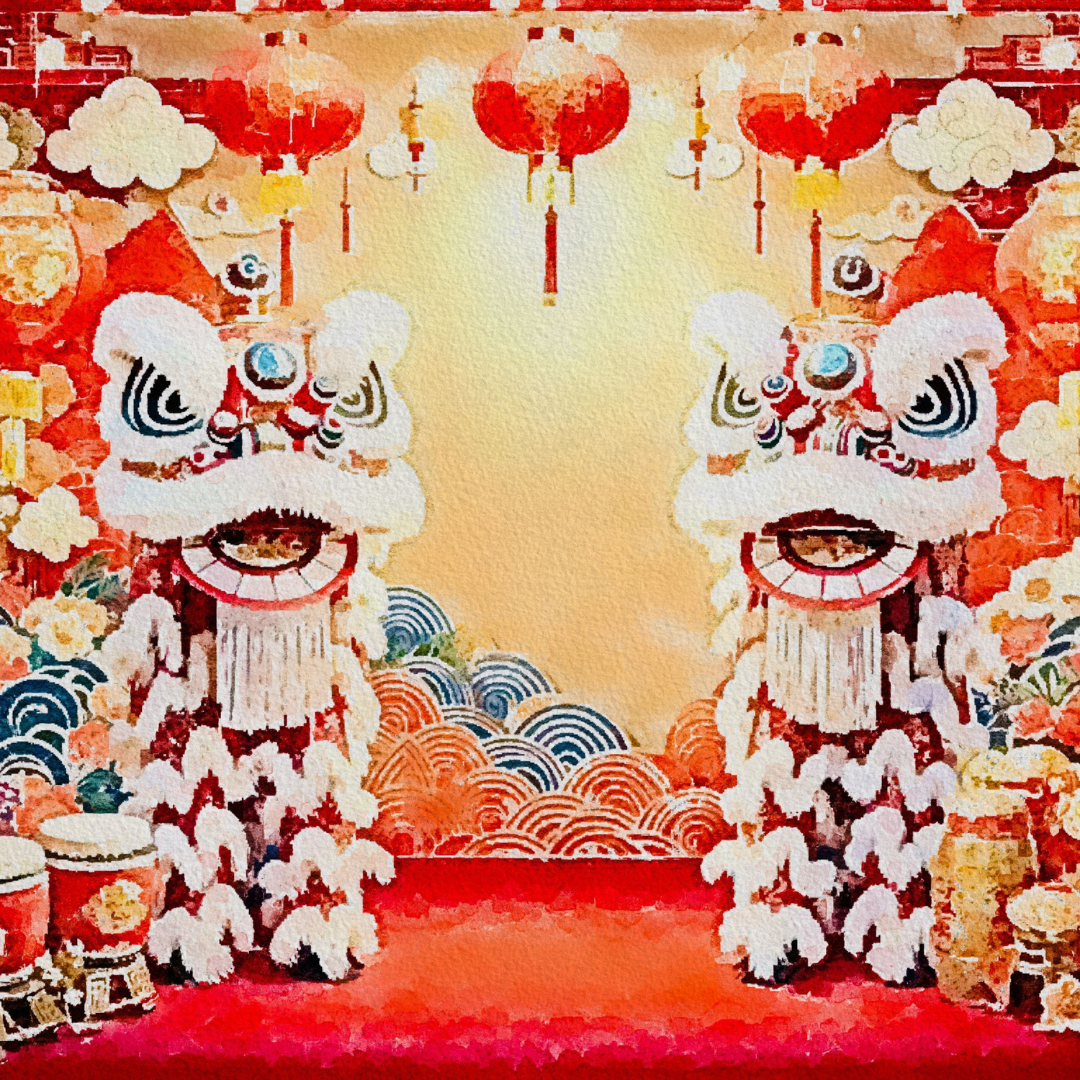
Celebrations are not only held in China. Cities across the world, including London, Singapore and New York, host colourful parades with dragon dances, lion dances and fireworks. It is a global celebration shared by more than a billion people.
The history of the festival
Spring Festival has been celebrated for more than 3,000 years. It began as a way for farming communities to welcome the end of winter and pray for a good harvest.
One famous legend tells of a monster called Nian, who would appear at the start of each year. People discovered that the monster was frightened of loud noises, bright lights and the colour red. Fireworks and red decorations became part of the tradition because of this story.
Over time, the festival grew into a celebration of family, good luck and new beginnings.
The year of the Horse and the 12 animals
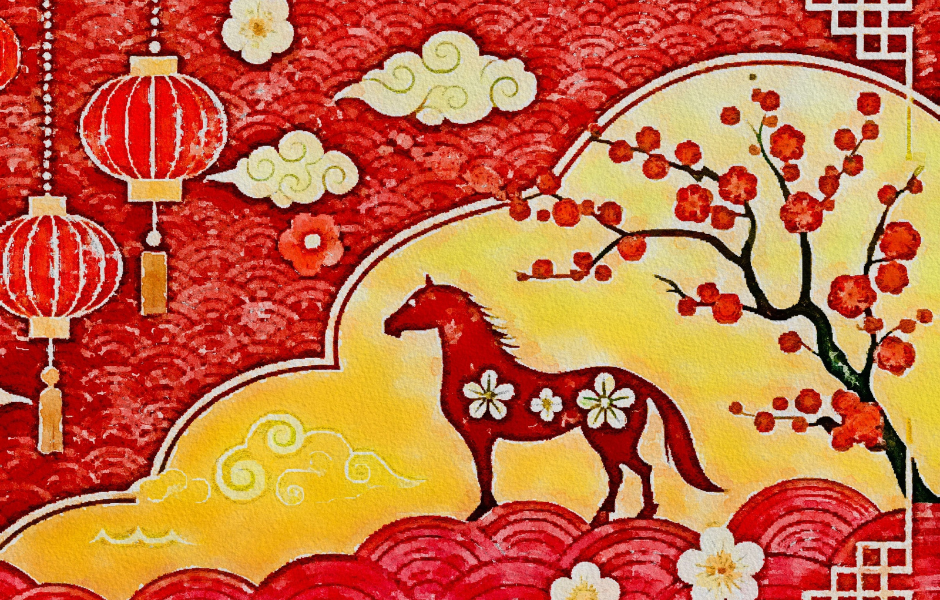
Each lunar year is linked to one of 12 animals in the Chinese zodiac. The animals are Rat, Ox, Tiger, Rabbit, Dragon, Snake, Horse, Goat, Monkey, Rooster, Dog and Pig.
According to legend, the Jade Emperor invited the animals to a great race across a river. The order in which they finished decided the order of the zodiac years. The Horse finished seventh.
People born in the Year of the Horse are said to be energetic, confident and hardworking. The zodiac cycle repeats every 12 years, which means the Year of the Horse comes around regularly.
Spring Festival reminds people to look forward with hope. It celebrates family, culture and fresh starts, making it one of the most joyful times of the year.
Article vocabulary list
- Lunar: Related to the moon.
- Lantern Festival: A celebration at the end of the Chinese New Year with lights and lanterns.
- Decoration: Something used to make a place look special or festive.
- Legend: An old story that may not be completely true.
- Harvest: The time when crops are collected from the fields.
- Zodiac: A system that connects years with different animals.
- Energetic: Full of energy and enthusiasm.
- Fortune: Luck, especially good luck.
Comprehension questions
Just click the plus (+) to see the answer
1. On what date does the Chinese New Year begin in 2026?
a) 1 January
b) 17 February
c) 25 December
Answer: b) 17 February
2. How long does the main Spring Festival celebration last?
a) 7 days
b) 10 days
c) 15 days
Answer: c) 15 days
3. Why do people use red decorations during the festival?
a) It represents snow
b) It is believed to bring good luck
c) It shows the end of summer
Answer: b) It is believed to bring good luck
4. What frightened the monster Nian in the legend?
a) Quiet music
b) Cold weather
c) Loud noises and bright lights
Answer: c) Loud noises and bright lights
5. What do children often receive in red envelopes?
a) Sweets
b) Small toys
c) Money
Answer: c) Money

Mark is a writer and EFL teacher from England with eight years’ experience. He’s passionate about travel, sport (especially football), animals, nature, and history, and enjoys helping children explore the world through language and learning.