This children’s article, European Jiu-Jitsu Championships bring fierce fights to Portugal, has been written for native English speakers and learners of English as a second or foreign language. It can help children practise reading and comprehension, learn useful vocabulary, and discover what happened at a major European sports competition. It also explains what Brazilian Jiu-Jitsu is and how it began. Written by Sinead O’Carroll, an experienced teacher and writer.
A huge competition comes to an end
For the last 10 days, a giant sports hall in Lisbon, Portugal, was filled with the sound of cheering, clapping, and coaches calling out instructions. This was the European Jiu-Jitsu Championships, one of the most important Jiu-Jitsu tournaments of the year.
Thousands of athletes arrived from different countries, carrying their bags and wearing their team colours. Some looked calm and focused. Others bounced on their toes, warming up before their match.
Why this championship is important
The European Championships are not just another tournament. For many fighters, this event is a goal they work towards all year. Winning a medal here can help them become known around the world.
There were competitions for adults, teenagers, and children, with groups based on age, weight, and belt colour. This meant young athletes could compete against others their own size and level. For some children, this was their first time fighting in such a big international event.
Even for those who did not win, the experience mattered. They learned how to stay calm under pressure, how to respect an opponent, and how to keep going after a loss.
What is Brazilian Jiu-Jitsu?
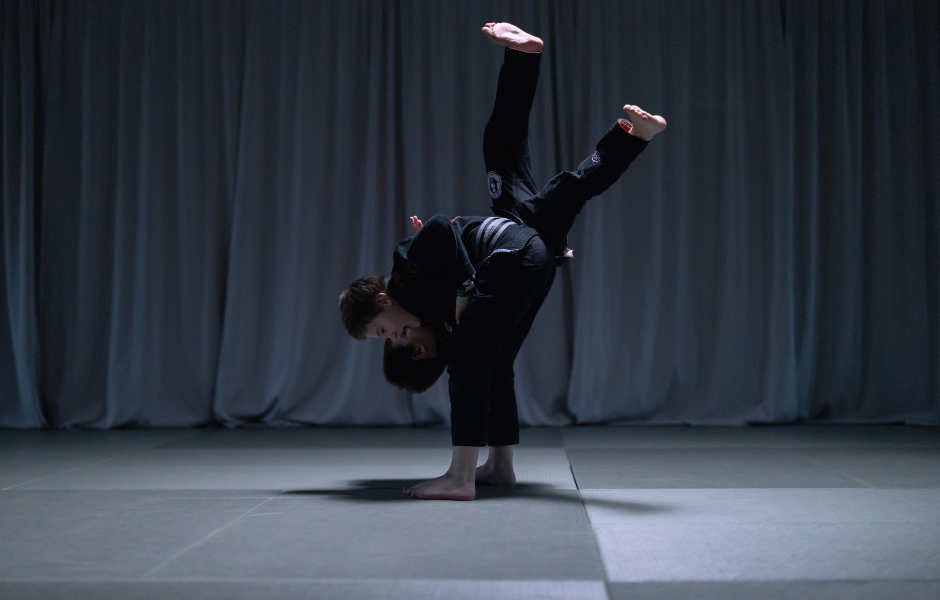
Brazilian Jiu-Jitsu, often called BJJ, is a martial art where fighters use their bodies like puzzles. Instead of punching or kicking, they try to control each other with holds, locks, and clever positions.
In a BJJ match, a fighter can win by making their opponent submit. This usually happens when the other person taps to show they cannot escape safely. If neither fighter wins by submission, referees give points for strong positions and moves, such as taking an opponent down or controlling them on top.
Many people enjoy BJJ because it teaches that size is not everything. A smaller person can sometimes defeat a larger one by using balance, timing, and skill.
How did Brazilian Jiu-Jitsu begin?
The story of Brazilian Jiu-Jitsu began more than 100 years ago. A Japanese martial artist named Mitsuyo Maeda travelled to Brazil and taught Judo techniques to a family called the Gracies.
The family practised and changed what they learned. They focused on fighting on the ground and on using clever movement instead of strength. Over time, their style became known as Brazilian Jiu-Jitsu.
Today, BJJ is practised in gyms and sports clubs across the world. It is also used in mixed martial arts competitions and self-defence classes.
What happens after the championships?
After the final matches, athletes packed away their uniforms and medals and said goodbye to new friends. Some returned home to teach what they had learned. Others went straight back into training for the next competition.
For many young fighters, this championship will be remembered for a long time. It was a place where nerves, hard work, and excitement met on the mat.
You can read more about Brazilian Jiu-Jitsu here: What is Brazilian Jiu-Jitsu
Article vocabulary list
- Athlete: A person who competes in sport.
- Referee: A person who makes sure the rules are followed.
- Technique: A special way of moving or doing something in sport.
- Submit: To give up safely by tapping.
- Grappling: Fighting by holding and controlling instead of striking.
- Competition: An organised event where people try to win.
Comprehension questions
Just click the plus (+) to see the answer
1. Where were the European Jiu-Jitsu Championships held?
a) Madrid
b) Lisbon
c) Rome
Answer: b) Lisbon
2. What sound filled the sports hall during the event?
a) Silence
b) Cheering and coaches’ voices
c) Music
Answer: b) Cheering and coaches’ voices
3. What do fighters do to show they are giving up safely?
a) Lie down
b) Wave
c) Tap the mat
Answer: c) Tap the mat
4. What is the main idea of Brazilian Jiu-Jitsu?
a) Using kicks and punches
b) Using strength only
c) Using skill and control
Answer: c) Using skill and control
5. Who helped inspire Brazilian Jiu-Jitsu in Brazil?
a) Mitsuyo Maeda
b) Pelé
c) Nelson Mandela
Answer: a) Mitsuyo Maeda
6. What might young fighters remember most about this event?
a) Only the medals
b) The experience of competing
c) The food
Answer: b) The experience of competing

Sinead is a writer and EFL teacher with eight years’ experience. She’s a native English speaker who loves making news stories fun and easy to understand for children around the world. Her passions include travel, animals, and helping to make the world a kinder, more sustainable place.