This children’s article, Australia’s big new rule: social media banned for under-16s, has been written for native English speakers and learners of English as a second or foreign language. It helps young readers understand what’s changing, why the government made the rule, and what it means for children who use apps like TikTok, Instagram or YouTube. Written by Mark Pulley, a teacher and writer who creates fun and informative news articles for English learners.
What is the new rule?
In December 2025, Australia introduced a major new law: anyone under 16 is not allowed to have a social media account.
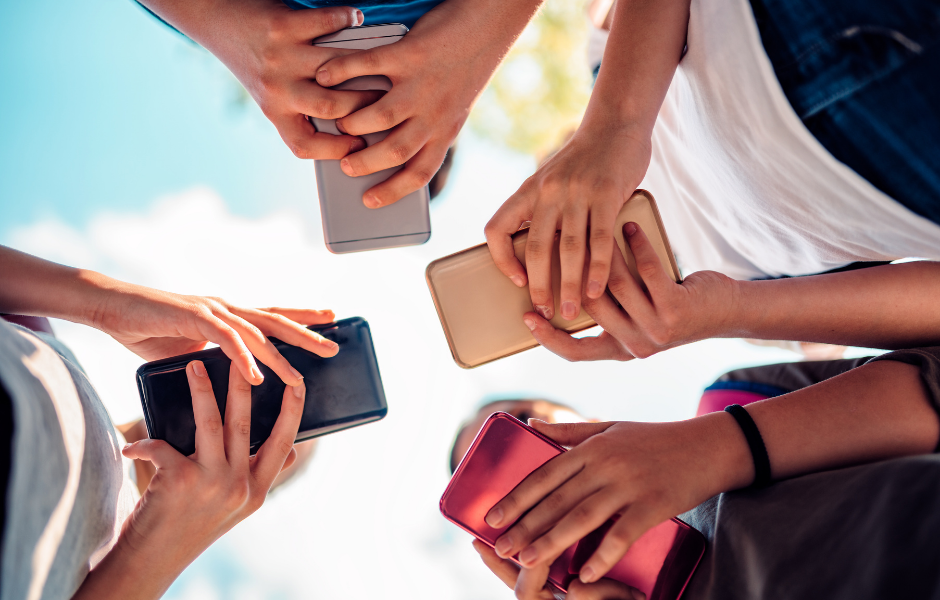
Apps such as TikTok, Instagram, YouTube, Snapchat and others now have to block under-16s or remove their accounts. If they fail to do this, they can be fined huge amounts of money.
Why did Australia decide to do this?
Many parents, teachers and child-safety experts have been worried about the effects of social media on young people. Issues such as cyberbullying, unrealistic body standards, misleading information and too much screen time have caused concern.
The government believes the new rule will help protect children’s mental health and give them more time to enjoy offline hobbies and friendships.
What exactly happens under the ban?
Social media companies must check the ages of their users. They will use technology like age-checking videos, ID checks or digital analysis to estimate a person’s age. If someone is believed to be under 16, the company must deactivate their account.
The system is not perfect, and some young users may still try to slip through, but the aim is to reduce the overall number of under-16s using these platforms.
What do people think about it?
Some families support the ban because they hope it will make life healthier and safer for children. Others worry that it may isolate young people who use social media to stay in contact with friends or to get support from online communities.
Technology companies also say that forcing people to prove their age is difficult and may encourage children to move to smaller or unregulated apps.
What happens next?
The Australian government plans to monitor how well the rule works. It will check how many under-16 accounts are removed and whether the change improves young people’s well-being.
Other countries are watching closely to see if they should introduce similar laws. What happens in Australia could shape how children around the world use social media in the future.
You can check out more news stories in our news section.
Article vocabulary list
- Ban: A rule that stops something from being allowed.
- Platform: A website or app where people share posts, videos or messages.
- Deactivate: To switch something off or close it.
- Cyberbullying: Bullying that happens online.
- Regulator: A person or organisation that makes sure rules are followed.
- Verification: Checking that something is true, like someone’s age.
- Mental health: A person’s emotional and mental well-being.
- Community: A group of people with shared interests or support.
- Supportive: Helpful or encouraging.
- Consequences: The results of an action or decision.
Comprehension questions
Just click the plus (+) to see the answer
1. What age group is affected by Australia’s new social media rule?
A) Under 12
B) Under 16
C) Under 18
Answer: B) Under 16
2. What must social media companies do if they find an under-16 user?
A) Deactivate or remove their account
B) Give them a special badge
C) Charge them money
Answer: A) Deactivate or remove their account
3. Why did Australia introduce the ban?
A) To make the internet faster
B) To protect children’s mental health
C) To help social media companies earn more
Answer: B) To protect children’s mental health
4. What is one worry some people have about the ban?
A) Children will read too many books
B) Teenagers might move to unregulated apps
C) Phones will stop working
Answer: B) Teenagers might move to unregulated apps
5. What will the government study next?
A) How popular cats are online
B) If everyone prefers chocolate ice cream
C) Whether the ban improves children’s well-being
Answer: C) Whether the ban improves children’s well-being

Mark is a writer and EFL teacher from England with eight years’ experience. He’s passionate about travel, sport (especially football), animals, nature, and history, and enjoys helping children explore the world through language and learning.