This children’s article, What was life like in a medieval castle?, has been written for native English speakers and learners of English as a second or foreign language. It will help you practise reading and comprehension while discovering who lived in medieval castles, what everyday life was really like and how these mighty buildings kept people safe. Written by Sinead O’Carroll, an experienced teacher and writer.
Step inside a medieval castle
The wooden drawbridge creaks beneath your feet as the castle gates slowly open. Guards watch from the towers while horses neigh in the stable yard. The smell of fresh bread drifts from the kitchens, and servants hurry across the courtyard with buckets of water. Another busy day inside a medieval castle has begun.
Many people think castles were only homes for kings and queens, but that was not usually true. Most castles belonged to lords and ladies. They were built to protect people from attack, but they were also busy places where families lived and many others worked.
A busy day from sunrise to sunset
Life inside a castle began early. Servants lit fires, fetched water and swept the floors before most people had even woken up. Cooks baked bread, roasted meat and prepared meals over large open fires.
Outside, stable workers looked after the horses while blacksmiths repaired tools, horseshoes and armour. Knights spent hours training with swords, shields and bows so they would be ready if the castle was attacked.
Children had different lives depending on their families. Children from wealthy families often learnt to read, write, ride horses and use good manners. Many other children helped adults with everyday jobs around the castle.
Was castle life comfortable?
Castles look impressive today, but they were not always pleasant places to live.
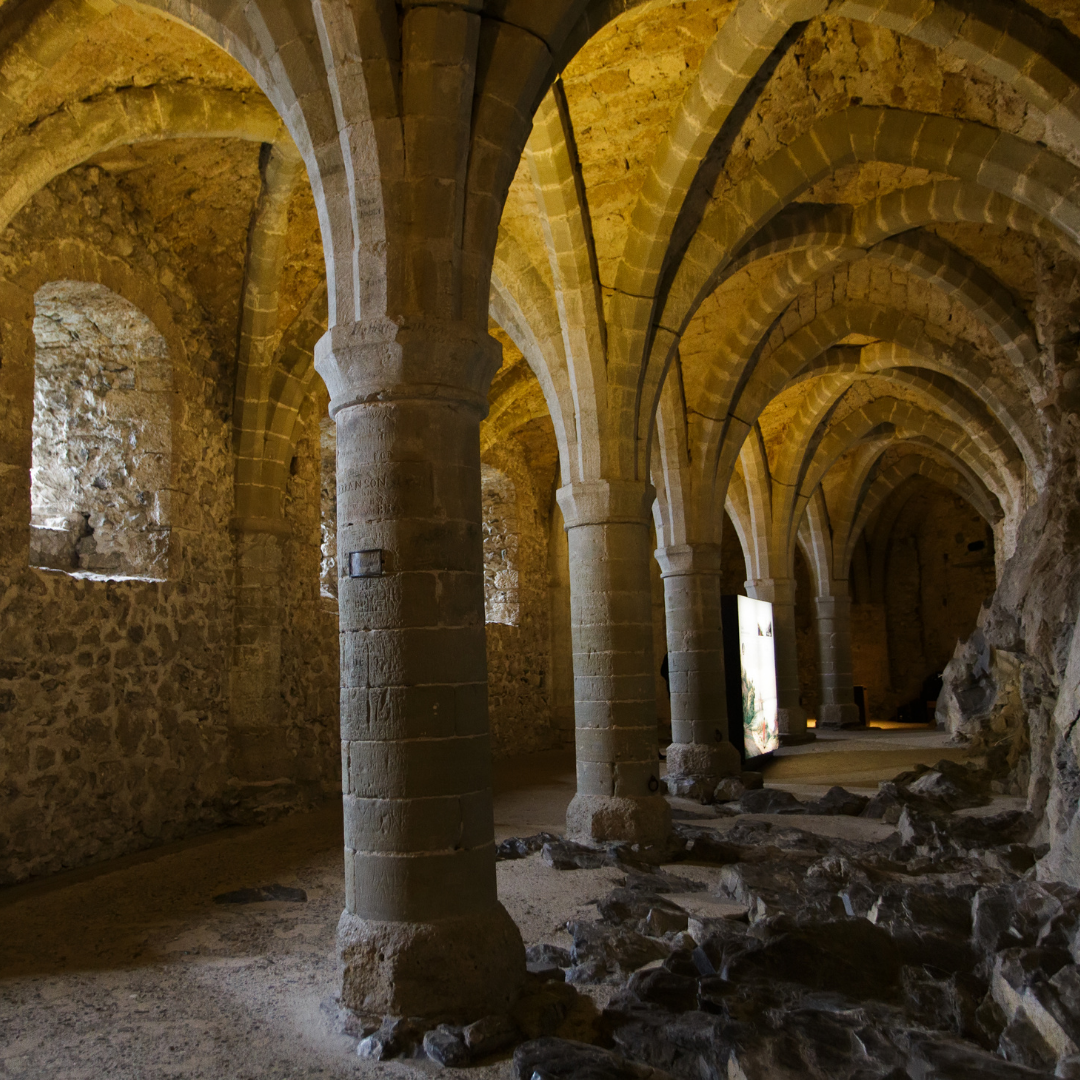
The thick stone walls were excellent for defence, yet they also made the rooms cold and dark. Fires kept some rooms warm, although smoke often drifted through the building. Glass windows were expensive, so many windows were small or covered with wooden shutters.
Even using the toilet was different. Some castles had small toilets called garderobes, built into the walls. Waste simply fell down a long chute outside the castle.
Built to keep people safe
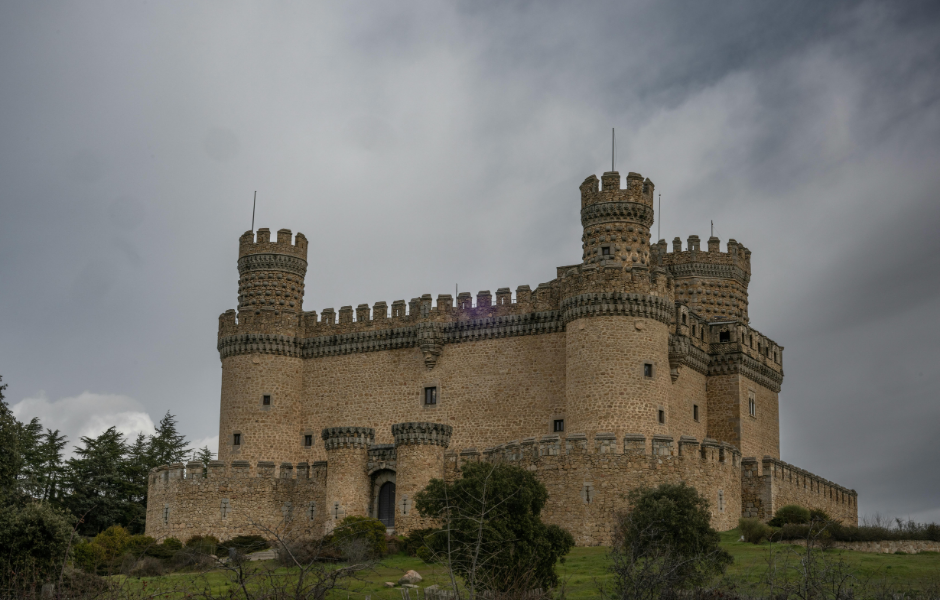
Every castle was different, but many had strong gates, tall towers and high walls. Some castles were surrounded by a moat filled with water, although plenty were not.
Small openings called arrow slits allowed archers to fire arrows while staying protected behind the walls. Many spiral staircases turned clockwise, making it more difficult for attackers carrying swords to fight as they climbed.
More than battles and banquets
Films often show castles full of battles, knights and enormous feasts. Those exciting events did happen, but they were not part of everyday life.
Most days were filled with cooking, cleaning, repairing buildings, caring for animals, learning new skills and working together. A medieval castle was like a small village protected by strong stone walls.
Many castles are still standing today. Walking through one is a wonderful way to imagine what life was like hundreds of years ago.
If you would like to learn more about medieval castles, the English Heritage website has information about castles, their history and the people who lived in them.
Article vocabulary list
- Medieval: Relating to the Middle Ages, about 500 to 1500 years ago.
- Lord: A powerful person who owned land and often lived in a castle.
- Armour: Metal clothing worn to protect a soldier or knight in battle.
- Defence: Protecting people or places from danger or attack.
- Moat: A deep ditch, sometimes filled with water, around a castle.
- Archer: A person who shoots arrows using a bow.
- Banquet: A large and special meal with many dishes.
- Garderobe: A medieval toilet built into the wall of a castle.
Comprehension questions
Just click the plus (+) to see the answer
1. Who usually lived in medieval castles?
a) Only kings and queens
b) Lords, ladies and many other people who worked there
c) Only soldiers
Answer: b) Lords, ladies and many other people who worked there
2. What job did blacksmiths do?
a) They baked bread.
b) They repaired tools, horseshoes and armour.
c) They guarded the castle gate.
Answer: b) They repaired tools, horseshoes and armour.
3. Why were many castle rooms cold and dark?
a) The walls were thick and the windows were small.
b) Nobody lit fires.
c) Castles were built underground.
Answer: a) The walls were thick and the windows were small.
4. What was a garderobe?
a) A tower
b) A medieval toilet
c) A secret tunnel
Answer: b) A medieval toilet
5. What was the purpose of arrow slits?
a) To let fresh air into the castle
b) To help archers defend the castle while staying protected
c) To watch birds flying overhead
Answer: b) To help archers defend the castle while staying protected
6. Which sentence best describes everyday life in a medieval castle?
a) Every day was filled with battles and huge feasts.
b) Most days were spent working, learning and looking after the castle.
c) Nobody worked because knights did everything.
Answer: b) Most days were spent working, learning and looking after the castle.

Sinead is a writer and EFL teacher with eight years’ experience. She’s a native English speaker who loves making news stories fun and easy to understand for children around the world. Her passions include travel, animals, and helping to make the world a kinder, more sustainable place.