This children’s article, What is salsa dancing?, has been written for native English speakers and learners of English as a second or foreign language. It will help you practise reading and comprehension while discovering how salsa began, why it is so popular and what makes it such an exciting dance. Written by Sinead O’Carroll, an experienced teacher and writer.
What is salsa dancing?
When the music begins to play, someone claps along to the beat, and before long the whole room is moving. Feet step forwards and backwards. Partners spin, smile and laugh. It almost looks like everyone is speaking the same language without saying a single word.
Welcome to the colourful world of salsa dancing.
Salsa is a lively dance enjoyed by millions of people around the world. Some people dance at parties, others take lessons every week, and some even compete in exciting dance competitions. The most important thing is enjoying the music and having fun.
A dance with a fascinating history
Salsa did not appear overnight. It grew over many years as different styles of music and dance came together.
Many of its roots can be traced to Cuba, where African and European traditions mixed to create energetic new rhythms. Later, musicians carried these exciting sounds to New York City, where salsa became even more popular during the 1960s and 1970s.
The word salsa means “sauce” in Spanish. That is a clever name because, just like a tasty sauce, salsa is made by mixing lots of different ingredients together.
Dancing to the beat
Most people begin by learning a few simple steps. It can feel a little tricky at first, especially when the music is fast. After a little practice, those steps begin to feel more natural.
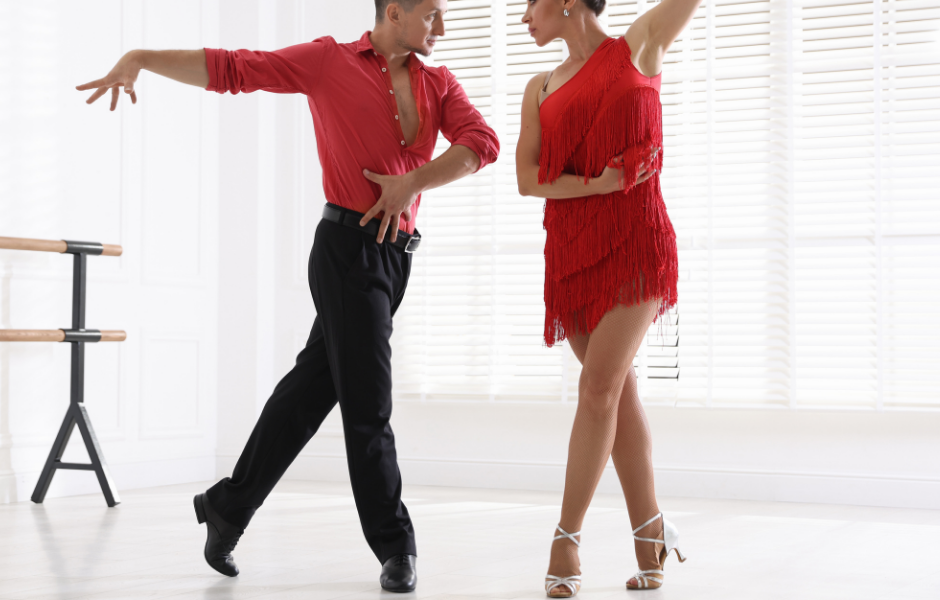
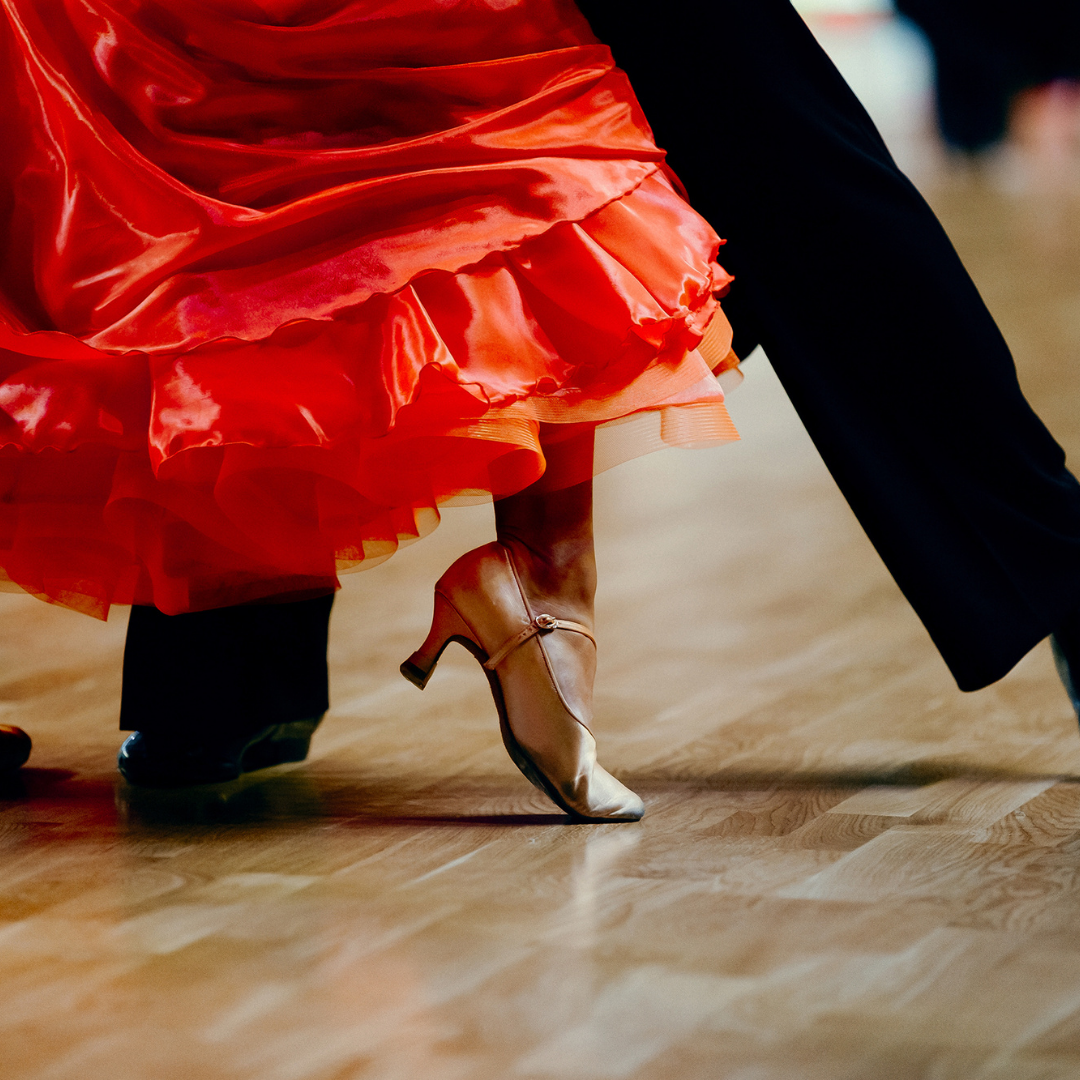
Salsa is usually danced with a partner. One person gently leads while the other follows. Both dancers listen carefully to the rhythm and move together. Watching experienced dancers can be amazing. They glide across the floor, twirl around each other and seem to know exactly where to step next.
Why do so many people love salsa?
Salsa is much more than a dance. It is a chance to meet new people, enjoy great music and build confidence.
People of all ages dance salsa, including children. Dancing helps improve balance, coordination and memory, while giving your body plenty of exercise at the same time. Many people are so busy having fun that they forget they are exercising at all.
Today, salsa is danced in countries all over the world. You might find a class at a local community centre, a lively festival in a city square or a group of friends dancing together in a park.
Next time you hear upbeat music with a strong rhythm, you might even feel like taking your very first salsa step.
If you would like to learn even more about the history of Salsa you can here – The Roots of Salsa Dance.
Article vocabulary list
- Rhythm: The pattern of beats in music.
- Traditions: Customs and ways of doing things that are passed down over time.
- Competition: An event where people try to do their best and may win prizes.
- Confidence: Believing in yourself and your abilities.
- Coordination: Being able to move different parts of your body smoothly together.
- Glide: To move smoothly and gracefully.
- Community centre: A place where local people meet for activities, classes and events.
Comprehension questions
Just click the plus (+) to see the answer
1. Where did many of salsa’s musical roots begin?
a) Spain
b) Cuba
c) Canada
Answer: b) Cuba
2. What does the word “salsa” mean in Spanish?
a) Song
b) Party
c) Sauce
Answer: c) Sauce
3. What do beginners usually learn first?
a) Simple steps
b) Fancy jumps
c) Acrobatic tricks
Answer: a) Simple steps
4. What should salsa dancers listen to while they dance?
a) The weather
b) The rhythm of the music
c) The audience
Answer: b) The rhythm of the music
5. Which of these is one benefit of salsa dancing mentioned in the article?
a) It helps people remember every song.
b) It can improve balance and coordination.
c) It makes people run faster.
Answer: b) It can improve balance and coordination.
6. What is the main message of the article?
a) Salsa is only for expert dancers.
b) Salsa is a fun dance that people of many ages can enjoy.
c) Salsa is only danced in Cuba.
Answer: b) Salsa is a fun dance that people of many ages can enjoy.

Sinead is a writer and EFL teacher with eight years’ experience. She’s a native English speaker who loves making news stories fun and easy to understand for children around the world. Her passions include travel, animals, and helping to make the world a kinder, more sustainable place.