This children’s article, London Climate Action Week ends as record heat highlights climate challenge, has been written for native English speakers and learners of English as a second or foreign language. It can help children practise reading and comprehension, learn useful climate vocabulary, and discover why thousands of people from around the world have been meeting in London to discuss climate action. Written by Sinead O’Carroll, an experienced teacher and writer.
A busy week for the planet
London Climate Action Week is coming to an end on 28 June after welcoming tens of thousands of visitors from around the world. This year’s event included more than 1,300 talks, workshops, exhibitions and community activities, making it the biggest London Climate Action Week so far.
People travelled from many different countries to share ideas about protecting the environment and preparing for a changing climate. Scientists, teachers, business leaders, charities, young people and local communities all took part.
What is Climate Action Week?
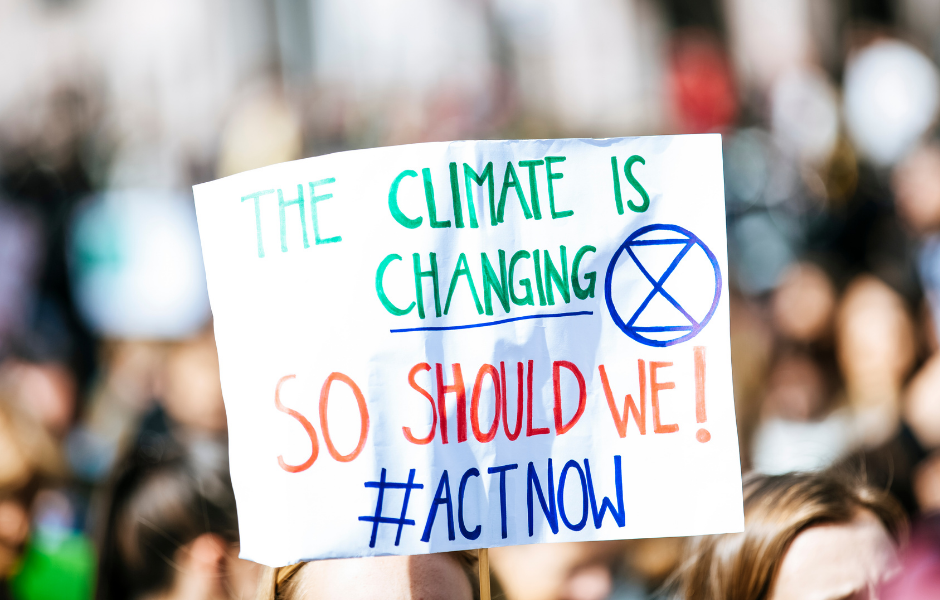
Climate Action Weeks are held in cities all around the world. They bring people together to learn about climate change and find practical ways to care for the planet. Although each event is different, they all include public talks about clean energy and how to protect the future of our planet.
London’s event is one of the world’s largest alongside New York’s. Many of the ideas shared during the week are designed to help not only locals but also communities across the globe.
The weather became part of the story
This year’s event was unusual because London experienced an intense spell of hot weather during the week. Temperatures climbed to some of the highest June levels ever recorded in England.
The heat became so severe that one discussion about extreme heat had to be cancelled because the building was too hot for people to meet safely. Many visitors said the weather was a powerful reminder that climate change is not only something people may face in the future. It is already affecting lives today.
Looking for solutions together
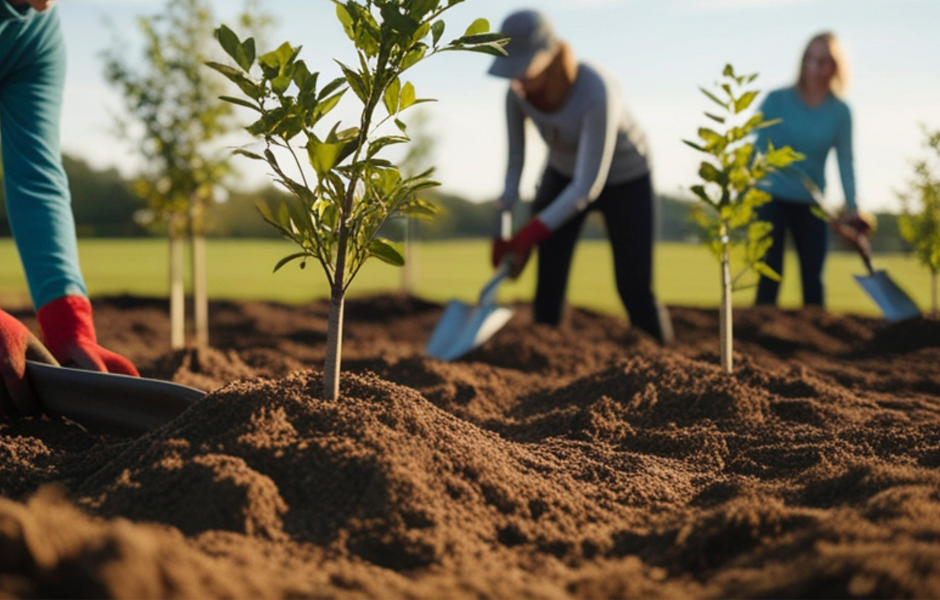
Many of the week’s discussions focused on making cities cooler and greener. Experts spoke about planting more trees, creating parks that help reduce heat, using cleaner energy and making buildings better prepared for hotter summers. Other sessions explored ways to protect wildlife and reduce pollution.
Children and young people also took part in special events and workshops. Organisers believe that young people will play an important part in creating new ideas for the future.
Looking for solutions together
Although climate conferences may sound like events only for experts, everyone can help. Walking or cycling instead of travelling by car, reducing waste, saving energy and looking after local green spaces are all examples of climate action.
As London Climate Action Week finishes, organisers hope that the conversations started this week will inspire people everywhere to take small steps that can make a big difference over time.
Advanced readers can find out more about London Climate Action Week on its official website: London Climate Action Week.
Article vocabulary list
- Climate action: Steps people take to help protect the planet and reduce climate change.
- Community: A group of people who live or work together.
- Environment: The natural world around us.
- Exhibition: A public display where people can learn about a topic.
- Organiser: A person or group that plans an event.
- Pollution: Harmful substances that make the air, water or land dirty.
- Practical: Useful and able to be used in everyday life.
- Workshop: A session where people learn by taking part in activities.
Comprehension questions
Just click the plus (+) to see the answer
1. When does London Climate Action Week end this year?
a) 20 June
b) 28 June
c) 30 June
Answer: b) 28 June
2. About how many events took place during London Climate Action Week?
a) More than 130
b) More than 1,300
c) More than 13,000
Answer: b) More than 1,300
3. Why was this year’s event unusual?
a) It snowed during the week.
b) London experienced very hot weather.
c) Nobody attended the talks.
Answer: b) London experienced very hot weather.
4. What happened because of the heat?
a) A discussion about extreme heat had to be cancelled.
b) The event moved to another country.
c) All outdoor events finished early.
Answer: a) A discussion about extreme heat had to be cancelled.
5. Name one idea people discussed to help tackle climate change.
Example answer: Planting more trees, using cleaner energy, creating greener cities or reducing pollution.
6. What is one example of climate action that children and families can do?
Example answer: Walk or cycle instead of using a car, save energy at home or reduce waste.

Sinead is a writer and EFL teacher with eight years’ experience. She’s a native English speaker who loves making news stories fun and easy to understand for children around the world. Her passions include travel, animals, and helping to make the world a kinder, more sustainable place.