This children’s article, The dark side of the Moon explained for kids: What’s over there?, has been written for native English speakers and learners of English as a second or foreign language. It can help children practise reading and comprehension, learn useful vocabulary, and explore one of the most fascinating parts of space. Written by Mark Pulley, a teacher and writer who creates fun and informative news articles for English learners.
What is the “dark side” of the Moon?
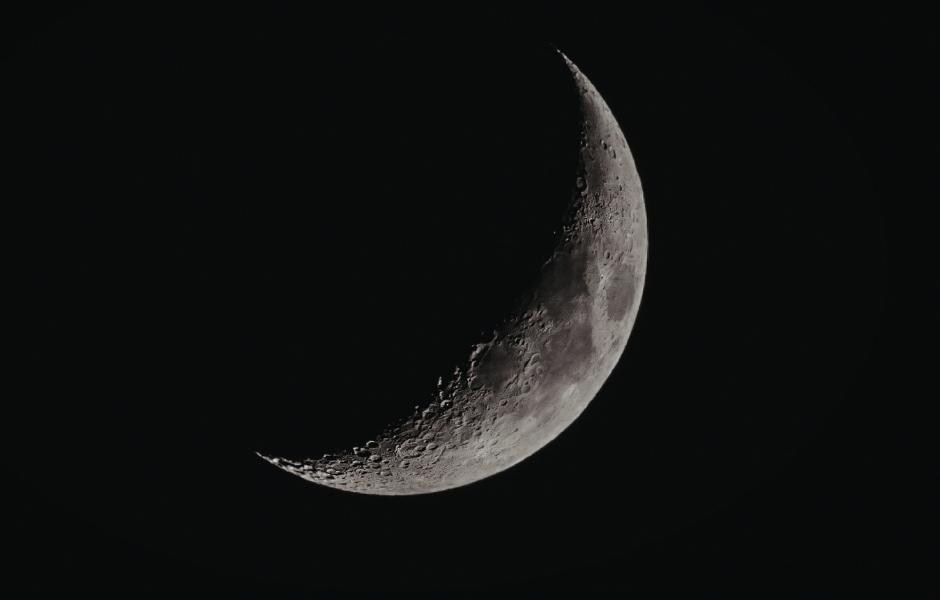
The “dark side” of the Moon does not actually mean it is always dark. It simply means the side of the Moon that we cannot see from Earth. The Moon rotates at the same speed at which it orbits Earth. This means the same side always faces us, while the other side stays hidden from view.
It’s often also called the “far side” of the moon, because technically, it’s not always dark; it’s just that we can’t ever see it from Earth.
Why have humans only recently explored it?
Although humans landed on the moon back in 1969, it wasn’t until the Artemis II mission in April 2006 that humans finally saw the far side of the Moon.
The first images of the far side were taken by spacecraft in the 20th century, but no humans travelled there during the early Moon landings. This was because it was very difficult to communicate with astronauts while they were on the far side.
The latest Artemis mission
NASA’s Artemis programme is the next big step in human space exploration. The most recent missions are designed to return astronauts to the Moon for the first time since the Apollo missions ended in 1972.
Artemis II sent astronauts around the Moon in April 2026, while Artemis III aims to land humans on the lunar surface again in 2027.
One exciting goal of Artemis III is to explore areas near the Moon’s south pole, which is closer to the far side. Scientists believe there may be frozen water in this region, hidden in deep, shadowy craters. This water could be very useful for future missions, as it might be turned into drinking water, oxygen or even fuel.
What else do scientists hope to learn?
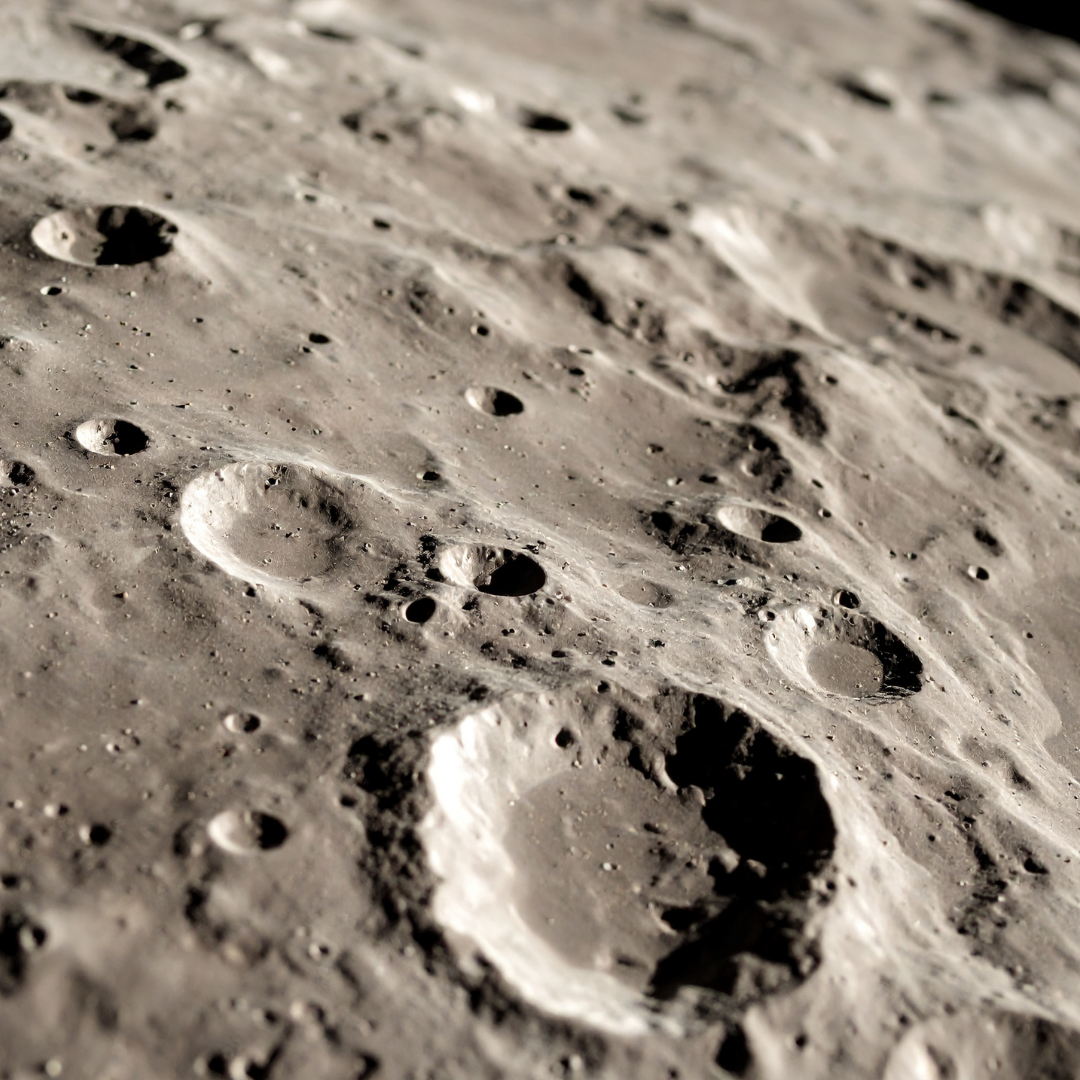
Scientists are very interested in the far side of the Moon because it is quite different from the side we see. It has more craters and fewer flat areas. Studying these features can help scientists learn about the history of the Moon and how it formed.
The far side is also quieter in terms of radio signals from Earth. This makes it a great place to study space and listen for signals from far away in the universe.
If you’d like to learn more about our space, why not start with this guide to our galaxy the Milky Way.
Article vocabulary list
- Far side: The side of the Moon that cannot be seen from Earth.
- Orbit: The path an object takes as it moves around another object.
- Rotate: To spin around a centre point.
- Crater: A large hole on the surface of a planet or Moon.
- Satellite: An object that moves around a planet.
- Astronaut: A person who travels into space.
- Signal: A message sent using waves, such as radio waves.
- Technology: Tools and machines made using scientific knowledge.
Comprehension questions
Just click the plus (+) to see the answer
1. What does the “dark side” of the Moon really mean?
a) The side with no light
b) The side we cannot see from Earth
c) The coldest part of the Moon
Answer: b) The side we cannot see from Earth
2. Why do we always see the same side of the Moon?
a) It does not move
b) It spins faster than Earth
c) It rotates at the same speed it orbits Earth
Answer: c) It rotates at the same speed it orbits Earth
3. What is another name for the dark side?
a) The bright side
b) The far side
c) The night side
Answer: b) The far side
4. What is special about the far side for studying space?
a) It is warmer
b) It is closer to the Sun
c) It has fewer radio signals from Earth
Answer: c) It has fewer radio signals from Earth
5. How long does it take the Moon to orbit Earth?
a) 7 days
b) 27 days
c) 365 days
Answer: b) 27 days

Mark is a writer and EFL teacher from England with eight years’ experience. He’s passionate about travel, sport (especially football), animals, nature, and history, and enjoys helping children explore the world through language and learning.