This children’s article, The spring equinox explained for kids: When day and night are equal, has been written for native English speakers and learners of English as a second or foreign language. It can help children practise reading and comprehension, learn useful vocabulary, and explore an important event in Earth’s yearly cycle. Written by Mark Pulley, a teacher and writer who creates fun and informative news articles for English learners.
What is the spring equinox?
The spring equinox is the moment when day and night are almost the same length. In the Northern Hemisphere, it usually happens on the 20th or 21st of March each year.
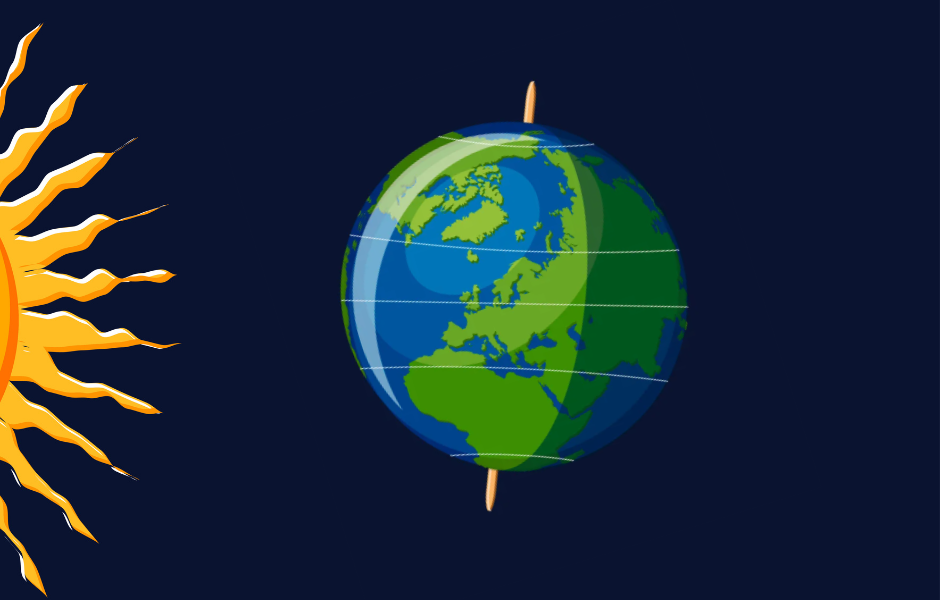
This happens because the Earth is tilted as it orbits the Sun. During the equinox, the Sun is directly above the Earth’s equator, so both halves of the planet receive equal sunlight.
For people in the Northern Hemisphere, the spring equinox marks the beginning of spring. Days start to get longer, and the weather often warms up.
Equinoxes around the world
There are two equinoxes every year. The spring equinox happens in March, and the autumn equinox happens in September.
At the same time that the Northern Hemisphere is enjoying the start of spring, the Southern Hemisphere is experiencing the autumn equinox. This means countries there are moving into cooler seasons.
So while some people are seeing flowers bloom, others are watching leaves fall from trees.
Why does it happen?
The Earth is tilted at an angle of 23.5 degrees. As it travels around the Sun, different parts of the Earth receive more or less sunlight at different times of the year.
During the equinox, the tilt is not pointing towards or away from the Sun. This is why both day and night are nearly equal.
After the spring equinox, the Northern Hemisphere begins to tilt more towards the Sun. This leads to longer days, reaching their peak at the summer solstice in late June.
Celebrations and interesting facts
People around the world have marked the equinox for thousands of years. In some cultures, it is seen as a time of balance, renewal and new beginnings.
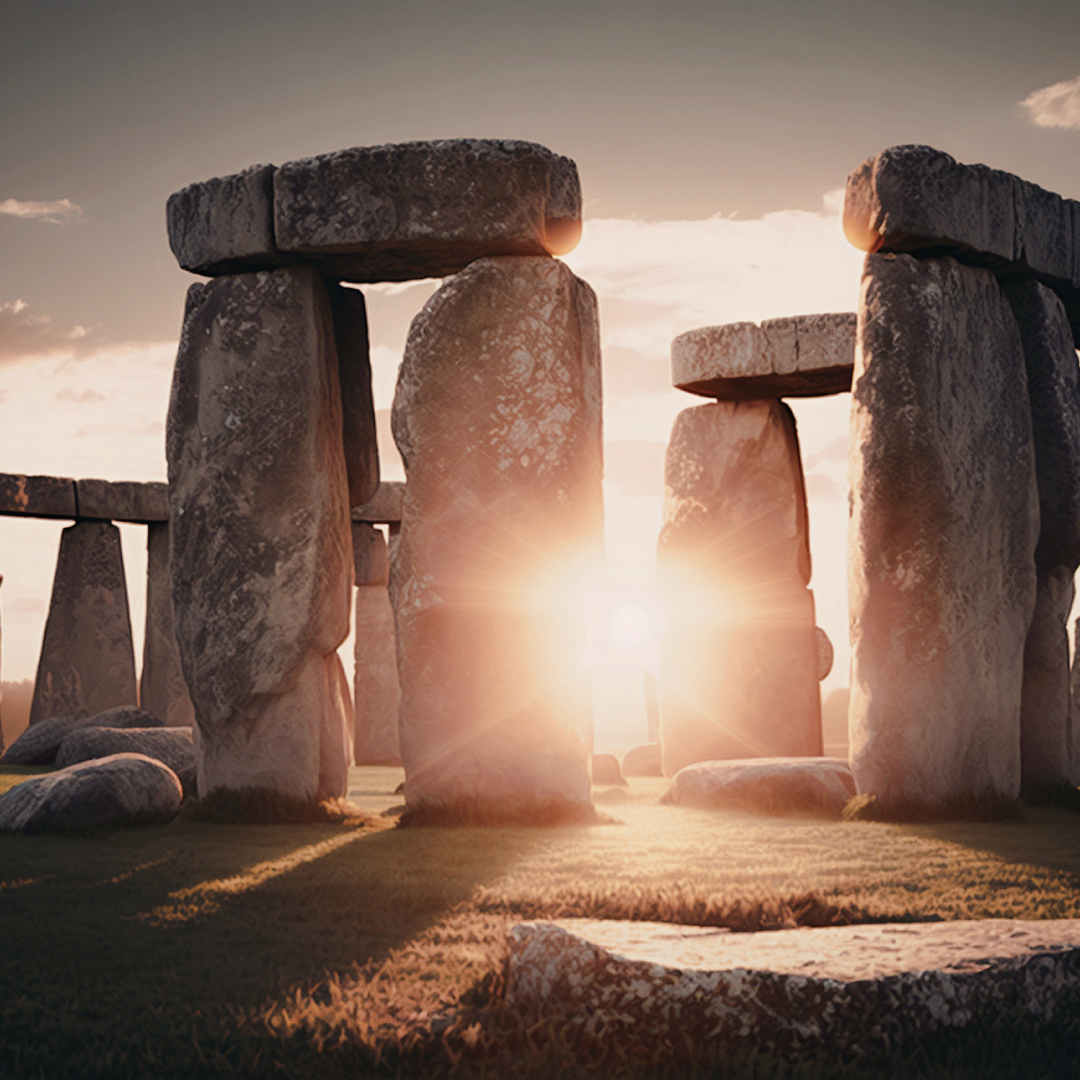
Ancient monuments such as Stonehenge in England and Chichén Itzá in Mexico are aligned with the Sun during the equinox.
In countries like Iran, the spring equinox marks the New Year festival called Nowruz. Families celebrate with food, traditions and time together.
Article vocabulary list
- Equinox: The time when day and night are nearly equal in length.
- Hemisphere: Half of the Earth.
- Orbit: The path the Earth takes as it moves around the Sun.
- Equator: An imaginary line around the middle of the Earth.
- Tilt: When something is slanted or leaning to one side.
- Season: A time of year with certain weather conditions.
- Renewal: A fresh start or beginning again.
Comprehension questions
Just click the plus (+) to see the answer
1. What happens during the spring equinox?
a) The longest day of the year
b) Day and night are nearly equal
c) It rains all day
Answer: b) Day and night are nearly equal
2. When does the spring equinox occur?
a) December
b) June
c) March
Answer: c) March
3. How many equinoxes are there each year?
a) One
b) Two
c) Four
Answer: b) Two
4. What is happening in the Southern Hemisphere at the same time?
a) Spring is beginning
b) Autumn is beginning
c) Summer is ending
Answer: b) Autumn is beginning
5. Which festival is linked to the spring equinox in Iran?
a) Diwali
b) Christmas
c) Nowruz
Answer: c) Nowruz

Mark is a writer and EFL teacher from England with eight years’ experience. He’s passionate about travel, sport (especially football), animals, nature, and history, and enjoys helping children explore the world through language and learning.