This children’s article, Electric cars vs petrol cars: how do they really work?, has been written for native English speakers and learners of English as a second or foreign language. It can help children practise reading and comprehension, learn useful vocabulary, and explore how different types of cars work and affect the world around us. Written by Sinead O’Carroll, an experienced teacher and writer.
A quiet car at the traffic lights
Imagine standing at a busy road. One car stops at the traffic lights, rumbling and puffing out warm air. Another car pulls up beside it, almost silent, like it is holding its breath. These two cars look similar, but they work in very different ways.
One is a petrol or diesel car. The other is an electric car.
Cars help people travel to school, work, shops, holidays, wherever they need to go. The way they are powered can make a big difference to the air we breathe and the noise we hear.
How petrol and diesel cars work
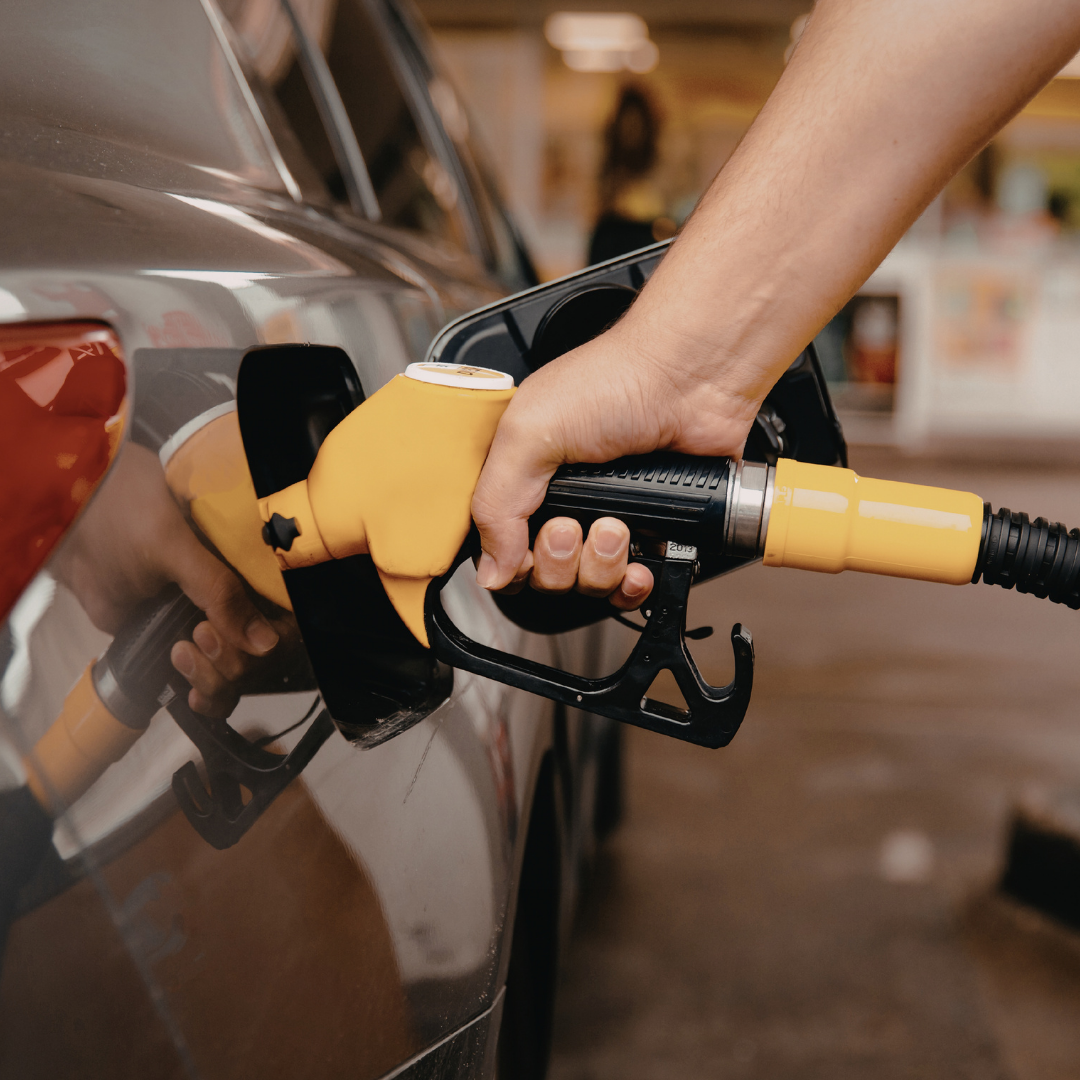
Petrol and diesel cars use fuel made from oil taken from deep underground. When the driver presses the pedal, the engine burns the fuel to make power. This power turns the wheels and moves the car forward.
Burning fuel creates exhaust gases. These gases come out of the back of the car and mix with the air around us. In busy towns and cities, many cars together can make the air dirtier and noisier.
Petrol and diesel cars have been around for a long time. Most roads, fuel stations, and repair shops are designed for them.
How electric cars work
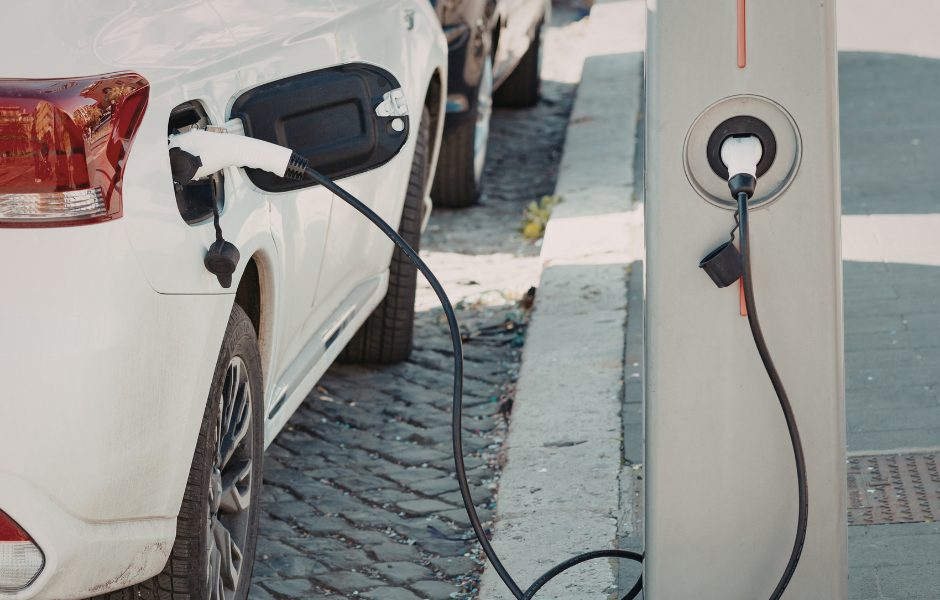
Electric cars work in a different way. Instead of burning fuel, they use electricity stored in a large battery. When the car moves, electricity powers a motor that turns the wheels.
Electric cars do not produce exhaust gases while driving. Many of them make very little noise, especially at low speeds. This can make streets feel calmer, particularly near homes and schools.
Electric cars need to be charged. Some drivers plug them in at home overnight, while others use public charging points.
Which type of car is better for the planet?
Petrol and diesel cars release gases that add to air pollution and climate change. Electric cars do not release these gases while driving, which is why many people see them as a cleaner choice.
Electricity still has to come from somewhere. In some places, it is made using wind, sun, or water, while in other places it is made by burning fuel. As more clean energy is used, electric cars become even better for the planet.
Many countries are encouraging people to choose electric cars as part of a bigger plan to protect the environment.
Choosing the cars of the future
Some families already drive electric cars. Others still use petrol or diesel cars and may change in the future. Car makers are working on new designs that can travel further, charge faster, and cost less.
For readers who want to learn more, here’s an interesting news article to read – EVs explained: How do electric cars work and are they really better than petrol or diesel cars?
Article vocabulary list
- Electric car: A car that uses electricity stored in a battery instead of fuel.
- Petrol: A fuel made from oil that powers many cars.
- Diesel: A type of fuel similar to petrol, often used by larger vehicles.
- Battery: A device that stores electricity for later use.
- Exhaust gases: Gases released from a car when fuel is burned.
- Pollution: Harmful substances that make air, water, or land dirty.
- Climate change: Long-term changes in Earth’s weather and temperatures.
- Charging point: A place where an electric car can be plugged in to get electricity.
Comprehension questions
Just click the plus (+) to see the answer
1. What sound does an electric car often make at low speeds?
a) A loud rumble
b) Almost no sound
c) A whistling noise
Answer: b) Almost no sound
2. What do petrol and diesel cars burn to make power?
a) Electricity
b) Water
c) Fuel
Answer: c) Fuel
3. Where is the energy stored in an electric car?
Answer: In a battery
4. Why can petrol and diesel cars make city air dirtier?
Answer: They release exhaust gases
5. What does an electric car need instead of a fuel station?
a) A water pump
b) A charging point
c) A garage
Answer: b) A charging point
6. Why do electric cars become better for the planet when clean energy is used?
Answer: Clean energy does not create pollution when making electricity

Sinead is a writer and EFL teacher with eight years’ experience. She’s a native English speaker who loves making news stories fun and easy to understand for children around the world. Her passions include travel, animals, and helping to make the world a kinder, more sustainable place.