This children’s article, A kids’ guide to Spices from around the world, has been written for native English speakers and learners of English as a second or foreign language. It can help children practise reading and comprehension, learn useful food and geography vocabulary, and explore where spices come from and how people use them in different countries. Written by Sinead O’Carroll, an experienced teacher and writer.
Spices, herbs, and a kitchen cupboard mystery
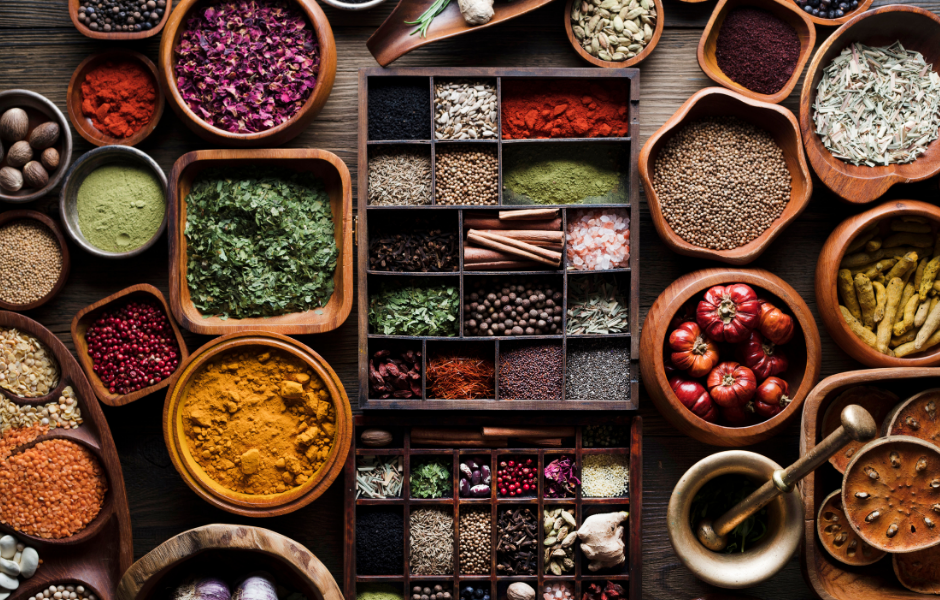
Open a kitchen cupboard and you might find little jars filled with colourful powders, seeds, bark, and dried roots. These are spices. Spices are parts of plants that are used to flavour food.
Dried leaves are different, they are herbs. Herbs come from the leaves of plants, such as basil, mint, or oregano. Herbs can be fresh or dried, yet they are still herbs.
This is where it gets interesting. One plant can give you both a herb and a spice. Coriander leaves are an herb. Coriander seeds are a spice.
Where do spices come from?
Many spices grow best in warm places with plenty of sunshine and rain. Farmers pick them, dry them carefully, and send them to shops around the world.
Black pepper comes from dried peppercorns, which are the fruit of a climbing vine. Cinnamon comes from the inner bark of a tree. Ginger and turmeric grow underground and are peeled and dried or ground into powder. Cloves are dried flower buds. Saffron is made from tiny threads inside a purple crocus flower.
Each spice starts life as something you might not expect.
Why did people travel so far for spices?
Hundreds of years ago, spices were rare in many parts of Europe. People wanted them to make food taste better, especially in winter. Spices were also used in medicines and perfumes.
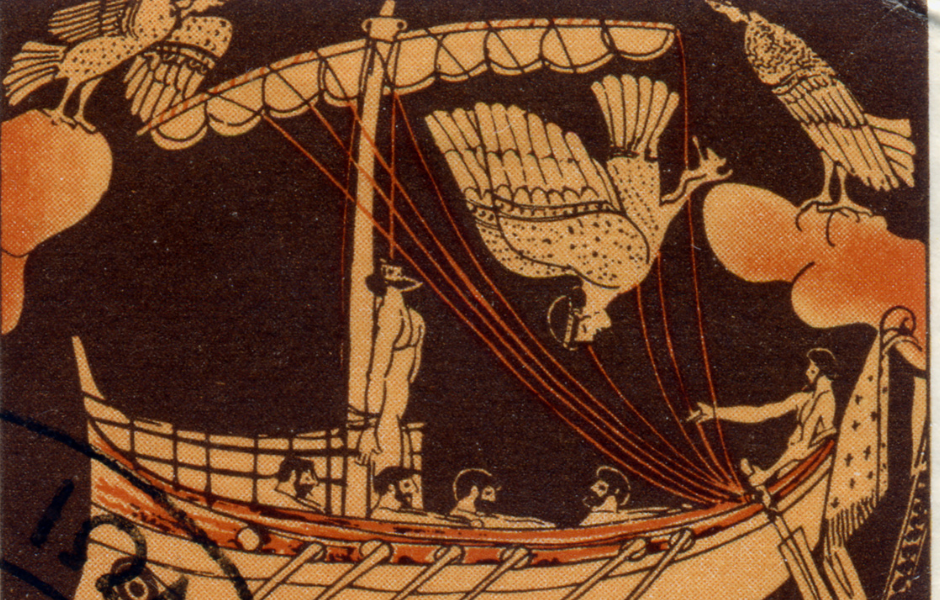
Spices were so valuable that traders carried them across deserts and oceans. Ships sailed for months to bring pepper, cinnamon, and cloves to faraway ports. Some people even called pepper “black gold” because it was worth so much.
How spices show up in food today
Spices help make familiar dishes taste like they belong to a place. Cumin and turmeric are common in many Indian dishes. Chilli is popular in Mexico and many other countries. Cinnamon is used in both sweet puddings and savoury meals in different parts of the world. Ginger can taste warm and spicy in biscuits, tea, and soups.
One dinner can include flavours from several continents without leaving home.
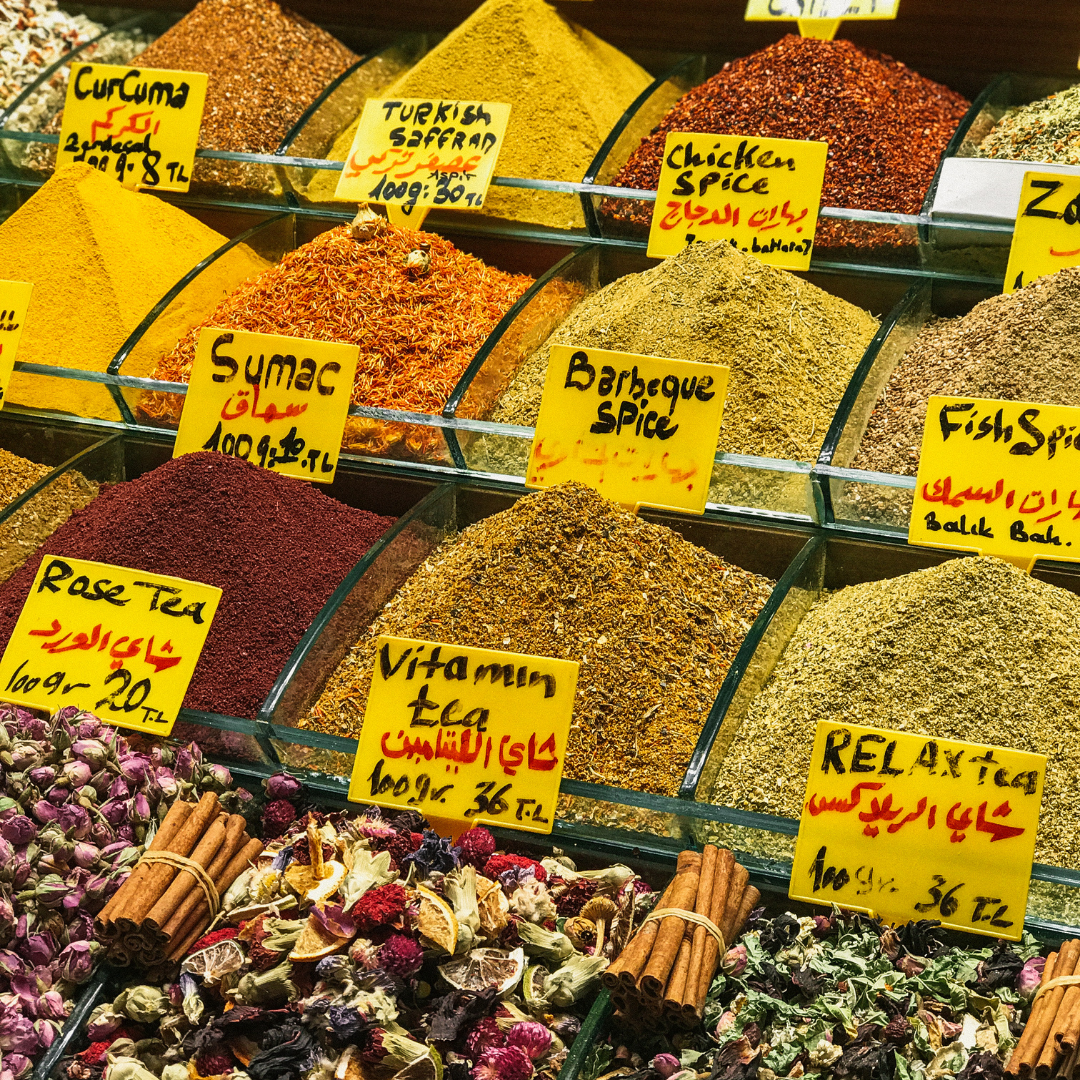
Imagine a spice market
Picture a market where tall sacks of bright red paprika stand next to golden turmeric. Whole cinnamon sticks curl like little scrolls. Peppercorns rattle as they are scooped into a bag. The air smells smoky, sweet, and spicy at the same time.
A spice market feels like a world map you can smell.
For extra reading about spice plants and their stories, you can explore: Basic knowledge of spices and herbs
Article vocabulary list
- Spice: A part of a plant, such as a seed, bark, root, or bud, used to flavour food.
- Herb: The leafy part of a plant used in cooking, fresh or dried.
- Bark: The outer covering of a tree.
- Bud: A small part of a plant that can grow into a flower.
- Port: A place where ships load and unload goods.
- Trader: A person who buys and sells goods.
- Rare: Hard to find.
- Rattle: To make a quick shaking sound.
Comprehension questions
Just click the plus (+) to see the answer
1. 1. Which plant part is a herb made from?
a) Leaves
b) Bark
c) Roots
Answer: a) Leaves
2. Which of these is a spice in the article?
a) Basil
b) Cinnamon
c) Mint
Answer: b) Cinnamon
3. What is cinnamon made from?
a) The inner bark of a tree
b) The leaves of a plant
c) The juice of a fruit
Answer: a) The inner bark of a tree
4. What are cloves?
a) Dried flower buds
b) Dried leaves
c) Dried seaweed
Answer: a) Dried flower buds
5. What does the article say coriander can be?
a) Only a herb
b) Only a spice
c) A herb and a spice, depending on the part
Answer: c) A herb and a spice, depending on the part
6. Why did people travel far for spices in the past?
a) Spices were rare and valuable
b) Spices could build ships
c) Spices could change the weather
Answer: a) Spices were rare and valuable

Sinead is a writer and EFL teacher with eight years’ experience. She’s a native English speaker who loves making news stories fun and easy to understand for children around the world. Her passions include travel, animals, and helping to make the world a kinder, more sustainable place.