This children’s article, The winter solstice: why this week has the shortest day of the year in the Northern Hemisphere, has been written for native English speakers and learners of English as a second or foreign language. It can help children practise reading and comprehension, learn useful vocabulary, and explore a natural event that happens every year and is taking place this week. Written by Sinead O’Carroll, an experienced English teacher and writer.
A special moment in the year
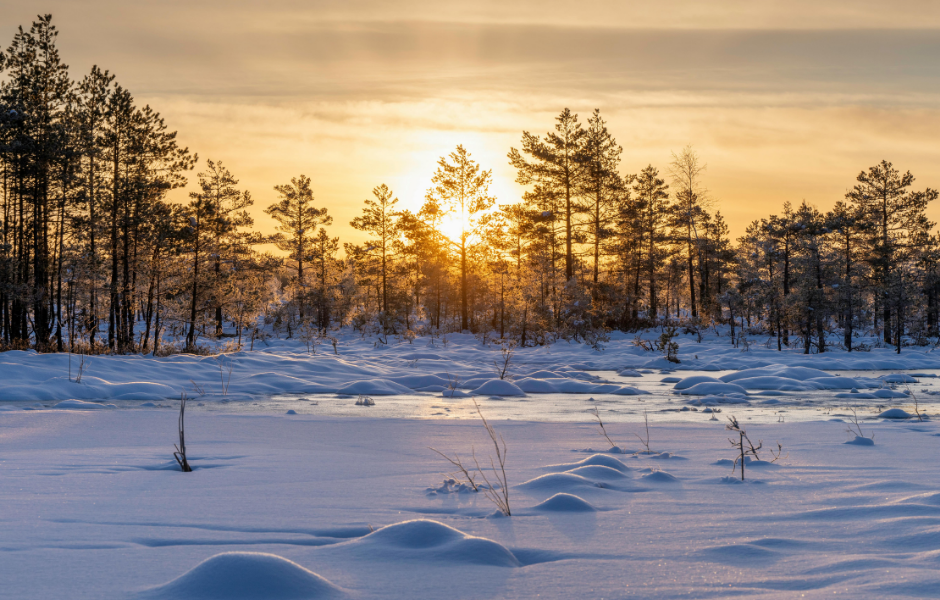
This week, the Earth reaches an important turning point. The winter solstice is taking place, bringing the shortest day and longest night of the year in the Northern Hemisphere. Many might notice the early sunsets and dark afternoons, without realising that there is a scientific reason behind them.
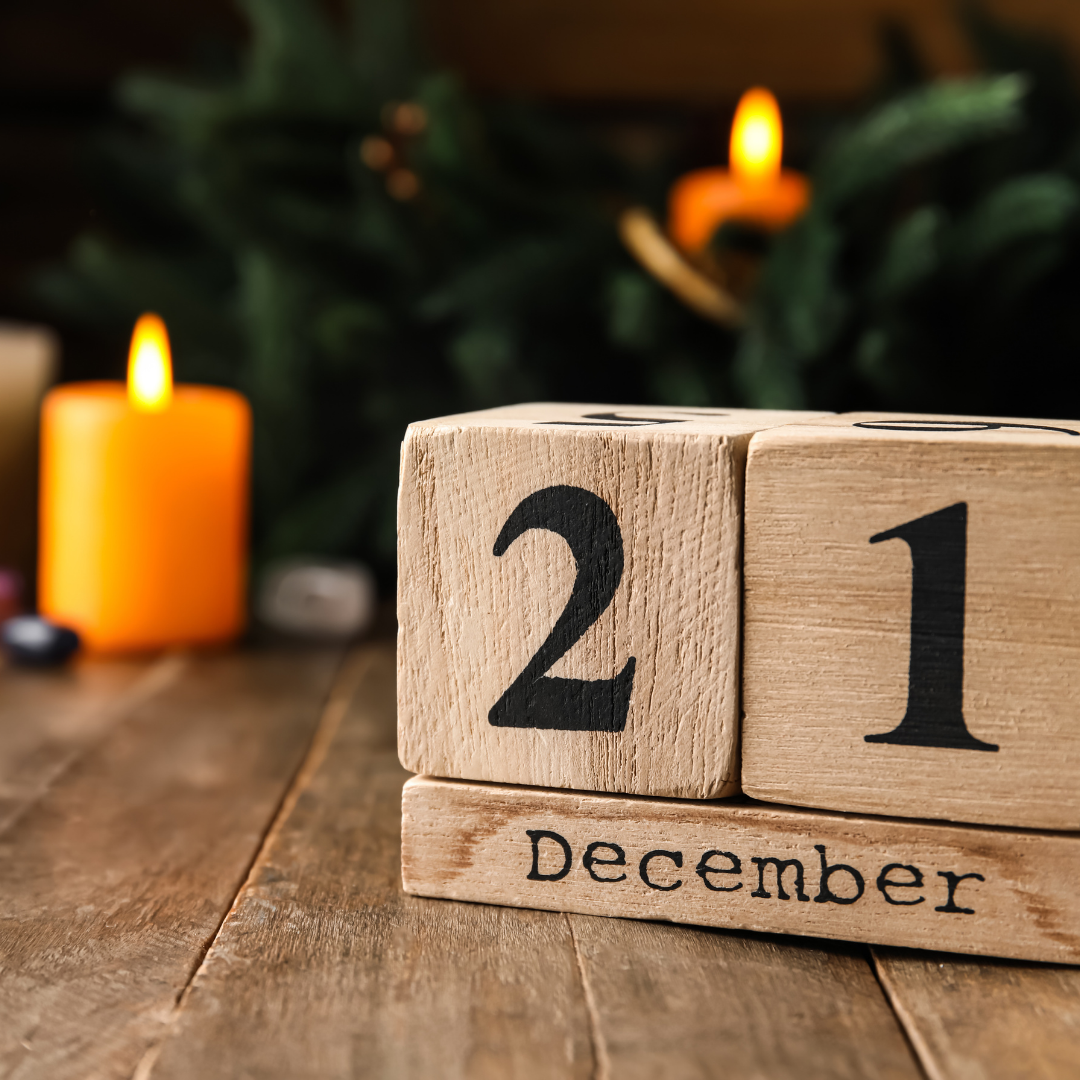
In 2025, the winter solstice happens on Sunday 21 December. It usually takes place around this date each year, although the exact timing can change slightly. After the solstice, daylight slowly begins to return, even if winter weather continues.
Why the winter solstice happens
The Earth does not stand upright as it travels around the Sun. It is tilted on its axis, which means different parts of the planet receive different amounts of sunlight during the year.
During the winter solstice in the Northern Hemisphere, this part of the Earth is tilted furthest away from the Sun. The Sun follows a lower path across the sky, creating fewer hours of daylight. At the same time, countries in the Southern Hemisphere experience their summer solstice, with the longest day of the year.
How people noticed the solstice long ago
Long before clocks and calendars existed, people carefully watched the Sun and the seasons. Ancient communities noticed patterns in daylight and shadows, helping them understand when winter was at its deepest point.
Some cultures built stone circles and markers that lined up with the Sun on solstice days. These helped people track the year and plan farming. For many communities, the solstice became a time to pause, rest, and look ahead to brighter days.
What the solstice means today
Today, scientists understand the solstice through astronomy, but it still matters. It reminds people that the seasons follow natural patterns and that change happens gradually.
For us, the solstice can be a chance to observe the world more closely. Noticing daylight, shadows, and temperature changes helps connect science lessons to everyday life.
One event, different experiences
The winter solstice is a global event, yet people experience it differently depending on where they live. Places closer to the Arctic Circle have very little daylight, while countries near the equator notice much smaller changes. In the Southern Hemisphere, the same moment brings long summer days and extra sunshine.
To learn more about how the solstice works, you can explore this explanation from Britannica.
Article vocabulary list
- Solstice: A time of year when daylight is at its shortest or longest.
- Hemisphere: One half of the Earth, either north or south.
- Axis: An imaginary line the Earth spins around.
- Tilted: Leaning to one side instead of straight.
- Daylight: Natural light from the Sun during the day.
- Ancient: From a very long time ago.
- Observation: Watching something carefully.
- Pattern: A regular way something happens again and again.
Comprehension questions
Just click the plus (+) to see the answer
1. What happens during the winter solstice in the Northern Hemisphere?
a) The longest day of the year
b) The shortest day of the year
c) The warmest day of the year
Answer: b) The shortest day of the year
2. Why does the winter solstice happen?
a) The Earth moves closer to the Sun
b) The Earth stops spinning
c) The Earth is tilted on its axis
Answer: c) The Earth is tilted on its axis
3. When does the winter solstice take place in 2025?
a) 1 January
b) 21 December
c) 31 October
Answer: b) 21 December
4. What happens after the winter solstice?
a) Winter ends immediately
b) Days slowly begin to get longer
c) The Sun disappears
Answer: b) Days slowly begin to get longer
5. What season is happening in the Southern Hemisphere at the same time?
a) Winter
b) Spring
c) Summer
Answer: c) Summer
6. Why did ancient people pay attention to the solstice?
a) To predict earthquakes
b) To plan farming and track the year
c) To measure time zones
Answer: b) To plan farming and track the year

Sinead is a writer and EFL teacher with eight years’ experience. She’s a native English speaker who loves making news stories fun and easy to understand for children around the world. Her passions include travel, animals, and helping to make the world a kinder, more sustainable place.